Introduction & Current Status
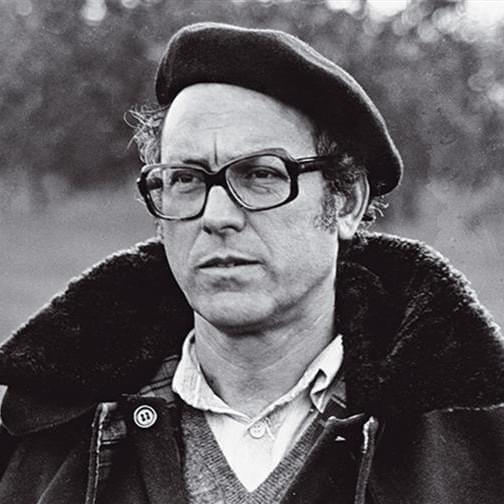
José Afonso, or Zeca Afonso as he's lovingly known, isn't just a name in Portuguese music; he's a cultural icon. Though he passed away in 1987, his songs are far from gathering dust. His music is constantly being rediscovered by new generations. His protest anthems still resonate deeply in Portugal and beyond.
Think of him as Portugal's Bob Dylan. His songs fueled a revolution. Even today, artists sample his work, politicians quote him, and students blast his tracks. Zeca's impact? Undeniable. He's the OG voice of resistance.
Early Life & Background
Born in Aveiro, Portugal, in 1929, José Afonso's early life was anything but ordinary. He spent parts of his childhood in Portuguese Angola and Mozambique due to his father's work as a judge. These experiences exposed him to diverse cultures and social realities.
Back in Portugal, he navigated a strict, conservative society under the Salazar dictatorship. His family fostered a love for literature and music. Young Zeca soaked it all up, learning about the world and the power of storytelling through song.
Career Beginnings
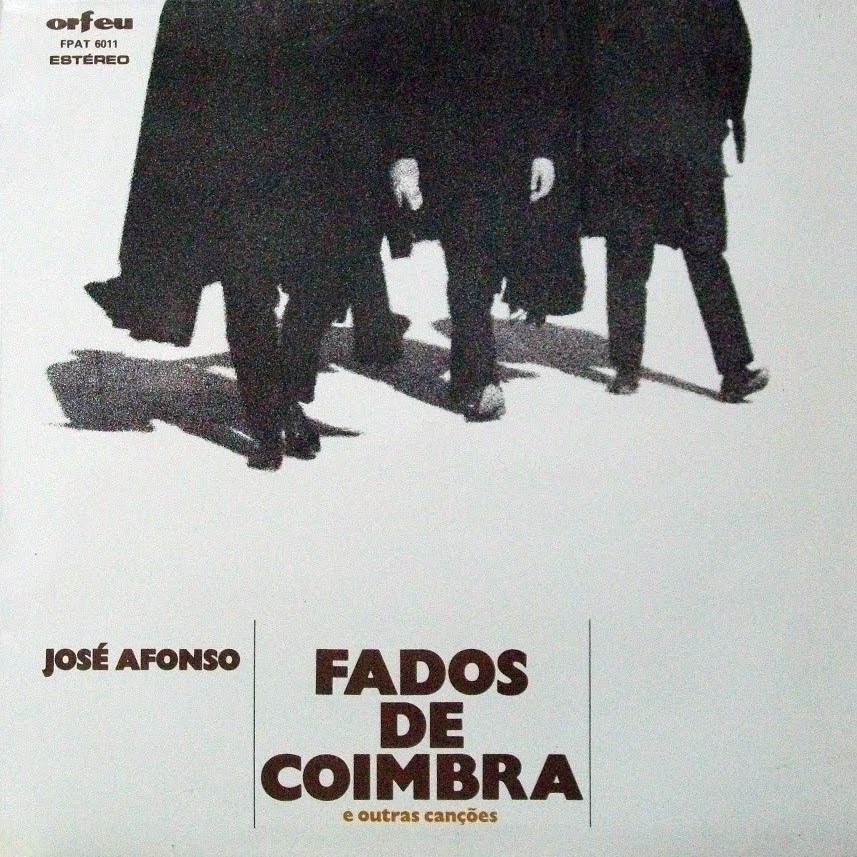
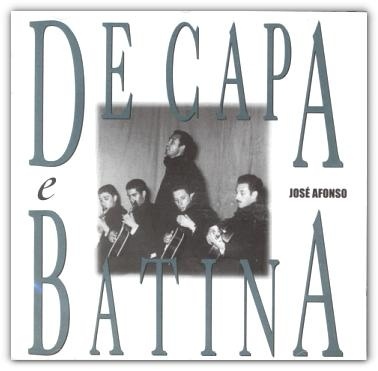
Afonso's musical journey started in the university town of Coimbra. He began performing in student gatherings. He quickly gained attention for his powerful voice and socially conscious lyrics. These were the days before TikTok fame. He was making waves the old-fashioned way.
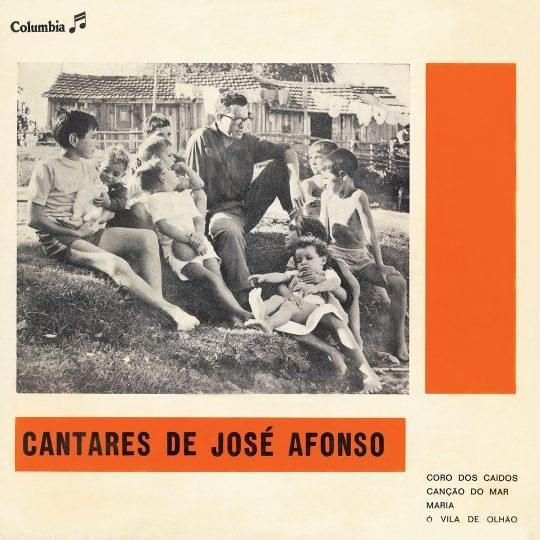
His early recordings were raw and authentic. He sang about the struggles of ordinary people. Early on he faced censorship and opposition from the authoritarian regime. These challenges fueled his determination to use music as a weapon of change.
He wasn't an overnight sensation. He built his following show by show. His dedication to social justice resonated with a generation yearning for freedom. Each performance was a spark. His music ignited a movement.
Major Albums & Discography
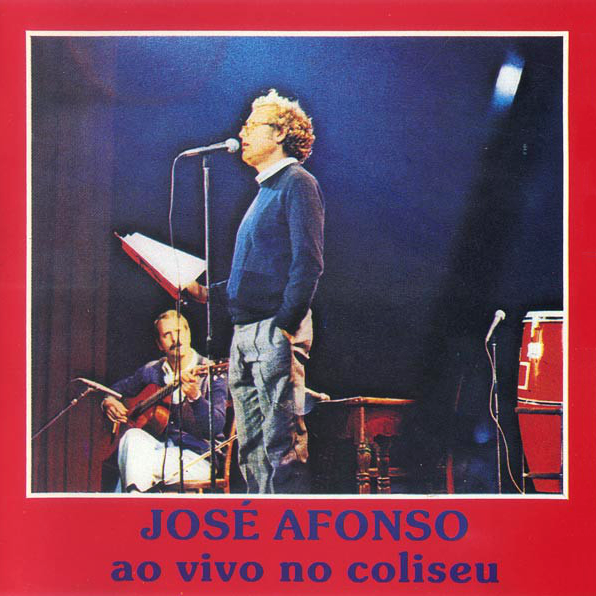
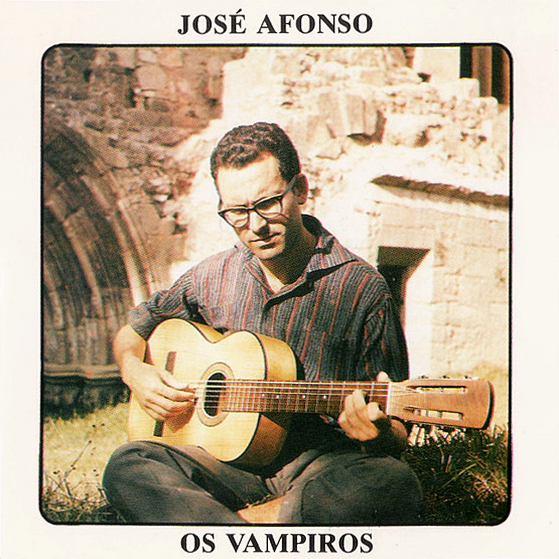
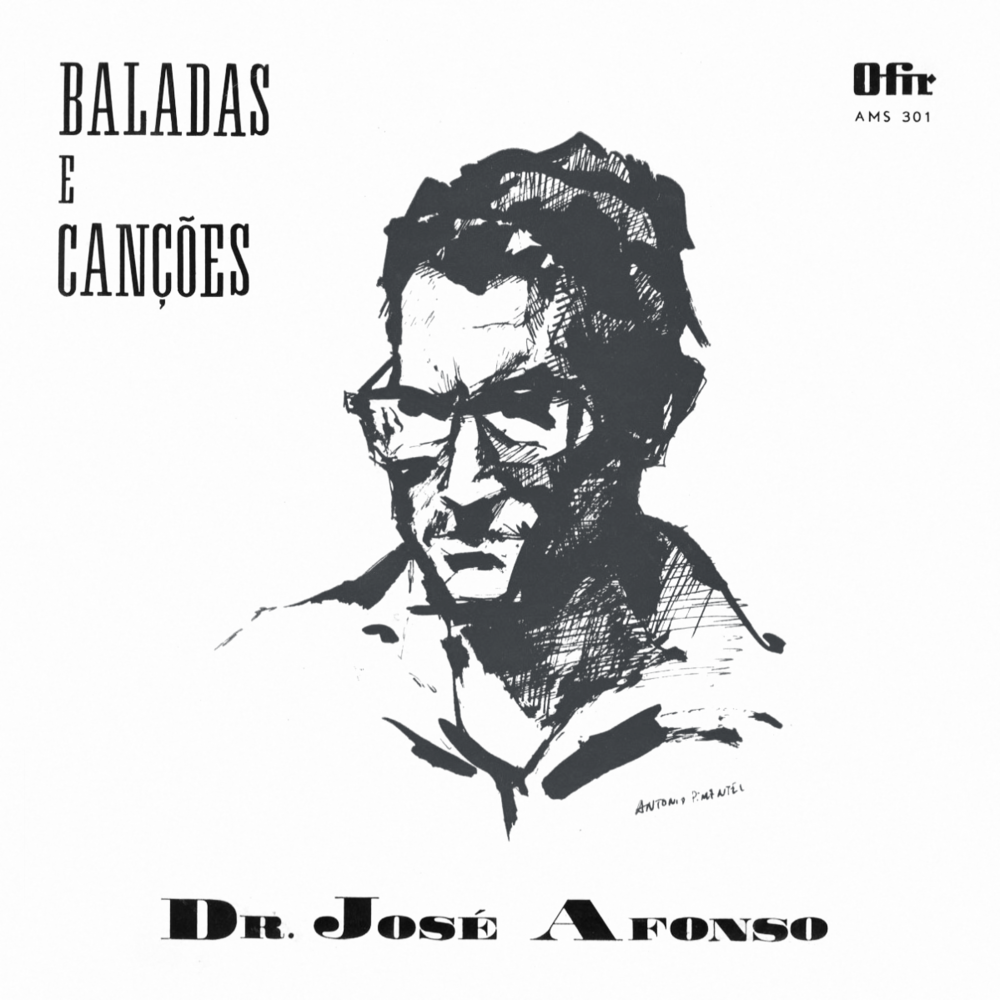
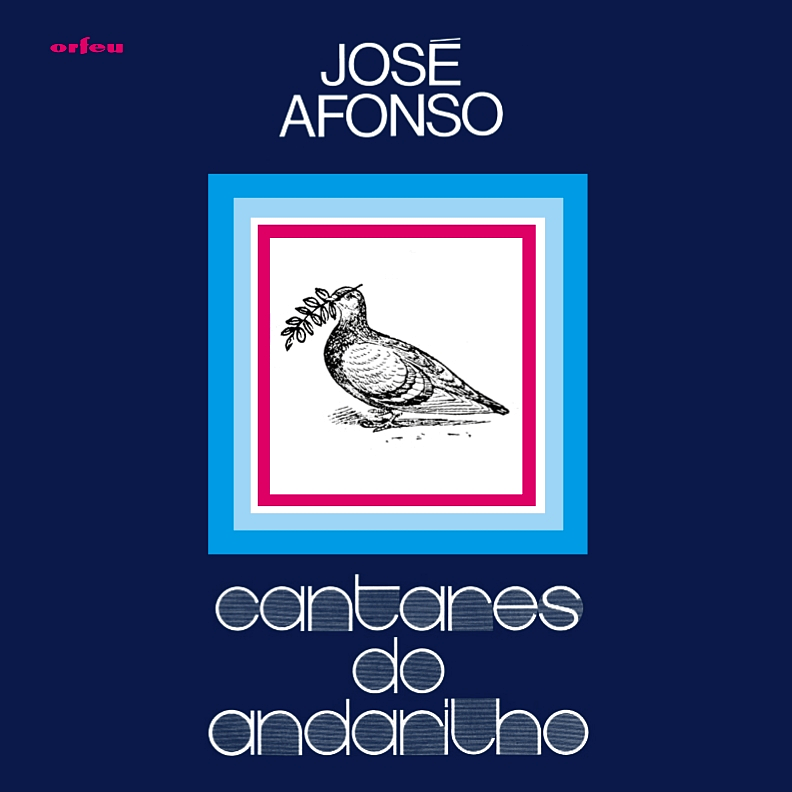
Afonso's discography is a roadmap of Portuguese resistance. Albums like Os Vampiros showcased his sharp wit and critique of societal ills. Each album marked a step further into the heart of political activism through music.
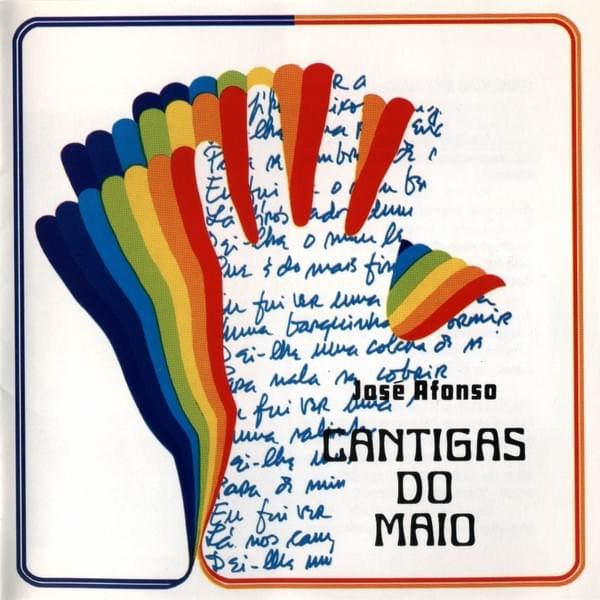
Cantigas do Maio stands as a landmark album. It contains "Grândola, Vila Morena". This became the signal for the Carnation Revolution. His evolution of sound across albums is a testament to his artistry. He blended traditional Portuguese folk with protest themes.
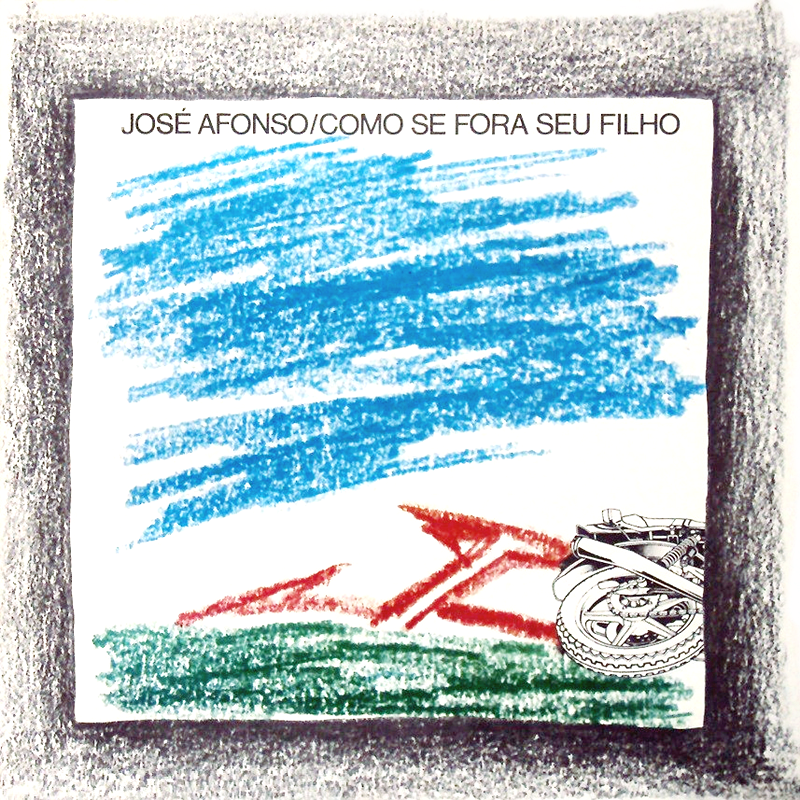
Later works such as Como Se Fora Seu Filho continued to push boundaries. He experimented with musical styles while keeping his message strong. His albums are more than just collections of songs. They are historical documents.
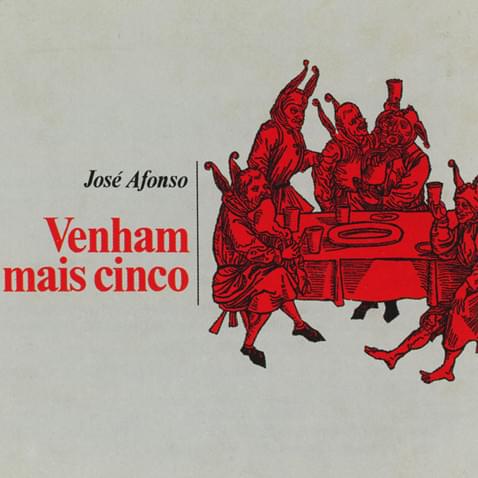
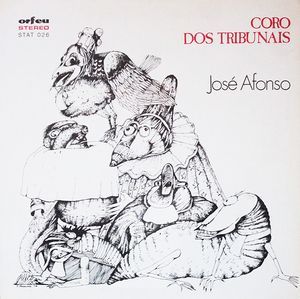
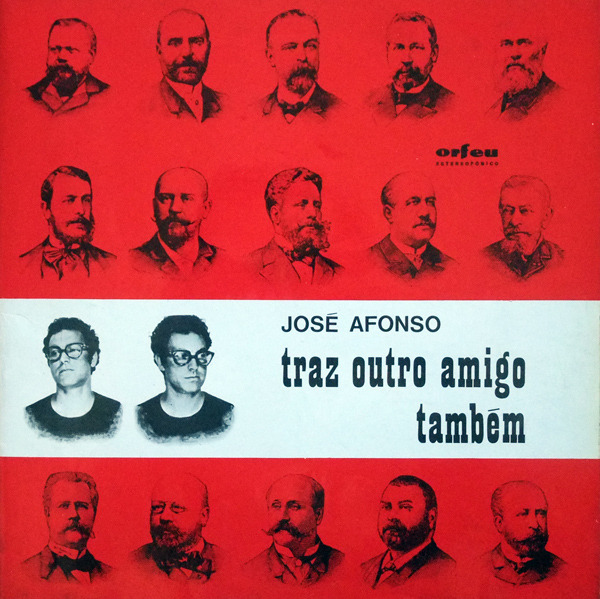
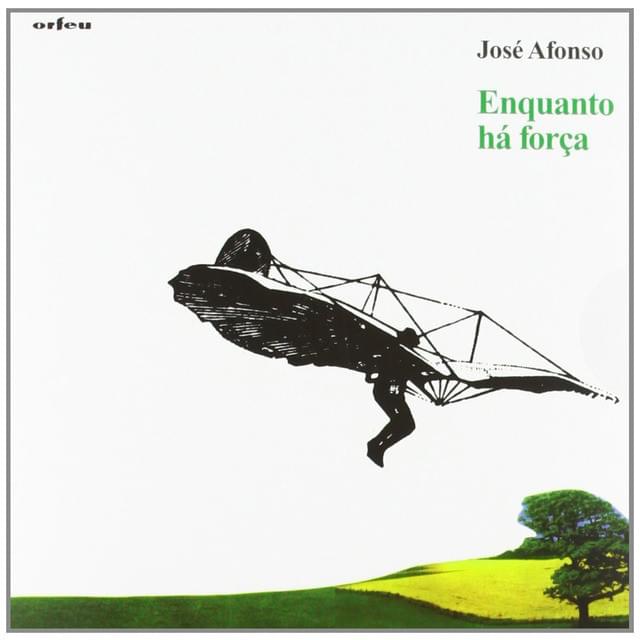
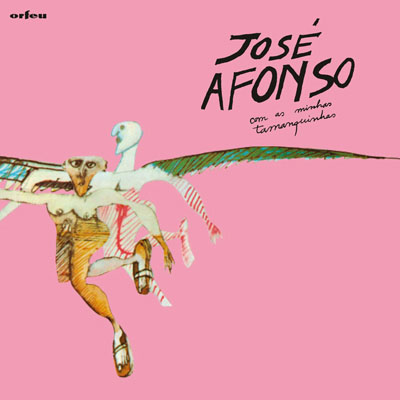
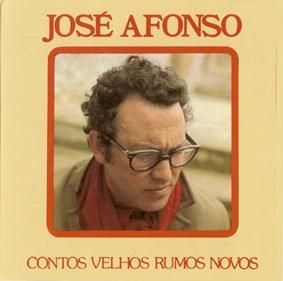
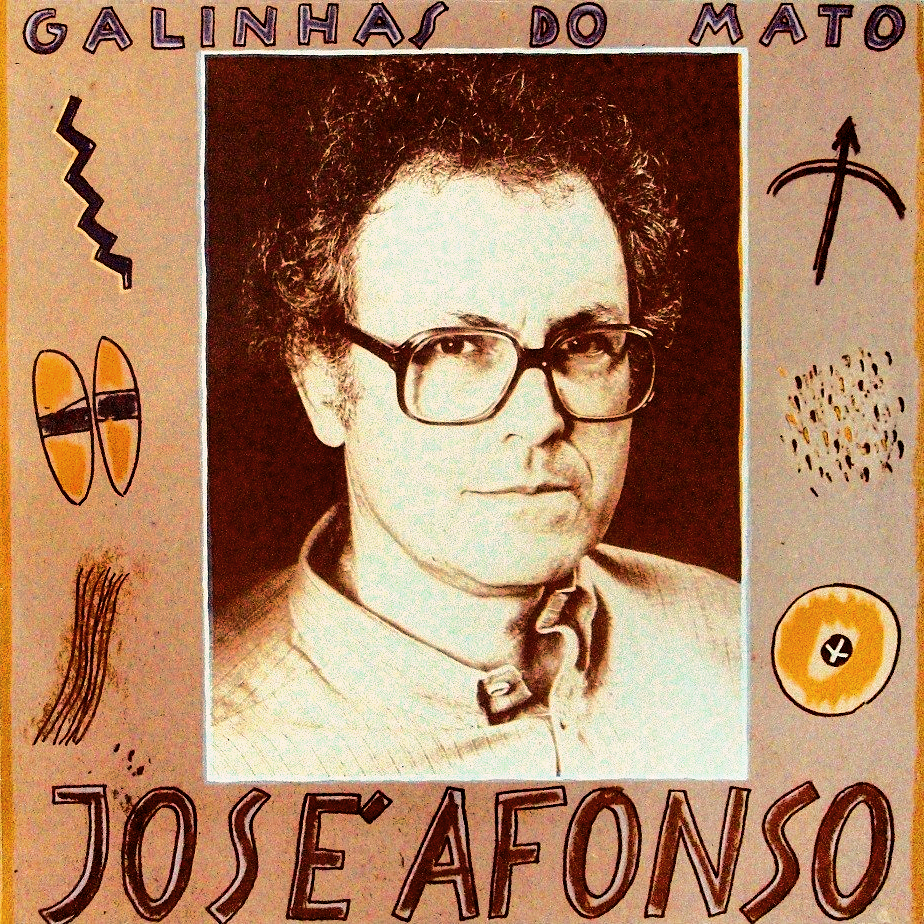
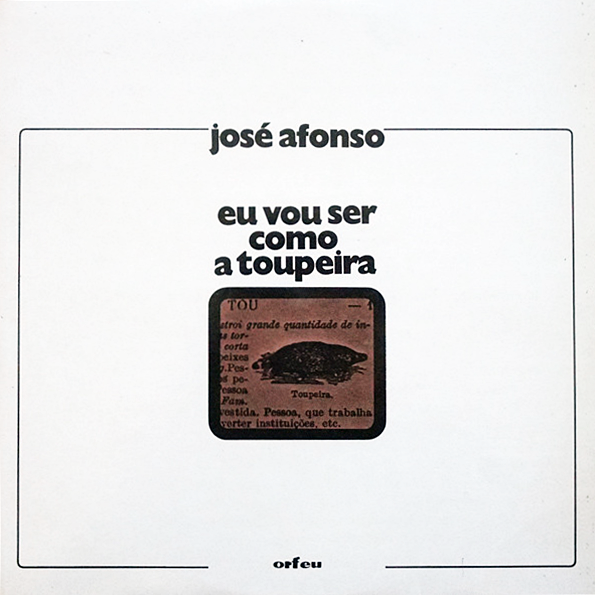
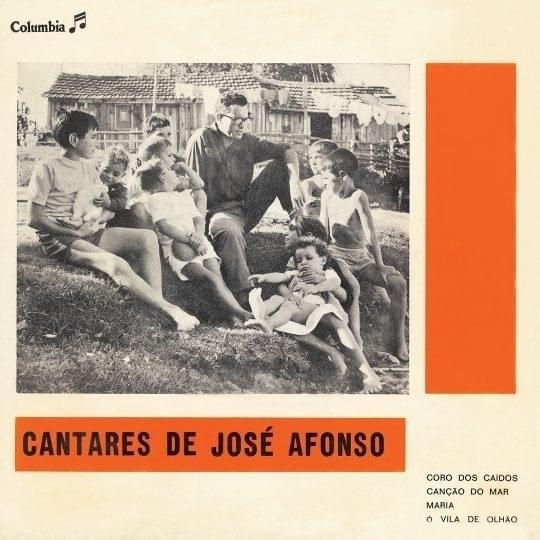
Enquanto Há Força showcases his enduring commitment to social justice. Other notable albums include Com As Minhas Tamanquinhas, Coro Dos Tribunais, Traz outro amigo também, Galinhas do Mato, Contos velhos, rumos novos and Eu Vou Ser Como a Toupeira, each adding a unique chapter to his influential career.
Hit Songs & Signature Tracks
"Grândola, Vila Morena" is undoubtedly his most iconic track. It served as the signal for the Carnation Revolution in 1974. But Zeca's catalog goes way deeper. Songs like Bailia showcase his poetic lyricism and knack for storytelling.
Tracks like Oh! Que Calma vai caindo and S. Macaio demonstrate his ability to blend traditional Portuguese sounds with powerful social commentary. He wasn't just making music. He was creating anthems.
Qualquer Dia and Vai, Maria vai further solidify his status as a voice for the voiceless. His songs resonated because they were real. They spoke to the everyday struggles of ordinary people. Also, consider tracks like Deus te salve, Rosa, Lá vai Jeremias, No Vale de Fuenteovejuna, Era de Noite e levaram and Já o Tempo se habitua, each contributing to his legacy as a protest singer.
Collaborations & Features
While primarily a solo artist, Afonso collaborated with other musicians who shared his vision. These collaborations amplified his message and reached wider audiences. He wasn't afraid to share the stage. He believed in collective action.
His work with other Portuguese artists helped to create a sense of unity during a time of political turmoil. These partnerships weren't just about music. They were about solidarity. They were about standing together against oppression.
Awards & Achievements
Afonso's impact isn't measured in Grammy Awards. His achievements lie in his influence on Portuguese society and culture. He helped topple a dictatorship with his songs. That's a flex.
His music became the soundtrack to a revolution. It inspired generations of artists and activists. His legacy lives on in the hearts of those who fight for freedom and justice. Forget platinum records. He achieved something far greater.
Personal Life
Afonso's personal life was intertwined with his music and activism. He faced censorship and persecution for his outspoken views. He remained committed to his principles throughout his life. He walked the walk.
Beyond his music, he was known for his intellectual curiosity and his dedication to social justice. He used his platform to speak out against inequality and oppression. He was a true revolutionary in every sense of the word.
Musical Style & Influence
Afonso's musical style is a blend of traditional Portuguese folk music and protest song. He drew inspiration from fado, but he infused it with his own unique sensibility. He created something entirely new.
His lyrics are poetic and politically charged. His music is both beautiful and powerful. He influenced countless artists who followed in his footsteps. He paved the way for a new generation of socially conscious musicians.
His legacy extends beyond Portugal. His music continues to inspire activists and artists around the world. He showed the world the power of music to change society. Zeca Afonso remains low-key iconic.
Recent Work & What's Next
While Zeca Afonso is no longer with us, his music continues to be celebrated and reinterpreted by contemporary artists. His songs are constantly being rediscovered by new generations. He's still trending even after all this time.
Tributes, documentaries, and covers keep his spirit alive. His message of hope and resistance remains as relevant as ever. Zeca's music isn't just history. It's a living force.