Song Meaning
The lyrics paint a fragmented, almost dreamlike scene centered around "Laura." A "round word" and a "harsh sum" set a tone of something incomplete or difficult. Images of "waves revealing themselves" on "little fingers" and "pulping her hair" suggest intimate, perhaps unsettling, physical details. The setting shifts to "Laura's steps," where "ink fell" and "farpas" (splinters or barbs) were summoned, hinting at a growing internal or external conflict.
The central tension seems to build from a quiet, domestic space into a more volatile emotional state. The mundane actions of "calling the phone" and "killing cockroaches" are juxtaposed with a rising "fury" and a cry for "vengeance." This escalating anger is tied to specific locations: "Laura's steps," "the room of dances," and even the "waiting room." The contrast between this internal turmoil and the external world, where "boys played in the street," sharpens the sense of isolation or distress.
The repeated phrase "Nos degraus de Laura" (On Laura's steps) acts as an anchor, grounding the abstract emotional build-up in a physical space. The imagery of "ink falling" and "farpas" being summoned suggests a creative or destructive process unfolding, perhaps a breakdown in communication or a painful realization. The final line, "Inda o ar educa" (The air still educates), leaves a lingering sense of an ongoing, perhaps difficult, learning process, even amidst the chaos.
This writing is effective because it uses sensory details and spatial references to evoke a potent emotional atmosphere without explicitly stating the cause. The juxtaposition of intimate physical descriptions with violent emotional outbursts creates a disquieting intimacy. The fragmented narrative and shifting focus draw the listener into a state of unease, mirroring the internal state being described.
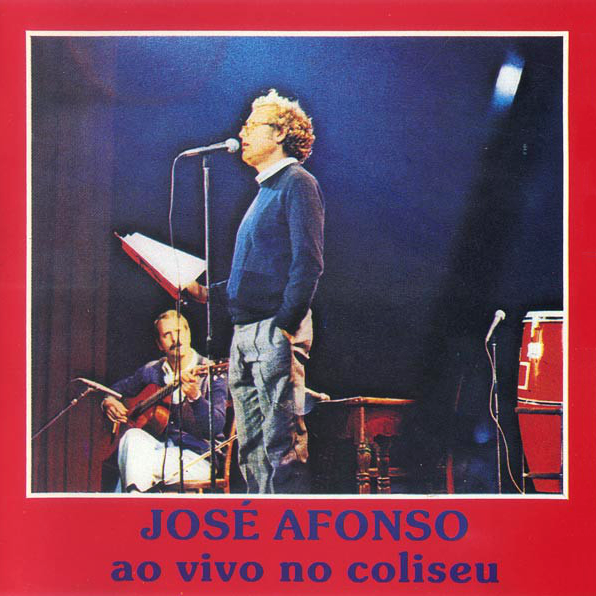
 View Artist