Song Meaning
The lyrics paint a serene picture of rural life, a quiet calm descending upon the people of the countryside. There's a gentle, almost pastoral plea for a distant love to draw near, to lean against the white lily. This sets a scene of peaceful labor and quiet longing, where even the natural world seems to participate in the unfolding emotions.
The central tension emerges between the narrator's work and a specific, cautionary romantic advice. While the narrator is busy 'reaping' on the hillsides, they warn against being reminded of a girl in a blue skirt. This suggests a potential distraction or a past entanglement that the narrator wishes to avoid, contrasting the present task with a lingering memory or temptation.
A striking image is the lament of the dove whose eggs have been stolen, juxtaposed with the narrator's direct address to the bird: "Naõ os puseras tu rola / Tanto ao pé dos meus olhos" (Didn't you, dove, place them so close to my eyes?). This feels like a subtle accusation or a wry observation on the dove's own carelessness, mirroring the narrator's own potential vulnerability to distraction or loss. The contrast between the harvested wheat above and the stubble left below further emphasizes this theme of what remains after effort, and what might be lost.
Ultimately, the lyrics' effectiveness lies in their simple, evocative imagery and the subtle undercurrent of warning. The narrator's advice to the girl not to fall for a boy who "embisga o olho" (squints/ogles) is a sharp, grounded piece of folk wisdom. The closing image of the sun setting, with a wish to capture it with a small rope, beautifully encapsulates a desire to hold onto fleeting moments, whether of peace, love, or the day itself.
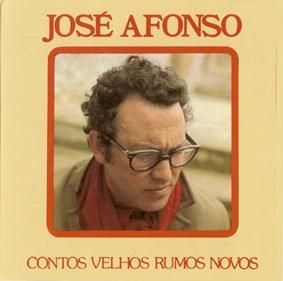
 View Artist