Song Meaning
This song paints a vivid picture of three friends, referred to as "amigas" and "irmañas," gathered under blossoming hazelnut trees, ready to dance. The immediate tone is one of joyful camaraderie and youthful exuberance, inviting participation from anyone "velida" (fair/beautiful) and "louçana" (radiant/graceful) who loves their friend. The scene is set for a communal celebration of beauty and affection.
The central tension, if it can be called that, lies in the conditional invitation to dance: "E quem for velida... Se amig' amar / Verá bailar." It suggests that true beauty and the ability to dance are intertwined with loving one's friends. The act of dancing becomes a visible manifestation of this shared affection and radiant inner state, a reward for those who embody these qualities.
The most striking craft element is the insistent repetition of the setting and the action. The "avelaneiras frolidas" (blossoming hazelnut trees) and the act of dancing ("bailar") are echoed throughout, creating a hypnotic, almost ritualistic feel. This repetition reinforces the idyllic setting and the simple, pure joy of the moment, emphasizing that the dance is the ultimate expression of their collective spirit.
What makes these lyrics so effective is their unadorned simplicity and focus on sensory experience. The imagery of blossoming trees and the promise of dance evoke a pure, uncomplicated happiness. The lyrics don't need complex narrative; they capture a fleeting moment of perfect harmony between nature, friendship, and joyful movement, inviting the listener into that shared, radiant space.
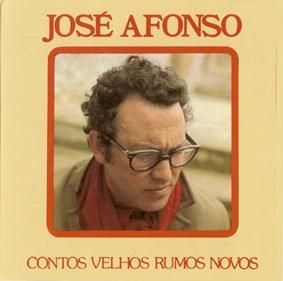
 View Artist