Song Meaning
The lyrics present a stark, repetitive dialogue between an unseen "Sinhora" (Mistress) and Maria. The "Sinhora" repeatedly commands Maria to perform various domestic tasks: "trabalhar" (work), "roupa branca lavar" (wash white clothes), "roupa branca enxugar" (dry white clothes), "chão esfregar" (scrub the floor), and even to "meu menino calar" (quiet my child). Each command is met with a defiant "Não" (No) from Maria, followed by the "Sinhora's" insistent "Sinhora não, Máriá." This creates an immediate tension between imposed labor and refusal.
The central conflict lies in Maria's repeated refusal to obey the "Sinhora's" commands. The structure emphasizes this by juxtaposing the "Vai, Maria vai" (Go, Maria, go) with the sharp "Não." The repetition of "Sinhora não, Máriá" after each refusal highlights the "Sinhora's" disbelief or frustration, while Maria's consistent "Não" underscores her agency in the face of relentless demands. The specific tasks listed paint a picture of arduous, unpaid domestic servitude.
The most striking aspect of the craft is the call-and-response structure, which transforms a potential narrative of subjugation into one of quiet resistance. The simple, declarative commands and direct language, devoid of complex metaphor, makes the power dynamic and Maria's defiance immediately clear. The repeated "Vai, Maria vai" initially sounds like an encouragement to work, but in context, it becomes a desperate plea or command that is consistently rejected, turning the phrase into an ironic counterpoint to Maria's refusal.
This lyrical exchange is effective because it uses minimalism to amplify the emotional weight of Maria's resistance. The stark contrast between the commands and the refusals, repeated with relentless precision, builds a powerful sense of Maria's internal strength. The lyrics suggest that even in the face of overwhelming authority and the expectation of constant labor, the simple act of saying "No" can be a profound assertion of self.
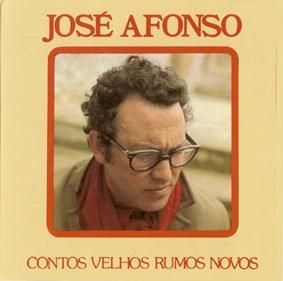
 View Artist