Song Meaning
The lyrics immediately plunge into a scene of defiant self-identification. The speaker declares they will embody the disruptive mole and the tormenting boa. This stance emerges against a backdrop of scarcity, where a "hydra" demands "penitence" during a "drought." It's a raw assertion of agency in harsh conditions.
A core tension emerges between external pressure and fierce independence. The mythical hydra, a symbol of relentless challenge, repeatedly calls for "penitence" when resources are scarce. Yet, the narrator rejects passive waiting, warning that "if you hide in the hole / you are like her," suggesting that inaction or capitulation makes one complicit with the oppressive force.
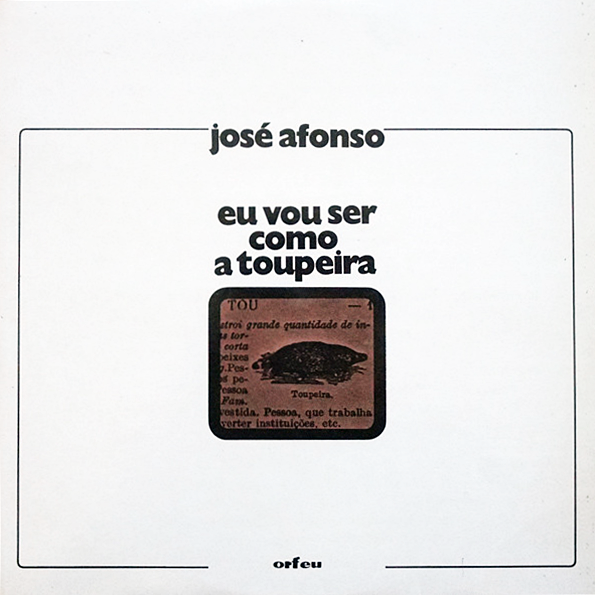
The animal imagery is particularly striking, crafting a persona that is anything but meek. Identifying with the "toupeira que esburaca" (mole that digs holes) and the "gibóia que atormenta" (boa constrictor that torments) suggests a willingness to be disruptive, persistent, and even menacing. This isn't about gentle resistance; it's about adopting a powerful, perhaps uncomfortable, identity to survive and assert one's will. The line "Não há luz que não se veja / Da charneca" further hints at a unique, perhaps hidden, perspective that sees truth even in desolate places.
Ultimately, these lyrics hit hard because they articulate a visceral struggle for autonomy. The speaker's direct challenge, "Ó hidra, diz-me a verdade / Nua e crua," cuts through the demands for penance, demanding unvarnished honesty. The final lines broaden the "hydra" from a mythical beast to a metaphor for "quem nos inveja a vida / E tira o pão," making the struggle deeply relatable as a fight against exploitative forces that seek to diminish one's existence. The defiant spirit, choosing to be a disruptive force rather than a victim, resonates powerfully.
 View Artist