Song Meaning
The narrator lays bare a deep weariness with repeated disappointments, particularly within the gay community. The bar for basic human decency has been set so low that even simple gestures like returning a text or showing up on time feel like monumental efforts. This isn't about grand romantic gestures; it's about the erosion of fundamental courtesy and reliability that leaves the narrator feeling drained and questioning the behavior of others. The repeated question, "Are all of these simple things just too much to ask?" underscores the profound frustration with what feels like a widespread lack of consideration.
The core tension arises from the contrast between the narrator's readiness for connection and the consistent letdowns experienced. He expresses a desire for intimacy, "I wanted to touch your body, I wanted to hold it," but this vulnerability is met with abandonment, leading to a bitter retraction: "Now I'm gonna fold it." This emotional whiplash, from hopeful anticipation to disgusted resignation, highlights the painful gap between what the narrator seeks and what he receives. The lyrics suggest a pattern of being blown off, making even the most basic expectations feel like an unreasonable demand.
The most striking aspect of the craft is the blunt, almost exasperated tone used to describe seemingly minor offenses. Phrases like "Are we a bunch of babies?" and "Are we a bunch of flakes?" convey a sense of disbelief and annoyance at the immaturity and flakiness he perceives. The shift from the specific desire to "touch your body" to the visceral reaction "Makes me wanna throw up" powerfully illustrates how repeated slights can transform longing into revulsion. The bridge's raw "Time to fucking grow up" is a direct, unfiltered plea for maturity that cuts through the narrator's own disappointment.
Ultimately, the effectiveness of these lyrics lies in their unflinching honesty about the emotional toll of casual disrespect. The narrator isn't asking for the moon; he's asking for the bare minimum of respect and reliability. By framing these basic courtesies as potentially "too much to ask," the song taps into a universal feeling of being let down by others, particularly when those letdowns come from within a community one hopes would offer more support and consideration. The repeated chorus hammers home this central grievance, leaving the listener with a potent sense of the narrator's exhaustion and disillusionment.
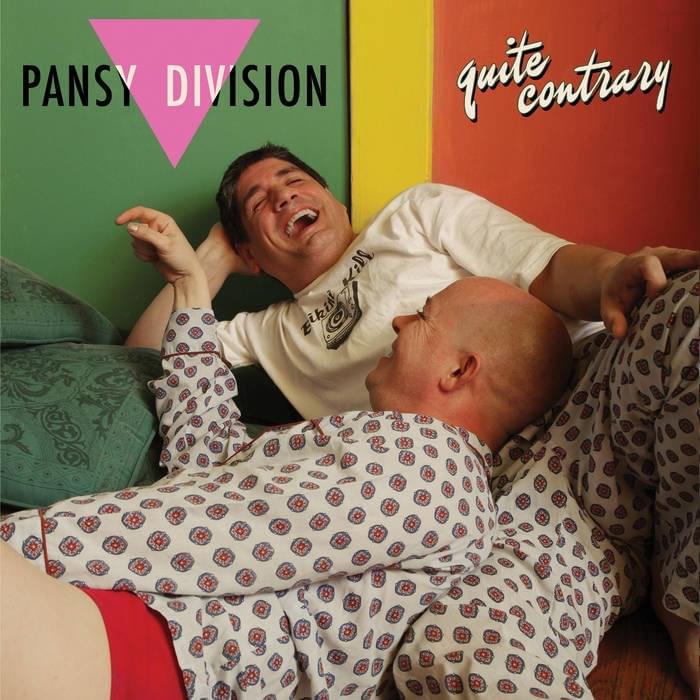
 View Artist