Song Meaning
The lyrics paint a picture of a pervasive, almost inescapable fixation, found in the most mundane and private spaces. The narrator observes this obsession manifesting everywhere, from bathroom walls and toilet stalls to truck stops and backstage dressing rooms. This ubiquity suggests the obsession isn't just a fleeting thought but a constant, underlying presence, impacting the subject's actions even when they're with someone else. The repetition of "You're obsessed with me" hammers home this central theme, creating a feeling of being constantly watched or thought about.
The core tension arises from the duality of "desire and hate," revealing a complex internal conflict within the subject. The narrator suggests this obsession stems from the subject's own "shame" over actions they "dare to do," implying a forbidden or socially unacceptable desire. This creates a push-and-pull dynamic where the subject is both drawn to and repulsed by whatever the narrator represents or provokes. The lyrics explicitly link this to "repressed dying for action" and the contrast between a "public face, private reaction."
The most striking aspect of the craft is the direct invocation of public figures like Ted Haggard and Larry Craig, immediately grounding the abstract concept of obsession in real-world scandals. This choice serves as a sharp, almost confrontational illustration of the lyrics' point: the struggle with hidden desires and the potential for public exposure. The repeated question structure in the bridge-"Who takes it? Who gives it? Who fakes it? Who lives it?"-further emphasizes the internal turmoil and the blurred lines between performance and genuine experience related to "forbidden sex."
Ultimately, the effectiveness of these lyrics lies in their unflinching portrayal of a deeply conflicted psyche. By juxtaposing the mundane settings with the intense emotional and social implications of obsession, the narrator creates a powerful sense of psychological unease. The direct, almost accusatory tone, coupled with the specific, scandalous references, forces the listener to confront the uncomfortable reality of suppressed desires and the shame that often accompanies them.
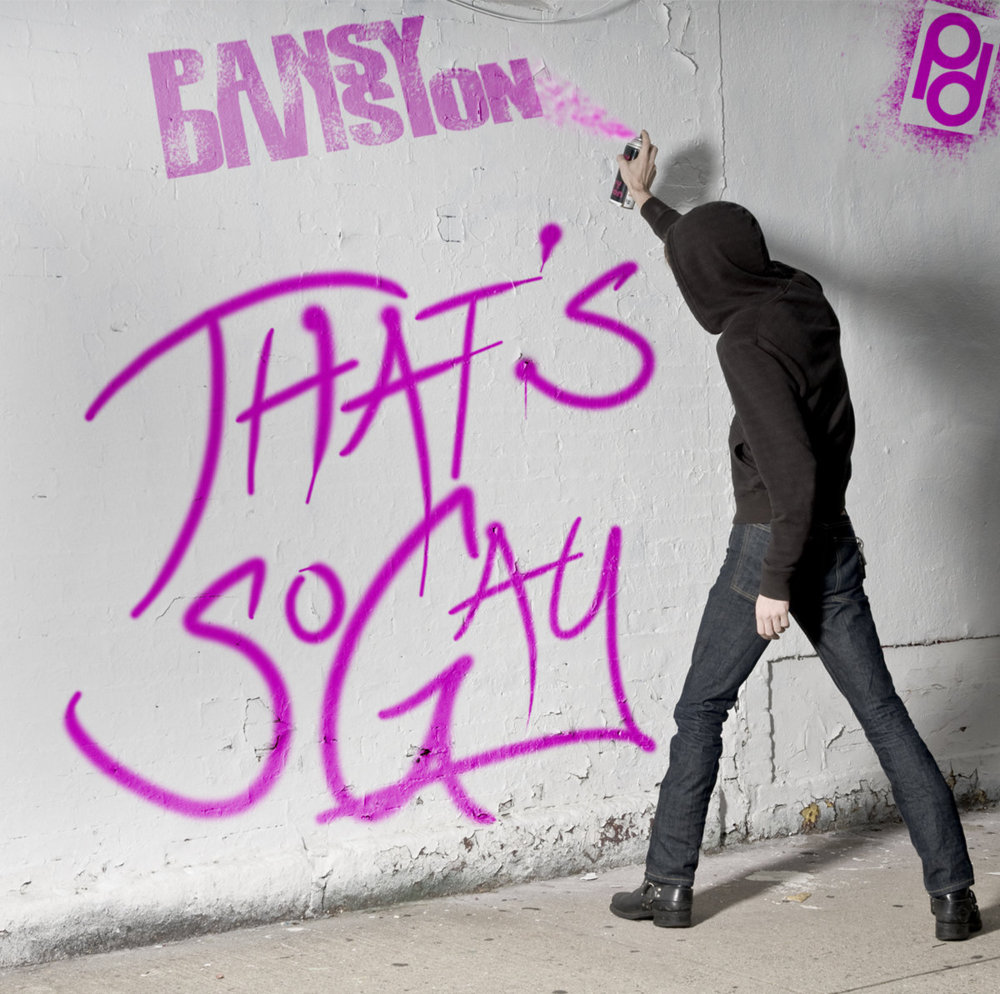
 View Artist