Song Meaning
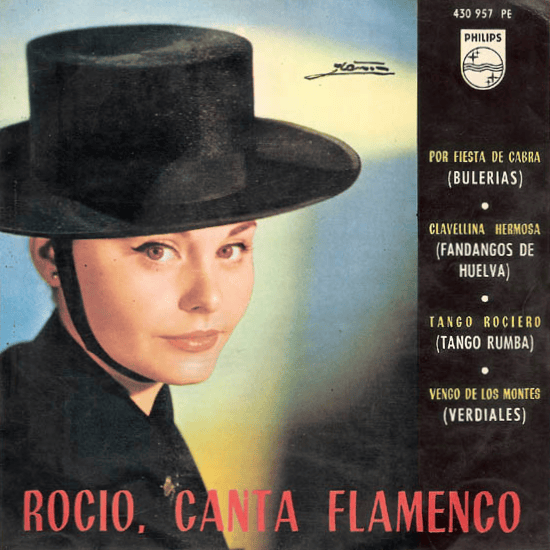
Rocío Dúrcal's "Por Fiesta de Cabra" pulses with a raw, untamed desire, a brazen declaration of infatuation that throws caution to the wind. The opening lines, a direct address to a messenger, demand the object of her affection turn his face so she can truly see him. This isn't a shy glance; it's a command, a seizing of control. The subsequent lines, "No le guardo consecuencias ni a mi madre, ni a mi padre," reveal the depth of this obsession. Societal expectations, familial bonds – none of it matters in the face of this overwhelming attraction. It's a primal urge, a willingness to defy all norms for a chance at connection. The phrase "Por Fiesta de Cabra" itself hints at a wild, uninhibited celebration, a revelry of the senses where societal constraints are temporarily suspended.
The song's middle verses introduce a contrasting element of vulnerability. While the singer initially projects unwavering confidence, lines like "Cuando te tengo a mi vera, mi corazoncito siente, que llega la primavera" expose a softer, more hopeful side. The mention of an earthquake that doesn't topple iconic structures acts as a symbolic representation of the singer's inner turmoil. Though deeply shaken by love, her core remains intact. It is a testament to her strength amidst chaos. The earthquake functions as an extended metaphor for the disruptive power of love and lust, but also its exhilarating and transformative potential.
The final verse delves into the singer's fears and anxieties. "O temo experimentar, de lo que siempre he temido / De verme castigada, por la alameda, por la alameda" suggests a deep-seated fear of judgment and retribution for her desires. The "alameda," a public promenade, becomes a symbol of societal scrutiny and potential shame. This fear of punishment reveals a complex internal conflict: a battle between the singer's passionate impulses and the restrictive norms of her environment. The song becomes a powerful exploration of female desire, societal constraints, and the courage it takes to embrace one's true feelings, even when faced with the threat of condemnation. Ultimately, "Por Fiesta de Cabra" is a potent expression of the intoxicating, and sometimes terrifying, power of unbridled passion.
 View Artist