Song Meaning
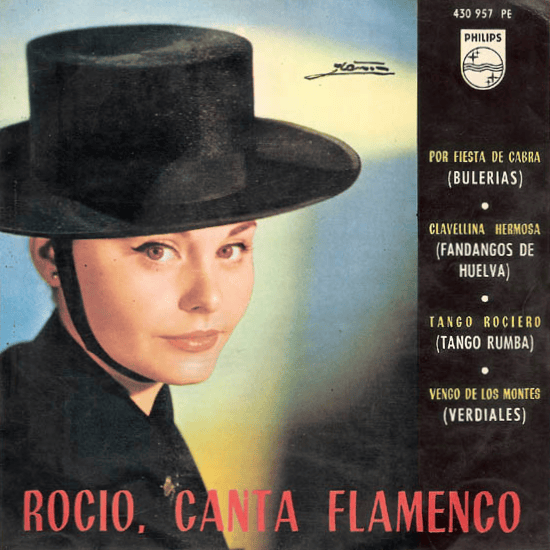
Rocío Dúrcal's "Star (Demo)"—or, as the lyrics indicate, perhaps titled "Clavellina Hermosa"—unfurls a tapestry of longing and ephemeral beauty, characteristic of the artist's passionate delivery. The song's core revolves around a quest for a beautiful carnation ("clavellina hermosa"), a symbol of love and perhaps fleeting perfection. The lyrics quickly move beyond simple admiration, the plant itself seems to implore the singer to consider the cost of such beauty, suggesting that taking the flower would also steal its joy, hinting at a deeper meditation on sacrifice and the interconnectedness of life. It's a stark reminder that even the most beautiful things can carry a burden of sorrow, a concept Dúrcal often explored through her career. The 'olé' interjections and the mention of tango infuse the song with a fiery, traditionally Spanish passion.
The second verse shifts focus to the lilies of the field, sharing the singer's sorrow, seeing her "morena" or tanned face. This establishes a bond between the singer's emotional state and the natural world. The "cara de llanto" or face of tears presents an image of sorrow amidst springtime, a common theme in folk music, where personal grief often finds resonance in the changing seasons. This juxtaposition heightens the sense of melancholy, as the renewal of spring clashes with the singer's internal state.
Finally, the song culminates in a dreamlike sequence. The singer sees a "lucero" or bright star, which transforms into a tangible presence. However, this beautiful vision is abruptly shattered by the ringing of a bell, a rude awakening back to reality. This dream sequence could represent a yearning for something unattainable, a perfect love or ideal that vanishes upon closer inspection. The bell serves as a symbol of the harshness of reality, pulling the singer away from her idealized vision. The "Star (Demo)" thus explores themes of desire, loss, and the elusive nature of beauty, all filtered through Dúrcal's distinctive vocal style and the rich imagery of Spanish folk tradition.
 View Artist