Song Meaning
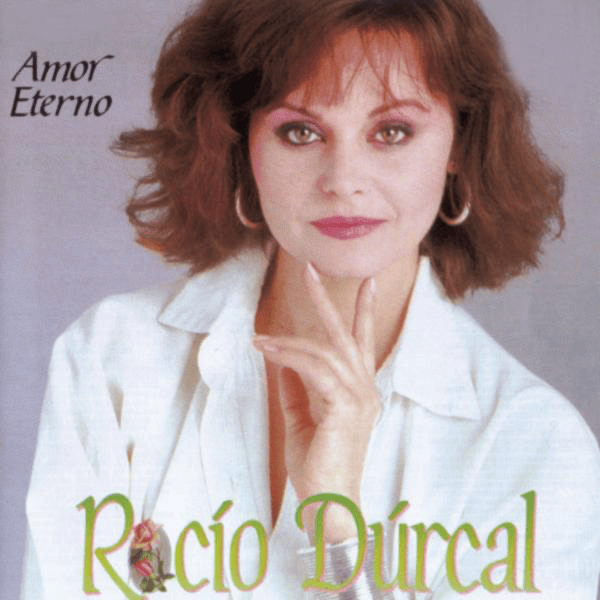
Rocío Dúrcal's "Amor Eterno" isn't just a song; it's a raw, exposed nerve of grief, a visceral scream into the void left by devastating loss. The lyrics paint a portrait of a soul utterly consumed by the absence of a loved one, trapped in a perpetual loop of mourning. Dúrcal doesn't shy away from the darkest corners of bereavement. The opening lines establish this immediately: the singer is haunted, seeing only sorrow reflected in her own eyes, a constant reminder of the love that's been ripped away. The desire to forget is a battle waged daily, a desperate attempt to escape the crushing weight of yesterday. But even oblivion offers no solace; the singer explicitly states a preference for sleep, a subconscious yearning for escape from a reality that is now unbearable. The song's power lies in its unflinching honesty about the all-encompassing nature of grief.
The chorus, with its plaintive cry of "Cómo quisiera que tú vivieras," serves as the song's emotional core, a desperate wish for a reality that can never be. The line about wanting their eyes to have never closed encapsulates the pain of finality, the permanent separation that death imposes. Yet, within this despair, there's a flicker of hope, a belief in an eventual reunion: "Tarde o temprano, estaremos juntos para seguir amándonos." This isn't necessarily a religious sentiment, but rather a deeply human need to believe that love transcends even death. The lyrics also hint at a complex layer of guilt and regret. The lines, "Sé que pude haber yo hecho más por ti," suggest a lingering sense of responsibility, a common thread in the tapestry of grief where the bereaved often replay past events, searching for ways they could have altered the outcome. This self-reproach adds another layer of depth to the song's already profound exploration of loss.
"Amor Eterno" also subtly explores the isolating nature of grief. The singer describes living in an "obscura soledad," a darkness mirroring the solitude of the loved one's tomb. The mention of Acapulco, ostensibly a place of happier memories, is now tainted, becoming a "triste recuerdo." The song's genius is in its ability to transform personal grief into a universal experience. It speaks to anyone who has ever loved and lost, offering a space for shared sorrow and a reminder that even in the darkest of times, the flame of love, however faint, can endure. The repetition of "Eterno" in the outro acts as a final affirmation, a desperate clinging to the idea that love, in its purest form, can indeed defy the boundaries of time and mortality. Dúrcal's rendition transforms the song into an anthem of enduring love, a testament to the power of memory, and a poignant acknowledgment of the enduring pain that loss can inflict.
 View Artist