Song Meaning
Rocío Dúrcal's "Costumbres" (Habits) isn't a song about roaring engines or leather jackets, despite its translated title "Motorcycle Chase." Instead, it's a masterclass in the quiet torment of post-relationship inertia. Dúrcal dissects the peculiar gravity that keeps ex-lovers tethered, long after the spark has died, not by passion, but by the dull ache of habit. The lyrics are deceptively simple, yet they cut to the quick of human attachment. She acknowledges the bitterness that has replaced affection ("Although you feel no more love for me, only resentment"), yet confesses, "I miss you, I also miss you." This isn't a romantic yearning; it's an admission of dependence, a recognition of the void left by a familiar presence, however acrimonious it may have become.
The brilliance of "Costumbres" lies in its central thesis: "There is no doubt that it is true that habit is stronger than love." This line isn't a lament, but a cold, hard observation. Dúrcal isn't wallowing; she's diagnosing. She understands the insidious power of routine, the way shared rituals and inside jokes can create invisible chains. The song meaning transcends mere heartbreak; it's about the unsettling realization that we can be bound to someone not by affection, but by the sheer force of repetition. The repetition of the chorus itself mirrors this cyclical trap, emphasizing the futility and inevitability of returning to a source of pain.
Ultimately, "Costumbres" offers a bleak, yet profoundly honest, perspective on the complexities of human connection. It suggests that even in the absence of love, the ghost of a relationship can linger, fueled by the stubborn persistence of habit. Dúrcal doesn't offer easy answers or platitudes about moving on. Instead, she leaves us with the unsettling truth that sometimes, the greatest obstacle to freedom isn't hatred or anger, but the quiet, persistent pull of what used to be. This lyrics analysis reveals a sophisticated understanding of the human psyche, marking "Costumbres" as more than just a song; it's a psychological portrait of lingering attachment.
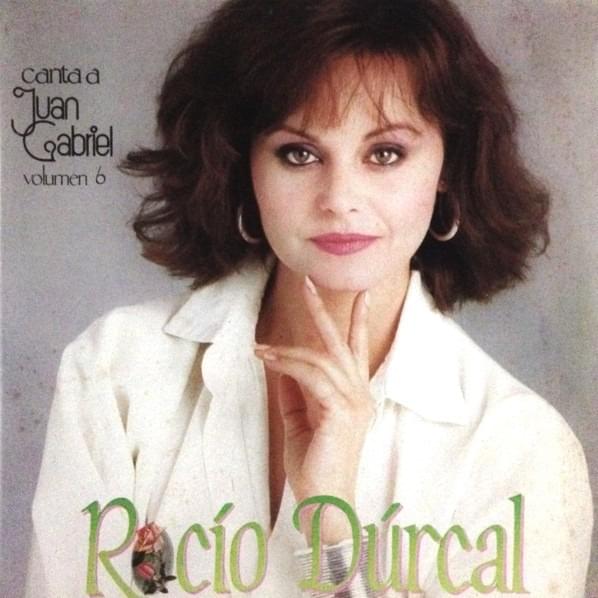
 View Artist