Song Meaning
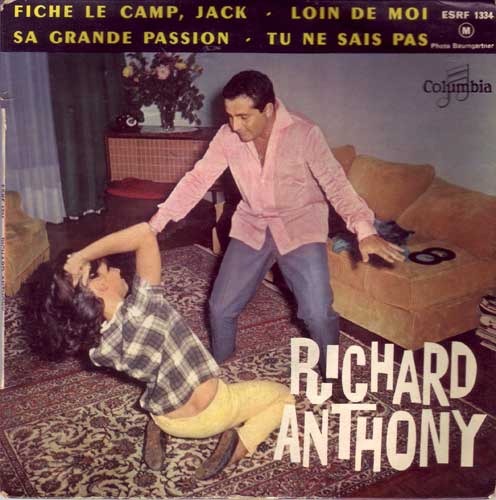
Richard Anthony's "Fiche Le Camp, Jack!" is a masterclass in mid-century French pop melodrama, a tightly wound spring of romantic exasperation threatening to unwind completely. The song's meaning revolves around a central, repeated refrain: "Fiche le camp Jack / Et ne reviens plus jamais" – essentially, "Get lost, Jack! And never come back!" This isn't just a polite dismissal; it's an emotional eviction notice served with a side of Gallic fury. The repetition underscores the depth of the speaker's feelings, a raw nerve exposed with each iteration. The simplicity of the phrase is deceptive, carrying a weight of betrayal and finality that resonates beyond its literal translation. Jack, whoever he may be, has clearly crossed a line.
The verses offer glimpses into the precipitating events, painting a picture of infidelity and broken trust. The back-and-forth between the singer and Jack reveals a desperate attempt at justification met with accusations of lying and womanizing ("Tais-toi tu mens, tu n'es qu'un coureur / Avec elle je t'ai vu, c'était pas ta sœur"). This brief exchange is the crux of the conflict, a moment of truth where Jack's excuses crumble under the weight of undeniable evidence. The phrase "Et je pars au triple galop" (and I'm leaving at a gallop) further emphasizes the speaker's decisive action, a flight from the toxic situation.
Ultimately, "Fiche Le Camp, Jack!" is a study in emotional boundaries and self-respect. It's a declaration of independence from a relationship poisoned by deceit. The song's power lies in its directness and the unwavering resolve of its message. The speaker isn't pleading or bargaining; they're drawing a line in the sand and refusing to tolerate further disrespect. In the landscape of pop music, it stands as a potent anthem for anyone who's ever had to say enough is enough.