Song Meaning
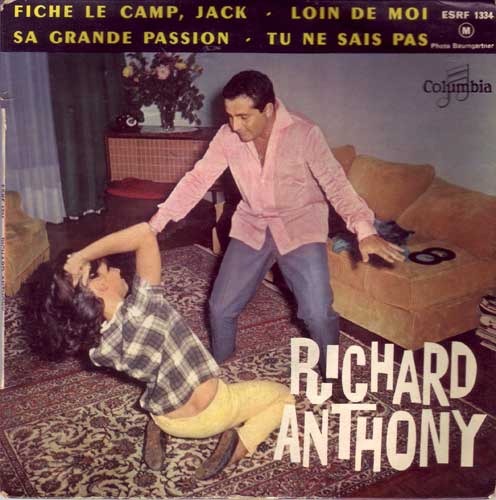
Richard Anthony's "Sa grande passion" isn't a straightforward love song; it's a tightly wound drama of betrayal and unspoken pain, delivered with a deceptive simplicity. The setup is classic: a friend confides his newfound love, describing her beauty and proclaiming a lifelong commitment. The narrator listens, seemingly supportive, as the friend reveals the name of his "grande passion." But beneath the surface of camaraderie simmers a devastating secret. The emotional core of the song resides not in the friend's naive joy, but in the narrator's silent anguish, as revealed in the refrain: "Moi, j'avais les larmes aux yeux quand il parlait" (I had tears in my eyes when he spoke). This isn't happiness for his friend; it's the agony of knowing the woman the friend loves is also *his* lover.
The lyrical twist exposes the cruel irony at the heart of "Sa grande passion." The narrator knows the name of his friend's beloved because he's been intimate with her, she has professed her love to him. The repetition of "Je savais le nom / De sa grande passion" (I knew the name / Of his great passion) becomes increasingly loaded with each verse, transforming from a statement of knowledge into an acknowledgement of guilt and a lament for the situation. The song cleverly avoids explicit accusations or confrontations. The betrayal remains a secret carried solely by the narrator, amplifying his internal conflict.
The beauty of Richard Anthony's performance lies in the restraint. He doesn't overplay the drama. There's a quiet resignation in his voice, mirroring the narrator's powerlessness. He can only weep silently, unable to reveal the truth without destroying his friend. The song's final lines, repeating "Et c'était la même qui lui disait je t'aime" (And it was the same one who told him I love you), hammer home the agonizing duplicity. It’s a song about the destructive power of secrets and the unbearable weight of knowing too much, masked as a sentimental ballad. The song meaning ultimately rests on the chasm between outward appearances and inner turmoil, a theme that resonates far beyond the immediate narrative of romantic betrayal.
 View Artist