Song Meaning
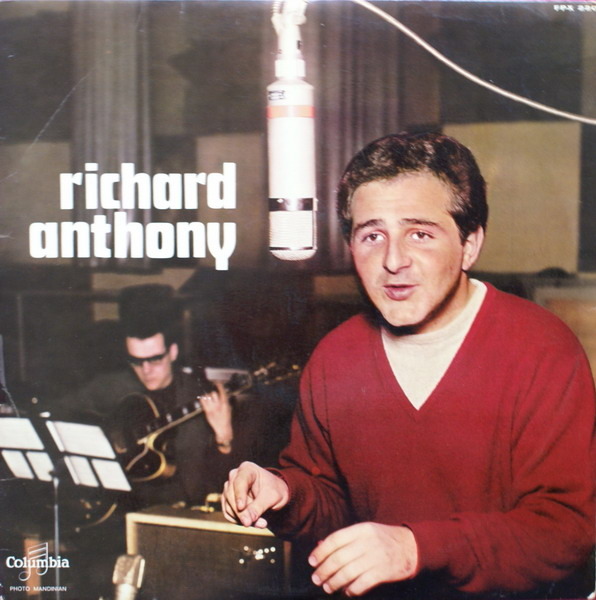
Richard Anthony's "C'était plus fort que tout" captures the dizzying rush of unexpected connection, the kind that sweeps away reason and hesitation. The song's meaning revolves around the undeniable power of attraction, portrayed not as a calculated move, but as an overwhelming force. It's a portrait of nascent love, painted with delicate strokes of surprise and inevitability. The repetition of the phrase "C'était plus fort que tout" (It was stronger than everything) acts as a mantra, emphasizing the helplessness of the situation.
The lyrics trace a subtle shift from hesitant anticipation to full-blown surrender. Initially, there's a sense of almost accidental intimacy—a cheek brushed, a shared glance that lingers too long. The near-apology suggests a fear of overstepping, of misinterpreting the signals. But then, the physical embrace occurs, a non-verbal confirmation that dissolves all doubt. This moment of contact serves as the catalyst, unleashing a torrent of emotion. The protagonist, caught in the whirlwind, can only cry out the beloved's name, a primal expression of recognition and belonging.
What elevates "C'était plus fort que tout" beyond a simple love song is its acknowledgment of vulnerability. The lyrics hint at the precarious nature of such intense feelings. The phrase "toute l'éternité" (all eternity) placed at the end borders on naive. The song acknowledges that youthful infatuation often feels like forever. Richard Anthony isn't just singing about love; he's exploring the psychological landscape of being utterly consumed by it, where fear and excitement intertwine, and the future stretches out, shimmering with both promise and uncertainty.
 View Artist