Song Meaning
Richard Anthony's "Après toi" is a study in the psychology of irreversible loss, draped in the melancholic elegance of French pop. The song, whose title translates to "After You," doesn't just lament a breakup; it posits the impossibility of future love. The lyrics, simple yet devastating, circle around the central theme: the singer is told he will find another love, joy, and sunshine *after* this relationship ends. But he fundamentally rejects the premise. It's a defiant, almost stubborn refusal to accept the healing power of time.
The repetition of "On dit que je pourrai trouver… après toi" (They say I could find… after you) highlights the external pressure to move on, contrasted sharply with the speaker's internal conviction. He acknowledges the platitudes – the idea of finding joy in other arms, forgetting past kisses – but dismisses them as empty comfort. The pain isn't just present; it's projected into the future, coloring every potential relationship with the shadow of what's been lost. The question "Car comment pourrai-je aimer après toi?" (For how could I love after you?) isn't rhetorical; it's a genuine expression of a heart that believes itself irrevocably altered.
Ultimately, "Après toi" resonates because it captures a universal fear: that some loves are so profound they render us incapable of loving again. It's a vulnerable admission of the lasting impact of a relationship, a refusal to dilute its significance with the promise of future happiness. The song acknowledges that grief isn't always linear, and that sometimes, the idea of "moving on" feels like a betrayal of the love that came before. Richard Anthony isn't just singing about heartbreak; he's exploring the psychological terrain of permanent emotional scarring.
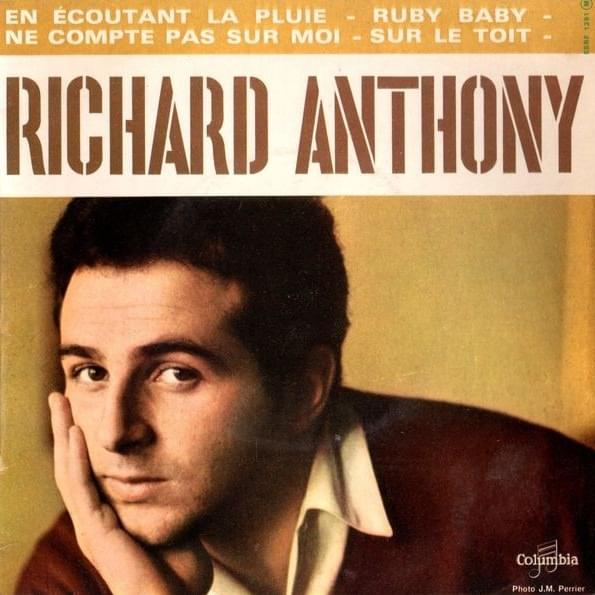
 View Artist