Song Meaning
Richard Anthony's "Sur le toit" isn't just a breezy French pop song; it's a carefully constructed refuge from the perceived anxieties of modern life. The lyrics paint a vivid picture of escape, ascending "sur le toit" (on the roof) to find solace from a world that feels "bien trop tristes à regarder" (too sad to watch). This isn't mere escapism; it's a deliberate act of self-preservation, a quest for psychological altitude. The roof becomes a metaphorical space, elevated above the mundane and the depressing, where worries can't reach. It's a self-created kingdom, offering a sense of control and wish fulfillment denied in the everyday world. The "fourmis là tout en bas" (ants down below) imagery powerfully conveys a detachment from the frenetic, often meaningless, activity of the masses. There's a subtle critique embedded here, a questioning of the values and priorities of conventional society.
Beyond personal escape, the song extends an invitation. The shift from solitary retreat to a shared experience, "il y a la place pour deux" (there is room for two), transforms the rooftop into a haven for connection and shared wonder. The "spectacle gratuit" (free show) offered by the stars suggests that true beauty and meaning are accessible to all, if one simply chooses to seek them out beyond the confines of daily routine. This invitation is crucial; it suggests that the antidote to modern malaise isn't complete isolation, but rather a shared experience of transcendence. The repetition of "Là sur le toit" (There on the roof) throughout the song acts as a hypnotic mantra, reinforcing the power of this chosen space.
Ultimately, the song meaning of "Sur le toit" lies in its advocacy for finding personal sanctuaries – spaces, either physical or mental, where one can reconnect with a sense of wonder and escape the crushing weight of societal pressures. Richard Anthony crafts a compelling argument for the power of perspective, suggesting that sometimes, all it takes is a change of scenery, a metaphorical climb above the fray, to rediscover joy and meaning. It subtly probes the listener to examine their own coping mechanisms and consider the value of creating personal havens in an increasingly overwhelming world.
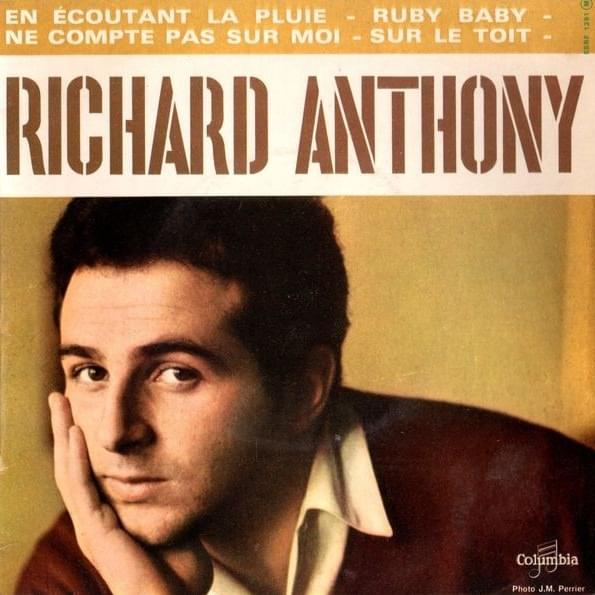
 View Artist