Song Meaning
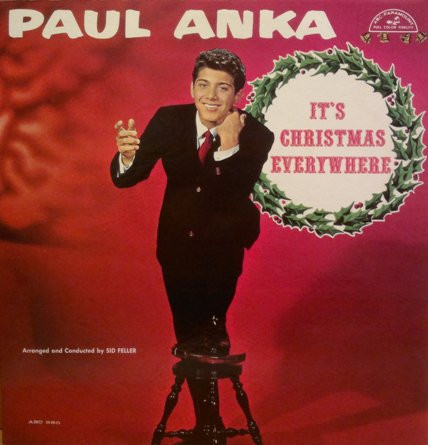
{"song_id": 10769624, "meaning": "Paul Anka's rendition of \"O Come, All Ye Faithful\" isn't just a Christmas carol; it's a carefully constructed invitation to spiritual surrender. The repeated call to 'come' echoes a deep human yearning for connection, specifically to something larger than oneself. The lyrics tap into a primal desire for belonging and the comfort found in collective worship. The genius lies in its simplicity: the insistent repetition drills past intellectual defenses, appealing directly to the emotional core. It's less a song, more a carefully orchestrated act of communal hypnosis. The song meaning is rooted in the psychological power of groupthink and the inherent human need for a savior figure. The lyrics deliberately paint a picture of humility ('poor and in the manger') designed to evoke empathy and a sense of shared humanity. It's a masterclass in emotional manipulation, albeit one cloaked in the guise of religious devotion.
The brilliance of “O Come, All Ye Faithful” also resides in its skillful deployment of archetypes. Shepherds, Magi, angels—these are not just figures from a biblical narrative, but potent symbols that resonate across cultures and time. The shepherds represent the humble and the ordinary, while the Magi, guided by a star, symbolize wisdom and intellectual pursuit. By urging everyone to 'adore Him,' the song levels the playing field, suggesting that spiritual fulfillment is accessible to all, regardless of social standing or intellectual capacity. Anka's interpretation, while stylistically his own, preserves this core message, amplifying the inherent universality of the carol. The song's genius also lies in the careful construction of the savior: 'God of God, Light of Light', emphasizing the divine nature while simultaneously reminding listeners of the vulnerability of a child.
Ultimately, the enduring appeal of \"O Come, All Ye Faithful\" is its ability to tap into our deepest psychological needs: the need for belonging, the need for a higher power, and the need for hope. Whether one interprets the lyrics as a literal expression of religious faith or a symbolic representation of human potential, the song's emotional power remains undeniable. Paul Anka's version, like countless others, serves as a reminder of the potent psychological forces that underpin our shared cultural traditions. The lyrics analysis reveals a sophisticated understanding of human psychology and a masterful deployment of symbolic language."}
 View Artist