Song Meaning
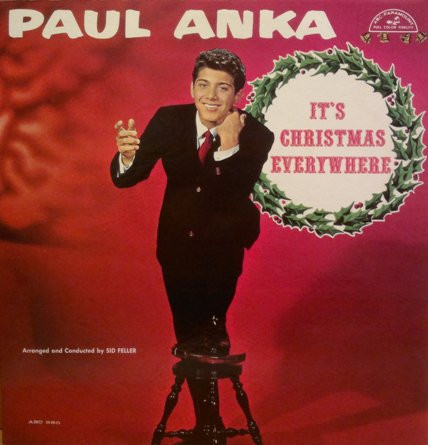
{"song_id": 10769623, "meaning": "Paul Anka's \"I Saw Mommy Kissing Santa Claus\" isn't just a saccharine Christmas carol; it's a miniature Freudian drama wrapped in holiday cheer. The song's power stems from its narrator: a child, whose innocent perspective clashes jarringly with the adult scene he witnesses. The lyrics cleverly tap into the anxieties of childhood, where the stability of the parental relationship is paramount. The image of 'Mommy kissing Santa Claus' undermines the child's understanding of fidelity and family structure, even if the reality is far less scandalous than his imagination conjures. This isn't simply about Santa; it's about the disruption of a child's perceived world order. It’s a glimpse into the burgeoning awareness of adult relationships, filtered through the lens of a child's limited understanding. The 'mistletoe' and 'snowy white beard' add to the surreal, dreamlike quality of the experience.
The humor in the song is undeniably dark. The child's innocent observation – 'What a laugh it would have been, if daddy had only seen' – masks a deeper unease. The potential for familial discord, even played for laughs, is palpable. The song skirts the edge of a child's nightmare: the unraveling of the family unit. This underlying tension is what elevates the song beyond simple holiday fluff. It’s a masterclass in using a child's perspective to highlight the complexities, and potential fragility, of adult relationships.
Ultimately, the song’s enduring appeal lies in its ability to trigger a primal sense of childhood wonder and, simultaneously, a knowing adult understanding of the complexities of love and relationships. The lyrics analysis reveals a narrative far richer than a simple Christmas scene; it's a study in perspective, perception, and the enduring power of childhood innocence confronting the adult world. The song touches on the anxieties of belonging, the fear of parental betrayal (however innocent), and the dawning realization that the world isn’t always as simple as it seems. It’s a Christmas classic precisely because it hints at something more profound."}
 View Artist