Song Meaning
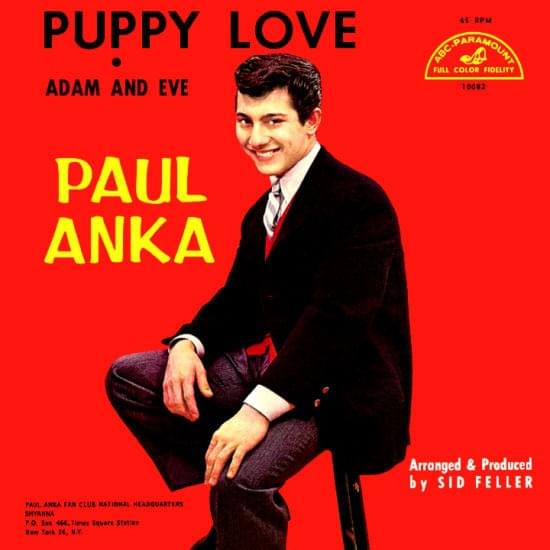
Paul Anka's "Puppy Love" isn't just a saccharine ode to teenage romance; it's a defiant scream against the condescension of adulthood. The song's core resides in the tension between the raw, unfiltered emotions of youth and the dismissive judgment of those who've supposedly 'seen it all.' Anka's protagonist isn't simply experiencing a fleeting crush; he's convinced this love is the real deal, a profound connection that adults, in their jaded cynicism, are too quick to trivialize. The repetition of "And they called it puppy love" becomes a desperate mantra, a plea for validation against a world that refuses to take his feelings seriously. It's a universal experience, that moment when youthful passion clashes against the brick wall of adult skepticism.
The lyrics expose a vulnerability that transcends the typical teenage angst. The line "I cry each night my tears for you, my tears are all in vain" reveals a depth of pain that belies the song's seemingly simple structure. It's not just about unrequited love; it's about the crushing realization that his emotions are being invalidated, deemed insignificant simply because of his age. The repeated cries for help, "Someone help me, help me, help me please," underscore the feeling of isolation, of being trapped in a situation where no one understands the gravity of his emotional state.
Ultimately, "Puppy Love" operates on two levels. On the surface, it's a classic teen ballad about the intensity of first love. But beneath that, it’s a poignant commentary on the power dynamics between generations, the struggle for recognition, and the inherent human need to have our feelings validated, regardless of our age. The song's enduring appeal lies in its ability to tap into that universal yearning for acceptance, reminding us that even the most seemingly naive emotions deserve to be treated with respect and empathy.
 View Artist