Song Meaning
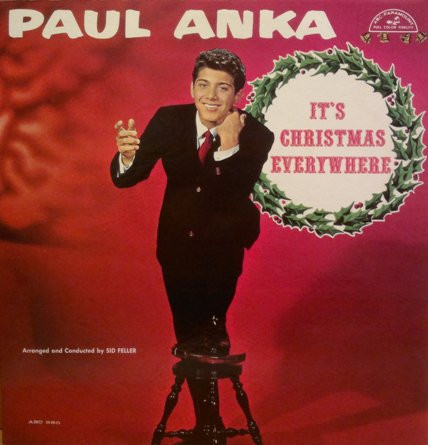
Paul Anka's rendition of "White Christmas," a holiday standard already steeped in nostalgia, layers a poignant sense of longing onto Irving Berlin's original sentiment. The song isn't simply about a picturesque, snowy Christmas; it's an explicit yearning for an idealized past, a psychological retreat to the comfort of childhood memories. The opening lines, "I'm dreaming of a white Christmas / Just like the ones I used to know," immediately establish this distance, the chasm between present reality and a remembered perfection. The glistening treetops and children listening for sleigh bells aren't just pleasant images; they're sensory triggers for a specific, deeply personal emotional state. Anka's interpretation, given his own history as a teen idol navigating the complexities of fame, perhaps underscores the universal desire to recapture a simpler time. The act of writing Christmas cards, repeated throughout the song, becomes a ritualistic attempt to project this idealized vision onto others, a shared hope for collective well-being rooted in a common, if somewhat illusory, past.
The lyrics themselves, while seemingly straightforward, carry a significant weight. The repeated wish for "days merry and bright" and "all your Christmases be white" moves beyond a simple greeting. The color white, often associated with purity and innocence, here symbolizes a sanitized, perhaps even unattainable, version of the holiday. The listener intuits a desire not just for snow, but for a Christmas free from the complexities and disappointments of adult life. It's a wish for emotional cleansing, a return to a state of untainted joy. Anka's vocal delivery, typically smooth and polished, adds another layer of interpretation. The elegance in his voice further enhances the dreamlike quality of the song, presenting a world that is both familiar and just slightly out of reach.
Ultimately, the enduring appeal of "White Christmas," especially in Anka's version, lies in its acknowledgement of the bittersweet nature of memory. The song doesn't deny the present, but instead uses the imagined past as a source of comfort and aspiration. It speaks to the human need for connection, for shared experiences, and for the hope that even in the face of change, some things – like the magic of a white Christmas – can endure, at least in our dreams.
 View Artist