Song Meaning
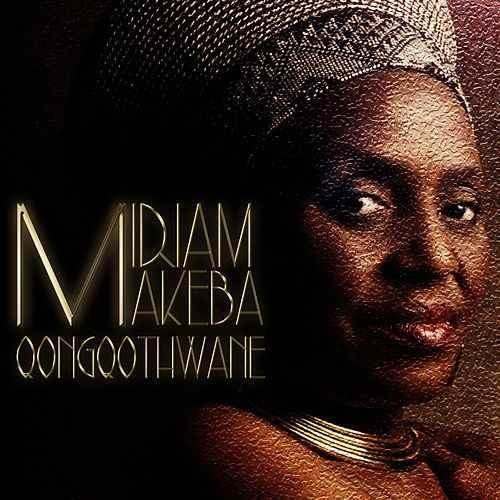
Miriam Makeba's "Unscathed" isn't just a song; it's a haunting echo of resilience emerging from the depths of despair. The lyrics, sung in Xhosa, paint a vivid yet unsettling picture. The repetition of phrases creates a hypnotic effect, drawing the listener into a landscape where beauty and devastation intertwine. The central image is a voice emanating from 'kwelotyholo' (the bush), beckoning the singer closer. This voice, initially described with sounds of pleasant melody ('thili thili thili,' 'ntyilo ntyilo yimmandi lontsholo'), quickly reveals a stark message: 'ilizwe lifile' – the land is dead. This is not a literal death, but a symbolic one, likely reflecting the political and social wounds inflicted upon South Africa during apartheid. The sweetness of the initial sounds, contrasted with the declaration of death, suggests a complex emotional state – perhaps a simultaneous mourning and defiant hope.
The appearance of the figure 'Wayembethe iingubo ezimhlophe / Wayembethe neengubo ezibomvu' (dressed in white clothes/dressed in red clothes) further enriches the song's symbolism. White often represents purity, mourning, or spirituality, while red can signify blood, passion, or revolution. This figure, draped in both colors, embodies the multifaceted experience of a people grappling with immense suffering and the will to overcome it. The figure's message is consistent with the initial voice; it reiterates the death of the land, embedding the theme of loss deep within the listener's consciousness. It’s not an angry protest, but a lament, a reckoning, a quiet articulation of pain that lingers long after the song ends.
"Unscathed," therefore, is not a declaration of victory, but an acknowledgement of survival. The title itself gains resonance through the music. While the land may be dead, the spirit of the people remains unbroken. Makeba's delivery, imbued with her characteristic blend of strength and vulnerability, reinforces this interpretation. The song's power lies in its ability to hold space for both grief and hope, creating a sonic tapestry that reflects the complex emotional landscape of a nation scarred but not defeated. The repeated melodic phrases serve as a kind of mantra, a reaffirmation of life in the face of death, a quiet but insistent refusal to be consumed by despair.
 View Artist