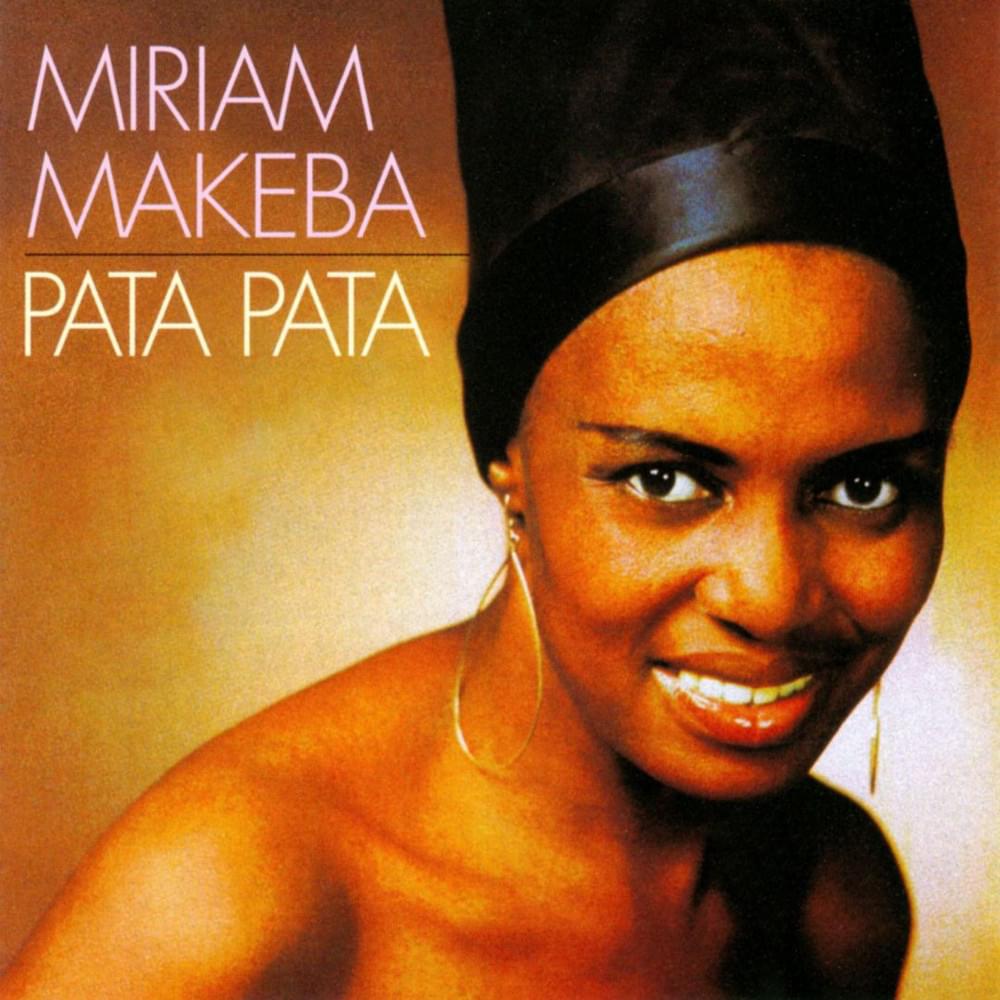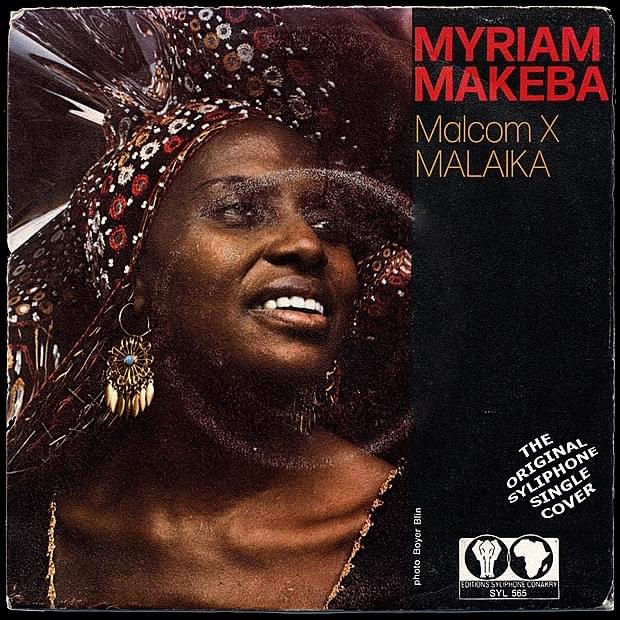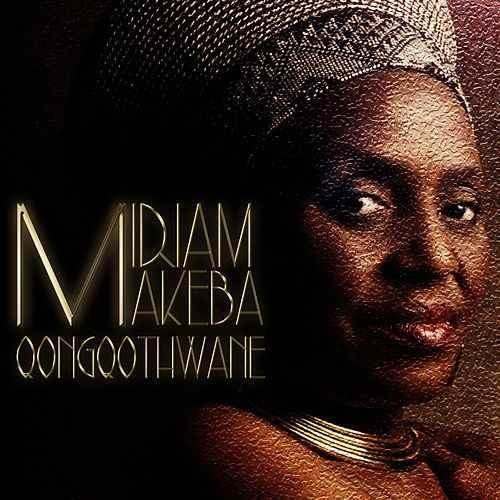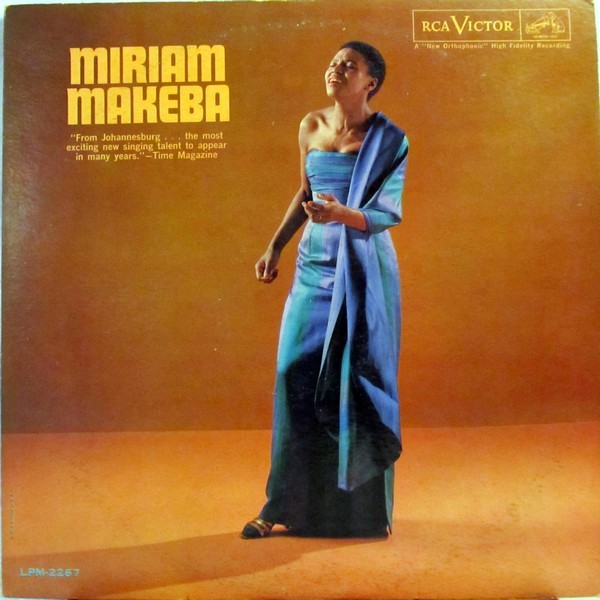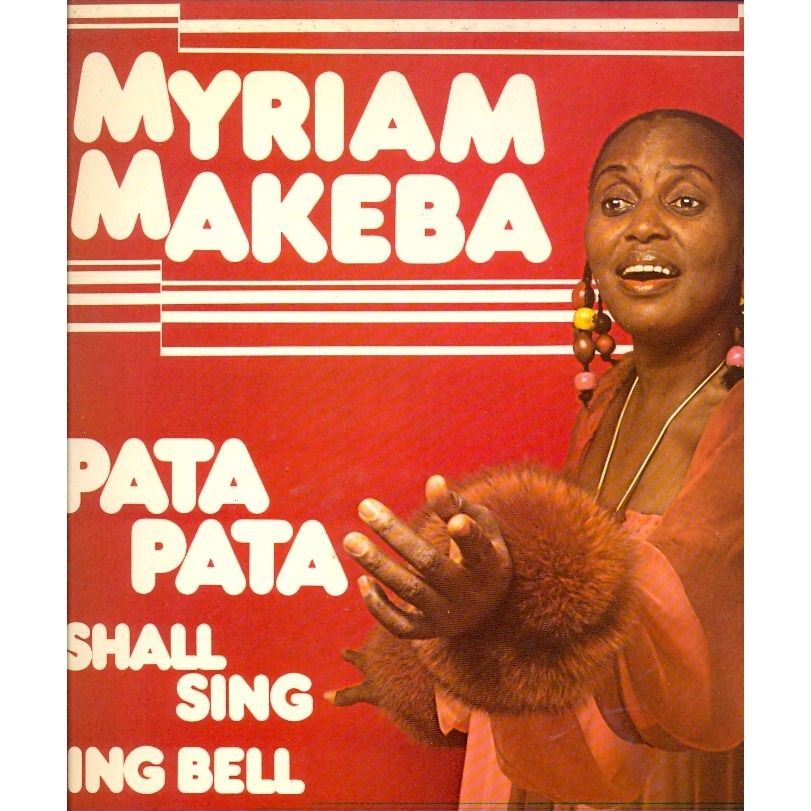
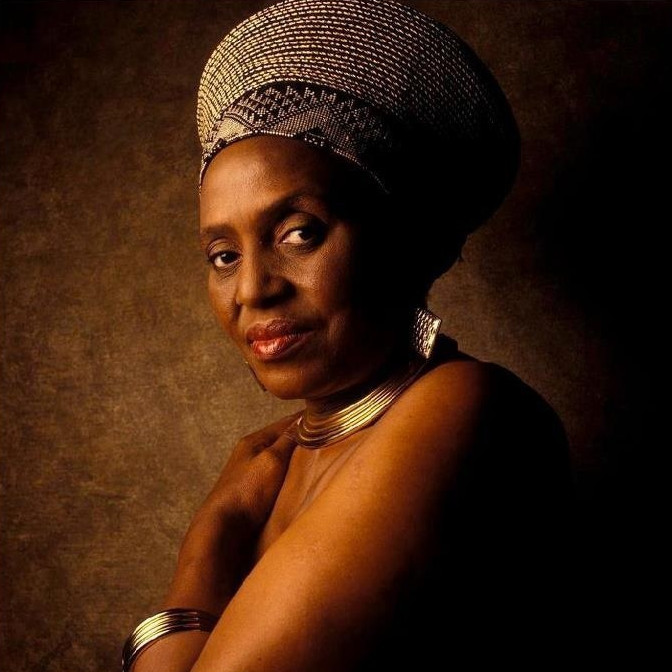
Photo of Miriam Makeba

Miriam Makeba

32.1K Listeners

Artist Bio

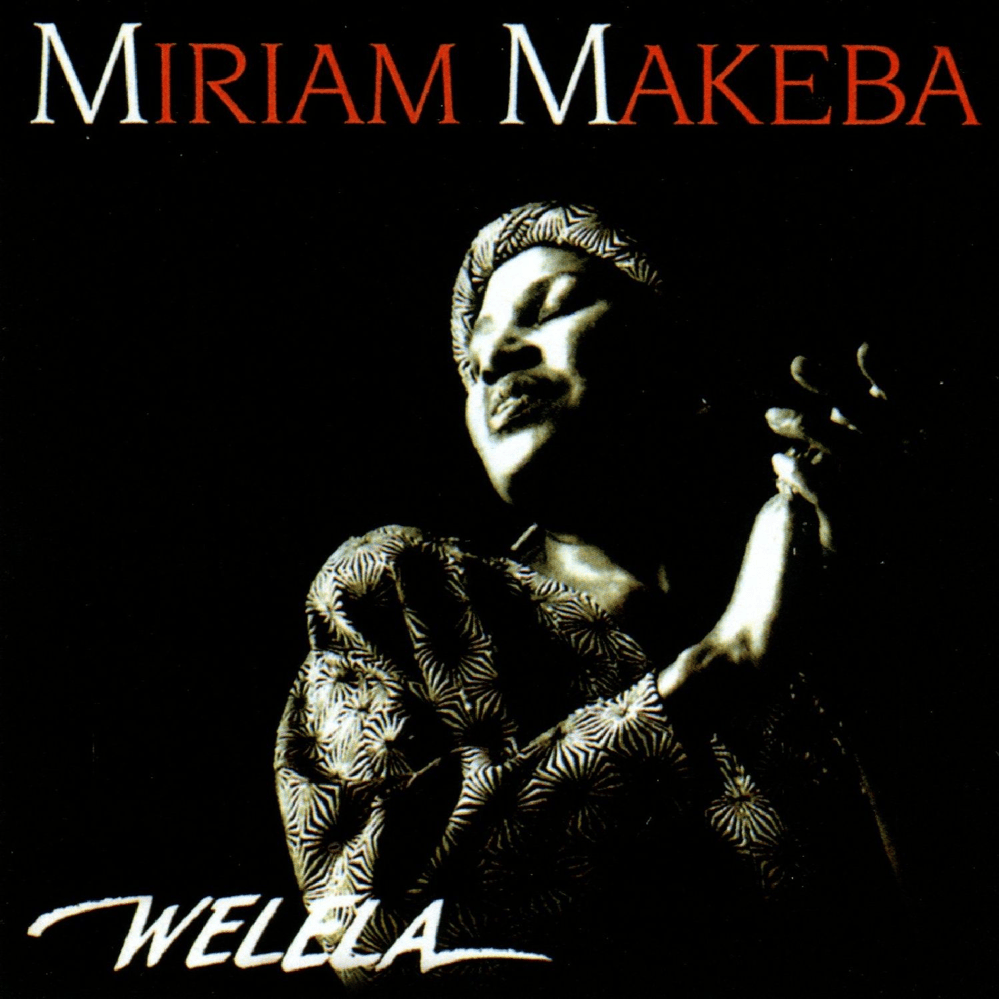
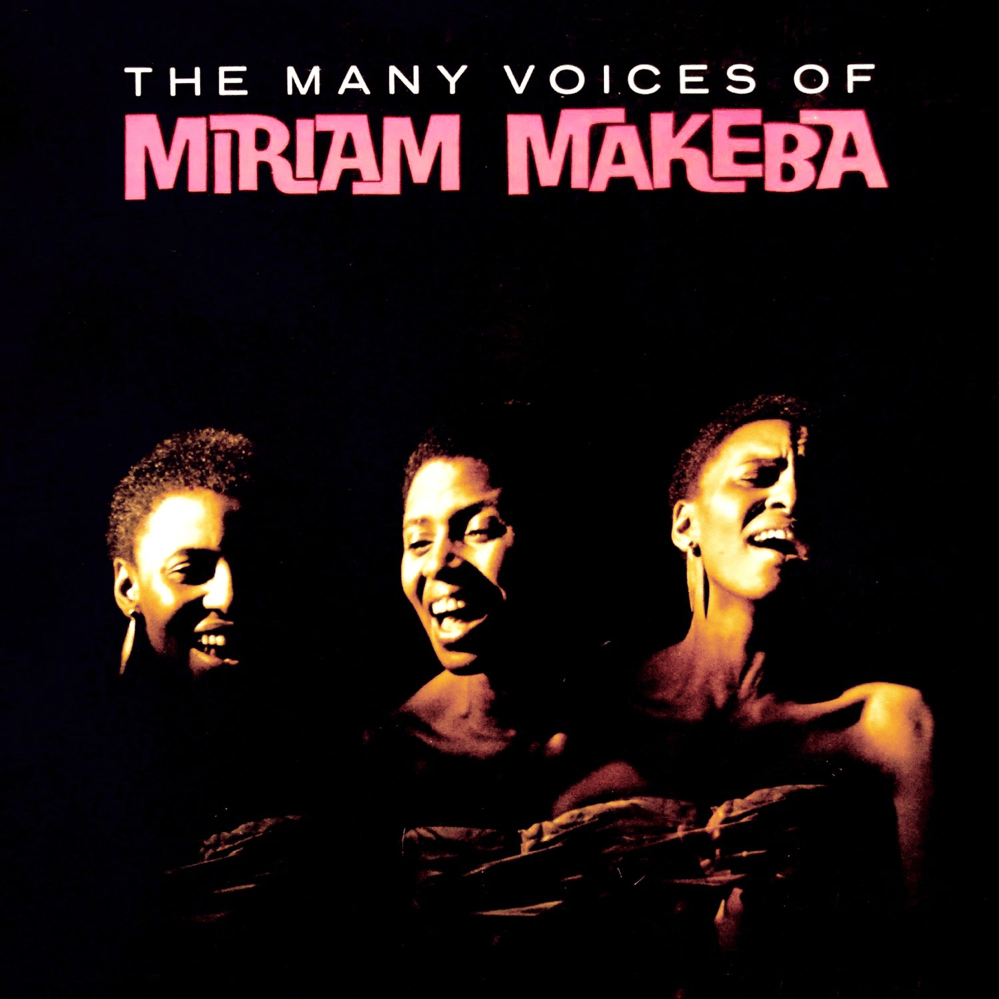
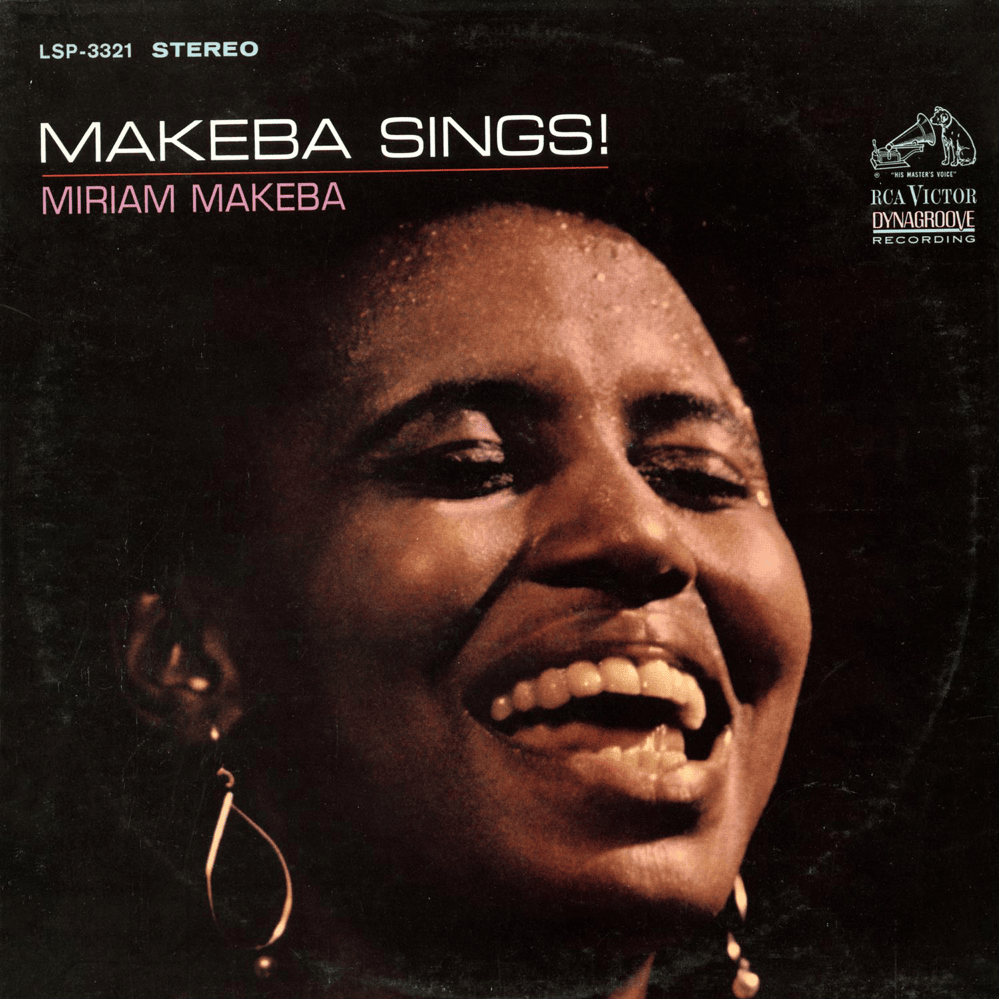
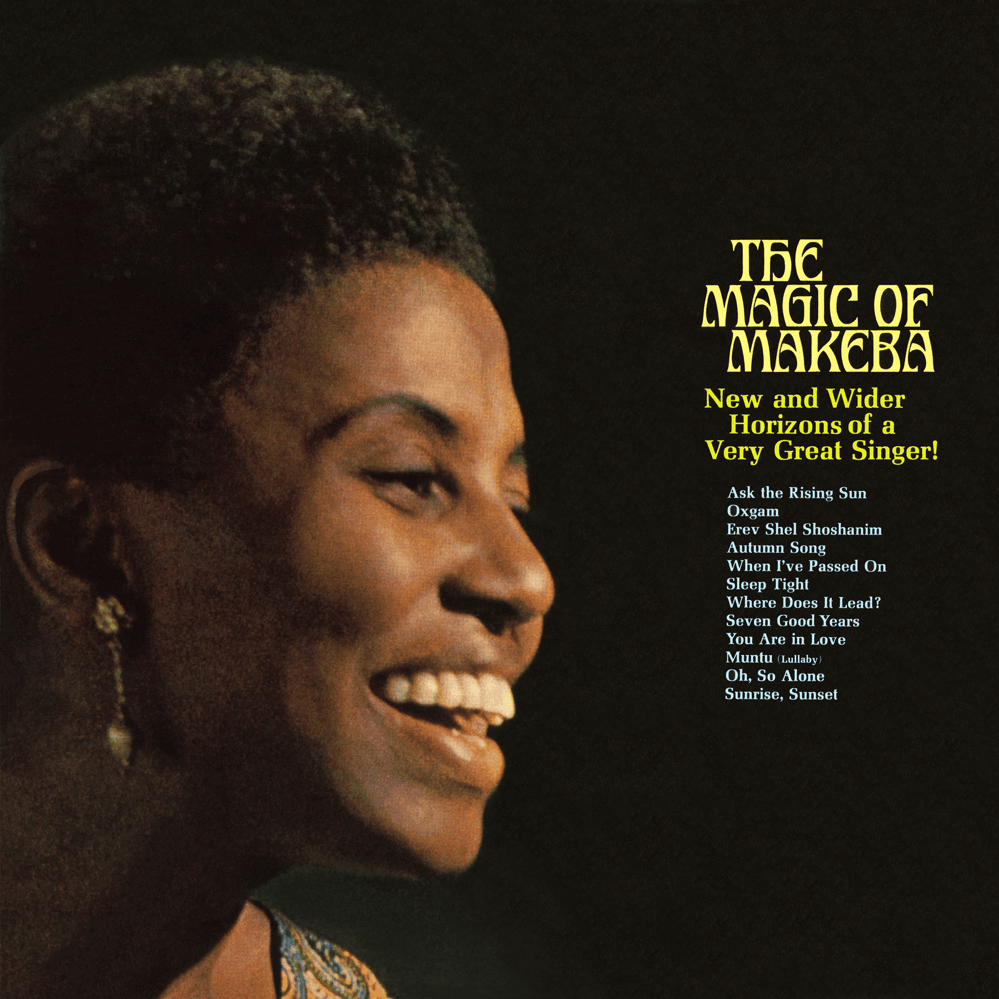
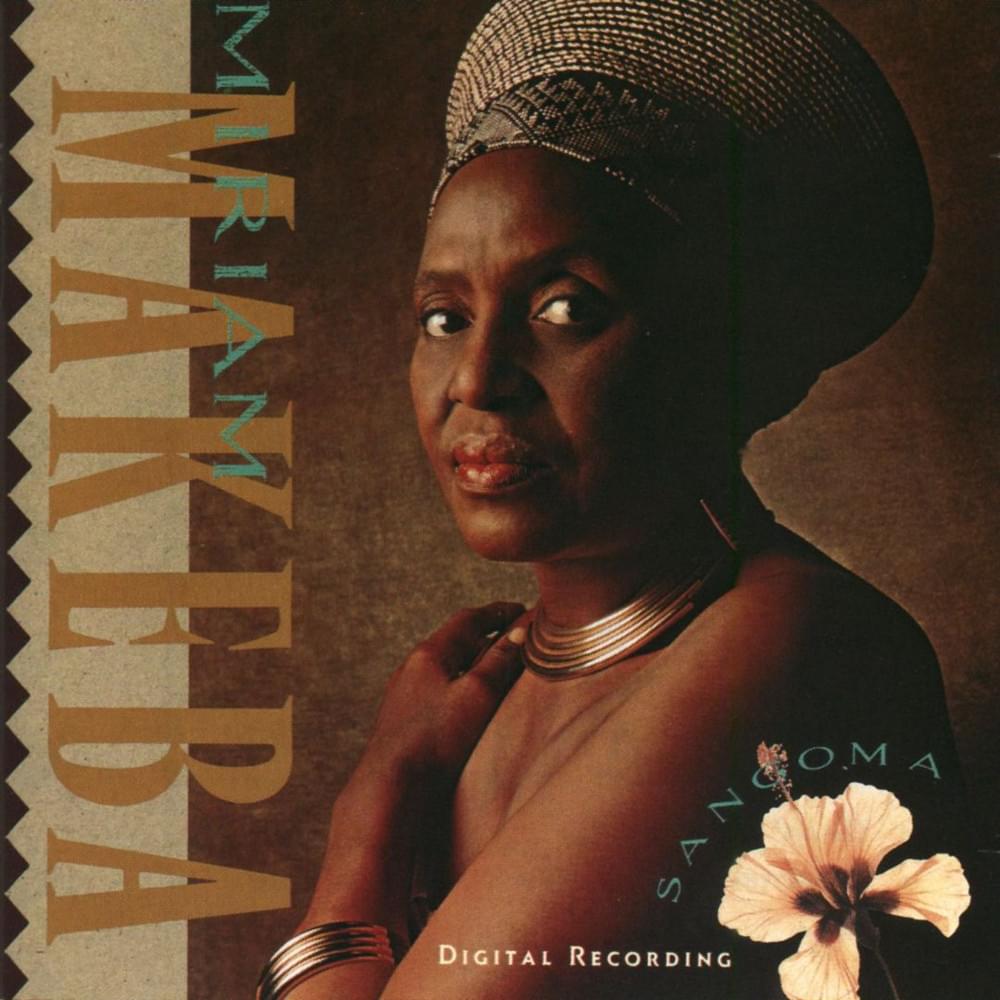
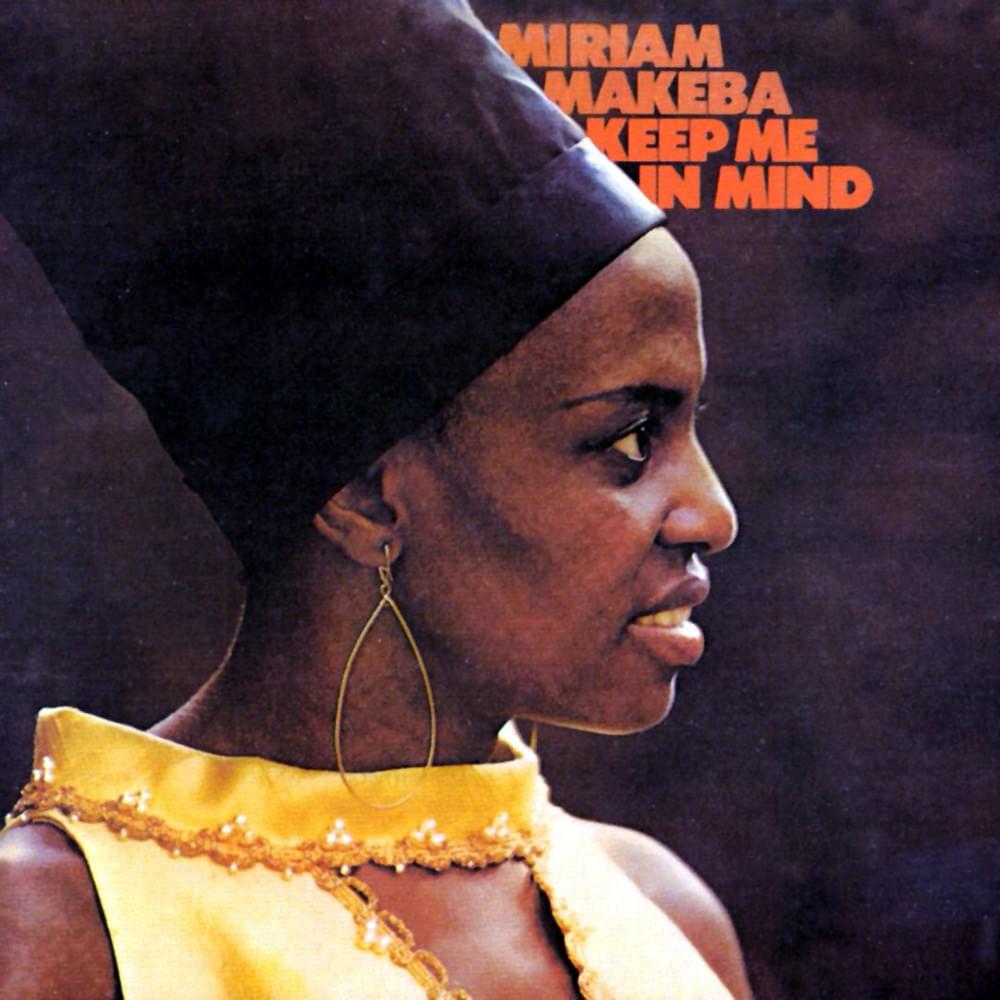
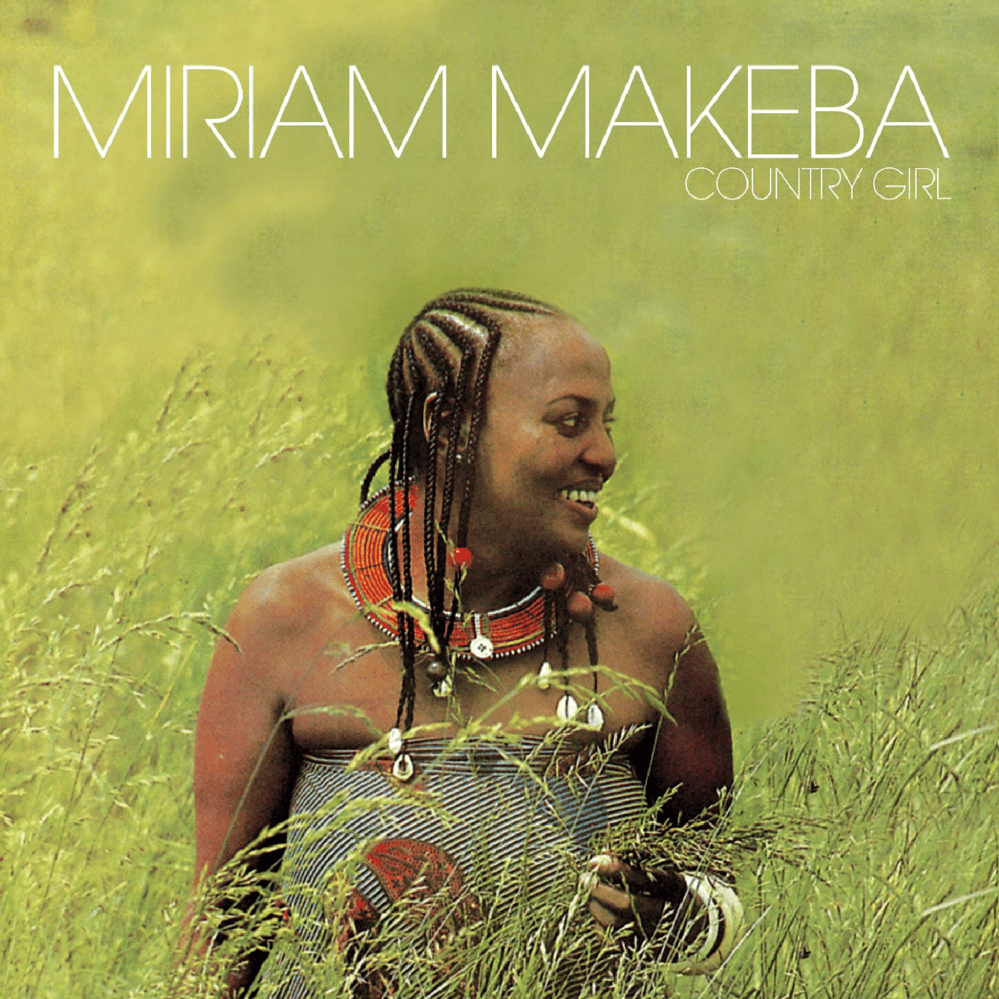
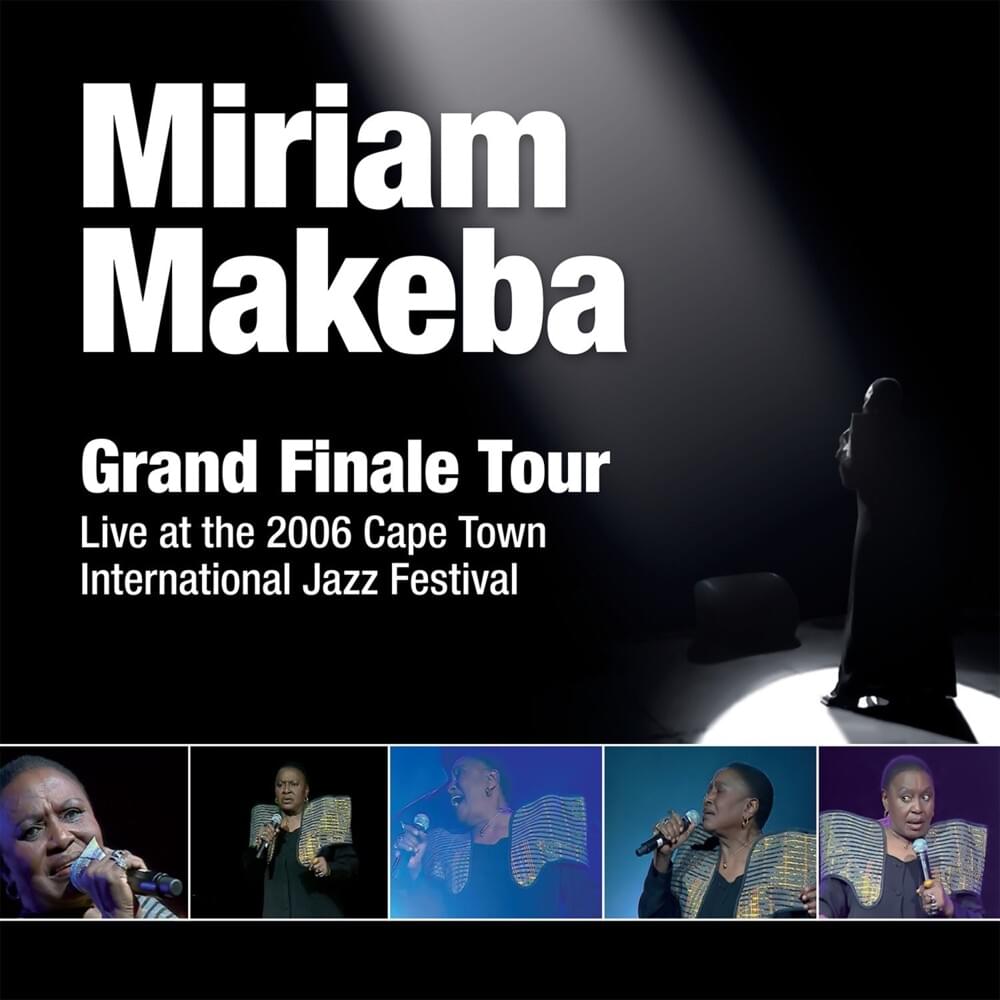
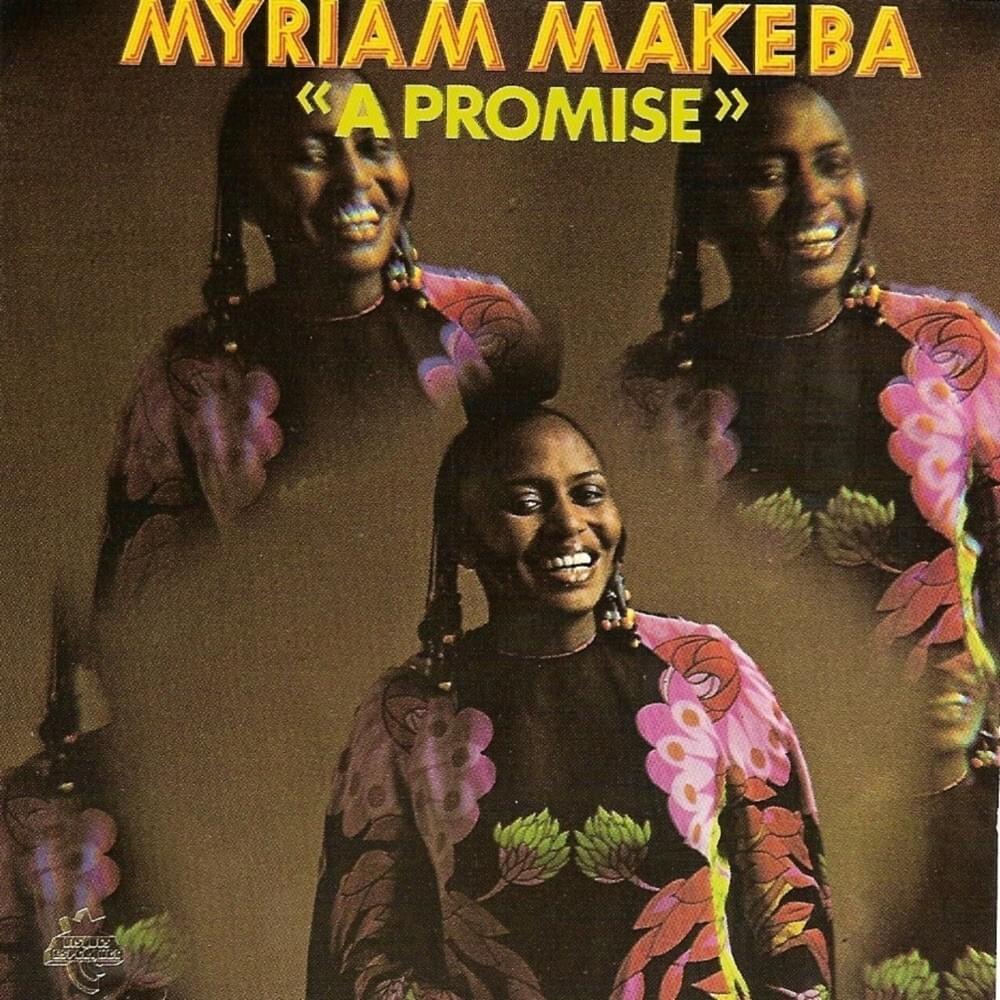
Miriam Makeba, affectionately known as "Mama Africa," was more than just a singer; she was a symbol of hope, resistance, and the unifying power of music. Born in Johannesburg, South Africa, in 1932, her journey began amidst the harsh realities of apartheid, a system that would profoundly shape her life and career. Makeba's extraordinary vocal talent was evident early on, leading her to sing with local groups like the Cuban Brothers and the Manhattan Brothers. However, it was her performance in the anti-apartheid documentary "Come Back, Africa" in 1959 that catapulted her onto the international stage. Her exile from South Africa began shortly thereafter, a consequence of the government's disapproval of her outspoken criticism and her growing international recognition. This exile, lasting over 30 years, fueled her commitment to fighting for equality and justice through her music. Makeba’s music became a powerful voice against oppression, resonating with audiences worldwide. She fearlessly used her platform to speak out against apartheid, bringing the struggle of her people to the attention of the global community. Makeba’s repertoire was diverse, encompassing traditional South African songs, jazz standards, and original compositions. Her signature blend of Xhosa, Zulu, and English captivated listeners, while her powerful stage presence and emotive delivery left an indelible mark. Some of her most memorable songs include the infectious Pata Pata, a global hit that transcended language barriers, and the poignant A Piece of Ground, a testament to her deep connection to her homeland. She often infused her performances with traditional elements, as heard in Baxabene Oxamu. Beyond her musical contributions, Makeba was a dedicated humanitarian, working tirelessly to support various causes, including children's rights and HIV/AIDS awareness. Her activism extended beyond her songs, as she used her influence to advocate for social change and inspire others to stand up against injustice. She was also known for her renditions of songs promoting peace, such as Shawarma Ve’Dimah - שווארמה ודמעה. Miriam Makeba's legacy extends far beyond her musical achievements. She was a cultural icon, a political activist, and a symbol of resilience. Her music continues to inspire and uplift, reminding us of the power of art to transcend borders and unite people in the pursuit of justice and equality. Songs like Kulo Nyaka serve as a reminder of her powerful and enduring impact on the world stage.

Popular Albums

Popular Songs

Reviews

Comments

Questions & Answers

Music Awards

0 Total

No Music Awards Found