Song Meaning
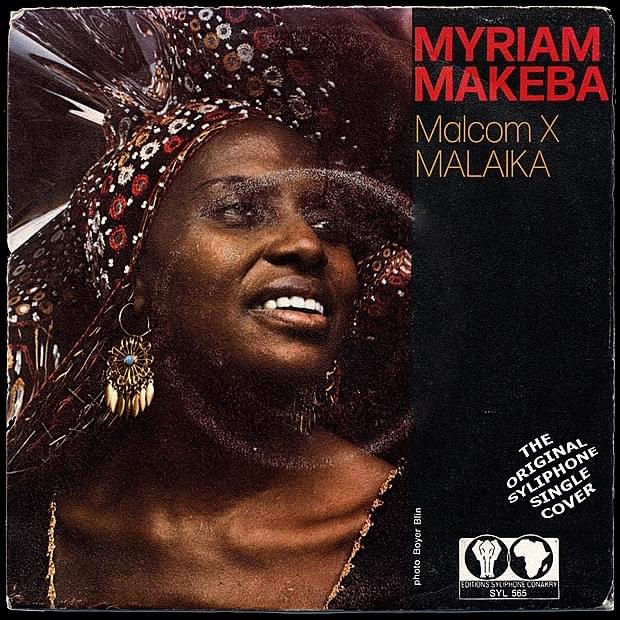
{"song_id": 11113729, "meaning": "Miriam Makeba's \"Malaika\" isn't just a song; it's a poignant snapshot of longing filtered through the lens of economic disparity. The Swahili lyrics, deceptively simple, reveal a deep undercurrent of heartbreak. \"Malaika, nakupenda Malaika\"—Angel, I love you, Angel—is the repeated plea, a declaration of affection directed towards an idealized woman. But this isn't a straightforward love song; the singer's poverty casts a long shadow over his desires. The line \"Nashindwa na mali sina we\" (I am defeated because I have no wealth) is the crux of the song's meaning. It's an admission of inadequacy in a world where love is often entangled with material possessions.
The raw honesty in Makeba's delivery elevates the song beyond a mere lament. It touches upon the universal feeling of being unworthy, of lacking the necessary resources to attain happiness or the affection of another. The repetition of \"Pesa zasumbua roho yangu\" (Money troubles my soul) underscores the psychological weight of financial insecurity. It's not just about the inability to provide; it's about the internal torment, the anxiety that gnaws at the spirit. The singer recognizes that wealth is often a prerequisite for marriage, singing \"Ningekuoa mali we, ningekuoa dada\" (I would marry you if I had wealth, I would marry you, sister). The song subtly critiques a society where economic status dictates romantic possibility.
\"Malaika\" resonates because it taps into the vulnerabilities we all share. It's a reminder that love, in its purest form, shouldn't be contingent upon financial standing, yet the reality is often far more complicated. Makeba's performance imbues the song with both sadness and resilience. The beauty of the melody and the simplicity of the lyrics create a powerful contrast with the underlying message about the constraints of poverty and the yearning for a love that transcends material limitations. The song's meaning lingers long after the final note fades, prompting reflection on the true value of human connection in an often-unequal world."}
 View Artist