Song Meaning
{"song_id": 11113571, "meaning": "Miriam Makeba's \"Lakutshn Ilanga\" is a deceptively simple song, its cyclical structure and repetitive lyrics belying a profound depth of longing and searching. The title phrase, \"Lakutshn' ilanga,\" meaning \"When the sun sets,\" establishes a temporal marker—a time of return, of completion. This sunset isn't just a visual phenomenon; it’s a symbolic closing of a circle, a promise of reunion. The return of the cattle (\"Zakubuyi inkomo\") reinforces this theme, evoking images of homecoming and the end of a day's labor. The singer's contemplation (\"Ndakucinga ngawe\") anchors the song in personal reflection, suggesting that this return is not just physical, but emotional and spiritual.
The verses expand the scope of this longing. The appearance of the moon (\"Yakuvel' iminyanga\") across the sea introduces a sense of distance and the vastness of the search. The birds returning (\"Zakubuy' imtaka\") echo the initial motif of homecoming, yet the speaker's search intensifies. The lyrics describe a relentless pursuit (\"Ndiyo hamba ndikufuna\") through roads, streets, and even a hospital, underscoring the desperation and urgency of the search. This isn't a casual yearning; it's a deep, almost primal need to find the object of affection.
Ultimately, \"Lakutshn Ilanga\" transcends a simple love song. It's a meditation on time, absence, and the enduring human need for connection. The cyclical nature of the lyrics, returning to the sunset and the cattle, creates a sense of both hope and resignation. The sun will set, the cattle will return, and the singer will continue to search, driven by an unwavering hope that one day, the cycle will be complete, and the longing will be fulfilled. Makeba's delivery, imbued with both strength and vulnerability, amplifies the emotional core of the song, making it a timeless exploration of the human condition."}
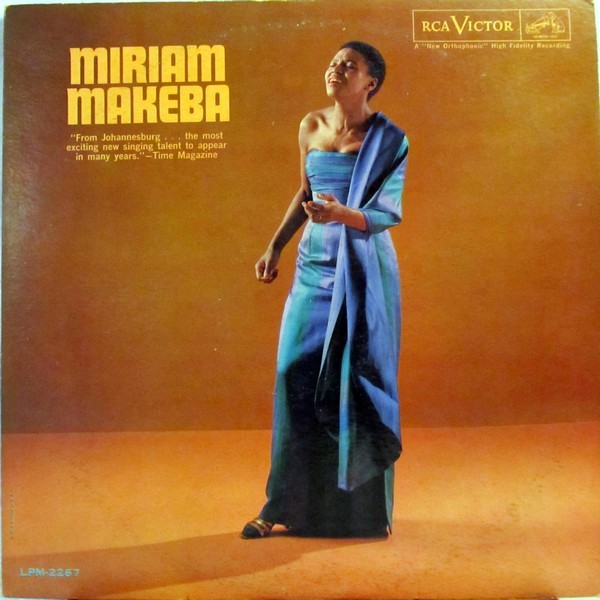
 View Artist