Song Meaning
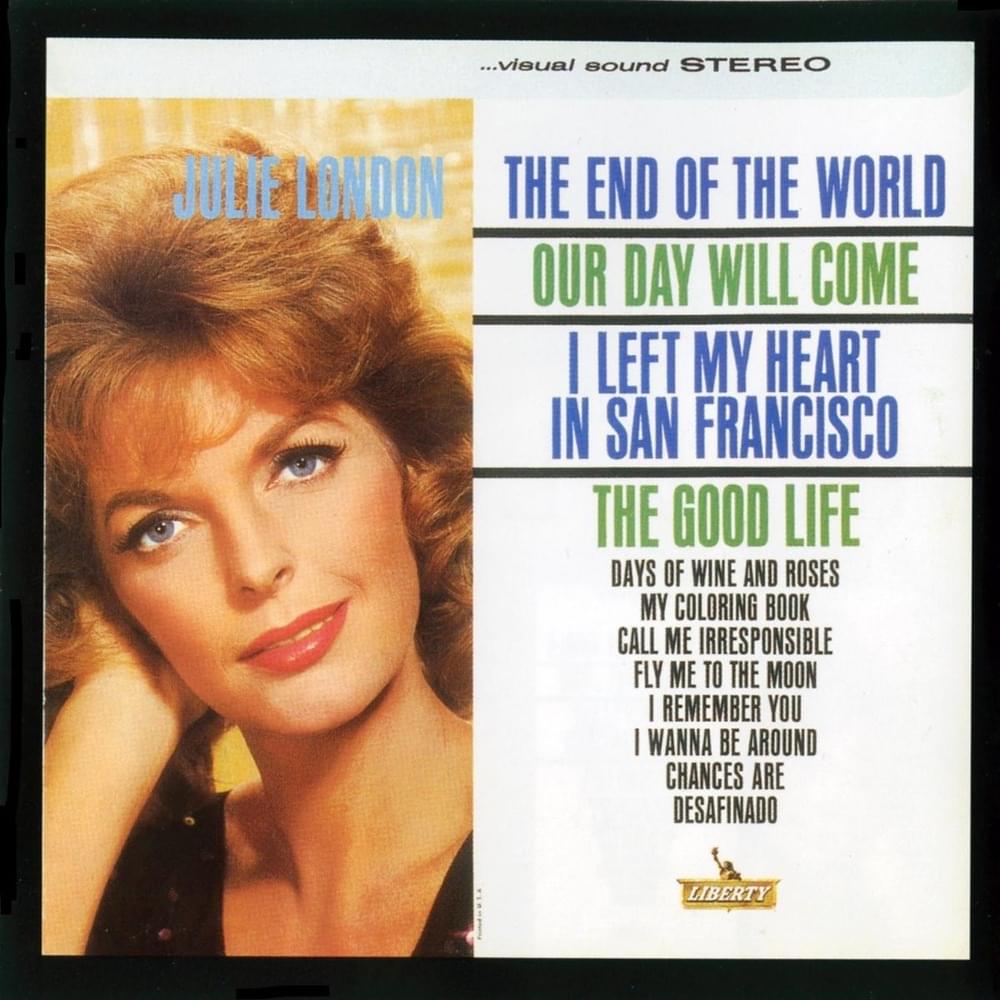
Julie London's rendition of "The Good Life" isn't a celebration of excess; it's a melancholic sigh in a smoky room, a portrait of quiet desperation masked by the dim glow of a nightclub. The song's repetitive structure and almost conversational delivery underscore the cyclical nature of the narrator's existence. The lyrics paint a picture of someone caught in the undertow of the 'night life,' fully aware that it 'ain't no good life,' yet inextricably bound to it. This isn't a rebellion; it's a resignation, a weary acceptance of a reality that falls far short of the idealized 'good life.'
The emotional core of the song lies in the contrast between aspiration and actuality. The 'evenin' sun goes down,' signaling not the start of leisure or pleasure, but the beginning of another round of the same tired routine. The 'broken dreams' mentioned aren't just personal failures; they represent a collective disillusionment, a shared understanding among the 'many people just like me' who populate this nocturnal world. The blues music itself acts as a Greek chorus, amplifying the pervasive sense of longing and regret. London's interpretation avoids histrionics, instead offering a study in understated pathos.
Ultimately, the song's meaning resides in its stark simplicity. The refrain, 'it ain't no good life, but it's my life,' is not a defiant declaration of independence but a quiet acknowledgment of limited choices. It's the sound of someone making peace with their circumstances, not because they are content, but because they lack the energy or opportunity to change them. London's subtle vocal inflections bring layers of meaning to the lyrics, transforming what could be a simple lament into a complex exploration of human adaptation and the enduring power of habit.
 View Artist