Song Meaning
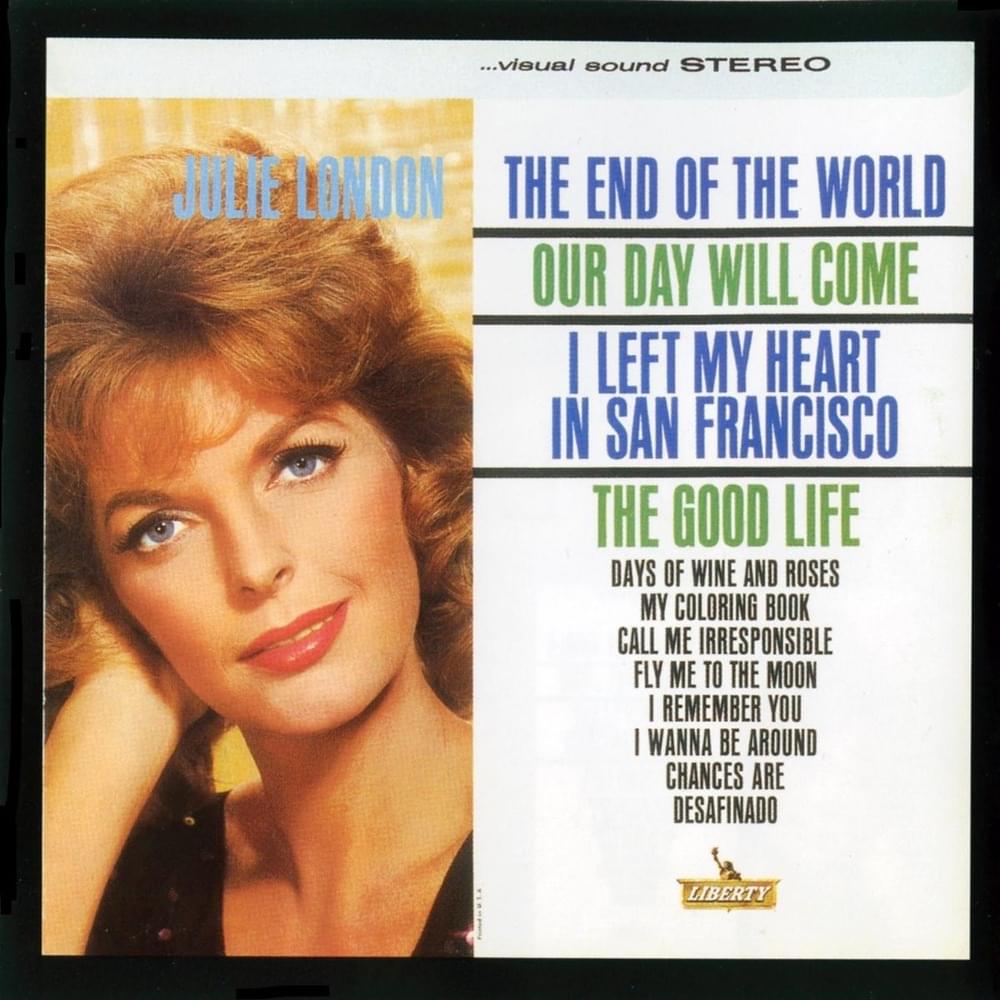
Julie London's "My Coloring Book" isn't just a song; it's a masterclass in emotional minimalism, a devastating portrait painted with the quietest of strokes. The coloring book metaphor, on its surface, seems almost childlike, a naive attempt to process overwhelming feelings. But that's precisely where its power lies. It invites us into a world of raw vulnerability, where the speaker attempts to regain control over a narrative that's spiraling out of her grasp. The act of coloring, typically associated with joy and creation, becomes an act of mourning and stark acceptance. She's not creating; she's labeling, defining her pain with a precision that's both heartbreaking and unsettling. The listener becomes complicit, invited to witness the slow, deliberate dismantling of hope.
The color choices themselves are deeply symbolic, almost cliché, but that's the point. Grey for the eyes that watched him leave, blue for the heart betrayed—these are the colors of textbook sadness. But London's delivery elevates them beyond sentimentality. There's a weary resignation in her voice, a sense that she's already exhausted every other possible emotion. The "empty" eyes are perhaps the most chilling, suggesting a complete emotional evacuation. And then, the green beads, a flash of envy and perhaps a recognition of her own displacement. It's not just about lost love; it's about the insidious way jealousy can consume a person.
The final verse, "This is the man...color him gone," is the ultimate surrender. It's a stark admission of defeat, a final act of erasure. There's no anger, no bitterness, just a profound sense of absence. "My Coloring Book," through Julie London's interpretation, is a study in how we try to make sense of loss, how we attempt to compartmentalize our pain into manageable pieces. It's a reminder that sometimes, the most profound emotions are best expressed not through grand gestures, but through the quiet act of coloring within the lines of our own personal tragedy. The song meaning resides in the contrast between the childish metaphor and the adult heartbreak.
 View Artist