Song Meaning
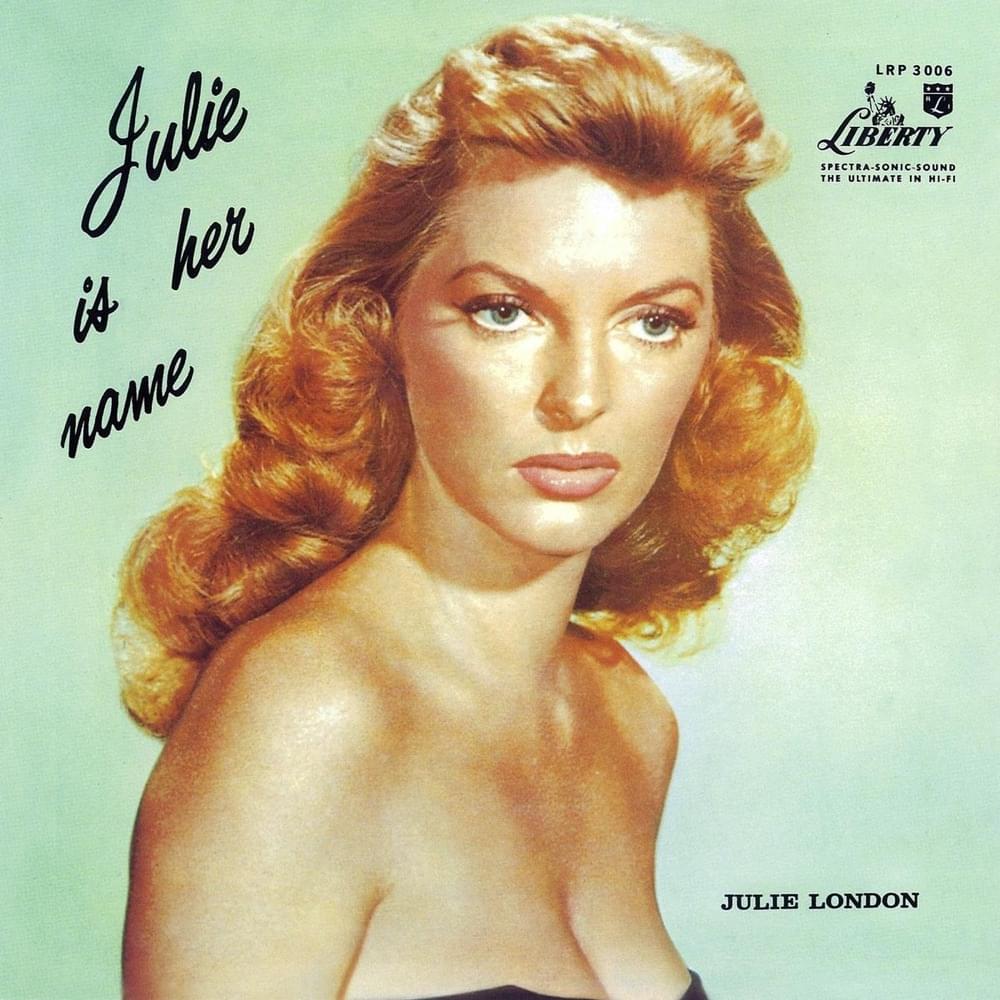
{"song_id": 14915633, "meaning": "Julie London's \"No Moon at All\" isn't just a breezy jazz standard; it’s a masterclass in psychological projection, swathed in the velvet darkness of a clandestine encounter. The song's surface simplicity—the repeated refrain of \"No moon at all\"—belies a deeper exploration of how external conditions are molded to justify internal desires. The absent moon, dimmed lightning bugs, and vanished stars aren't merely atmospheric details; they're symbolic voids, convenient excuses for abandoning restraint. It's the perfect Freudian slip, where the lack of natural light becomes a permissive backdrop for impulse. London's delivery, breathy and intimate, further reinforces the sense of complicity, as if she's inviting the listener into a shared secret. The darkness isn't frightening; it's an accomplice.
The lyrics suggest a deliberate reframing of reality. \"This is nothing like they told us of,\" London croons, dismissing conventional romantic narratives that rely on idealized moonlight and predictable tropes. Instead, she embraces the unexpected, the unconventional, finding liberation in the absence of established norms. The absence of the moon becomes a metaphor for the absence of societal expectations, allowing for a more authentic, albeit perhaps fleeting, connection. The mention of 'Fido' being afraid to bark adds a touch of humor, subtly acknowledging the slightly transgressive nature of the encounter, as even the most loyal watchdog senses something unusual is afoot.
Ultimately, \"No Moon at All\" is a celebration of subjective experience. The song meaning hinges on the idea that we often create our own realities, using external circumstances to validate pre-existing emotional states. The darkness provides cover, but it's the internal desire that truly drives the action. The song is a reminder that sometimes, the most profound moments occur not under the illuminating glow of societal approval, but in the shadows, where vulnerability and authenticity can flourish. The repeated insistence that 'tonight is right' underscores the power of suggestion and the willingness to embrace the moment, regardless of external validation."}
 View Artist