Julie London, born Gayle Peck in Santa Rosa, California, was more than just a singer; she was an embodiment of mid-century cool. Her voice, a smoky alto, possessed an intimacy that drew listeners into a world of whispered confessions and late-night longing. While often categorized as a jazz vocalist, London's appeal transcended genre, firmly placing her in the realm of pop culture icon. She wasn't a belter; her power lay in restraint, in the spaces between the notes, in the way she could imbue a lyric with a potent mix of vulnerability and world-weariness.
London's journey to stardom began in Hollywood, where she initially worked as an actress. However, her passion for singing soon took center stage. Discovered by talent scout John Mandel, she began performing in local clubs, honing her distinctive style. Her breakthrough came with the release of "Cry Me a River" in 1955, a song that catapulted her to international fame. That signature tune perfectly showcased her ability to convey profound emotion with understated elegance.
Beyond her signature song, London's discography is a treasure trove of carefully curated standards and lesser-known gems. She had a knack for interpreting classics, making them her own through her unique phrasing and emotional depth. Consider her rendition of Love for Sale, where she transforms the Cole Porter classic into a haunting reflection on the commodification of affection. Or, the playful yet knowing delivery she brings to My Heart Belongs to Daddy, showcasing her range of interpretation.
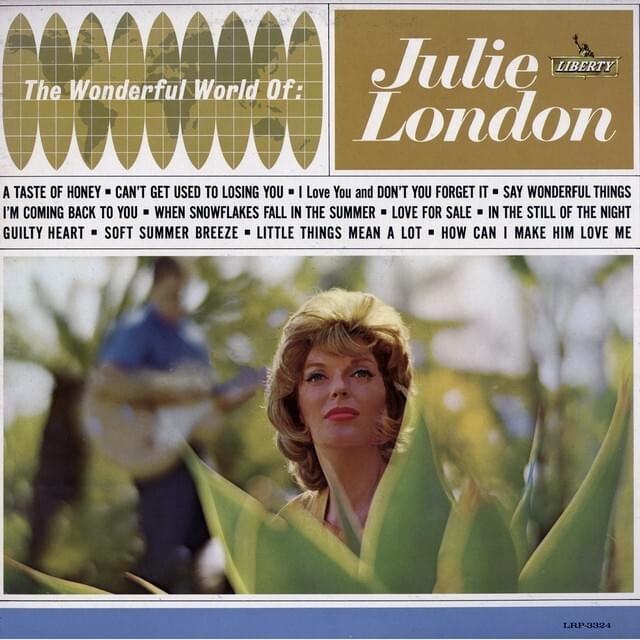
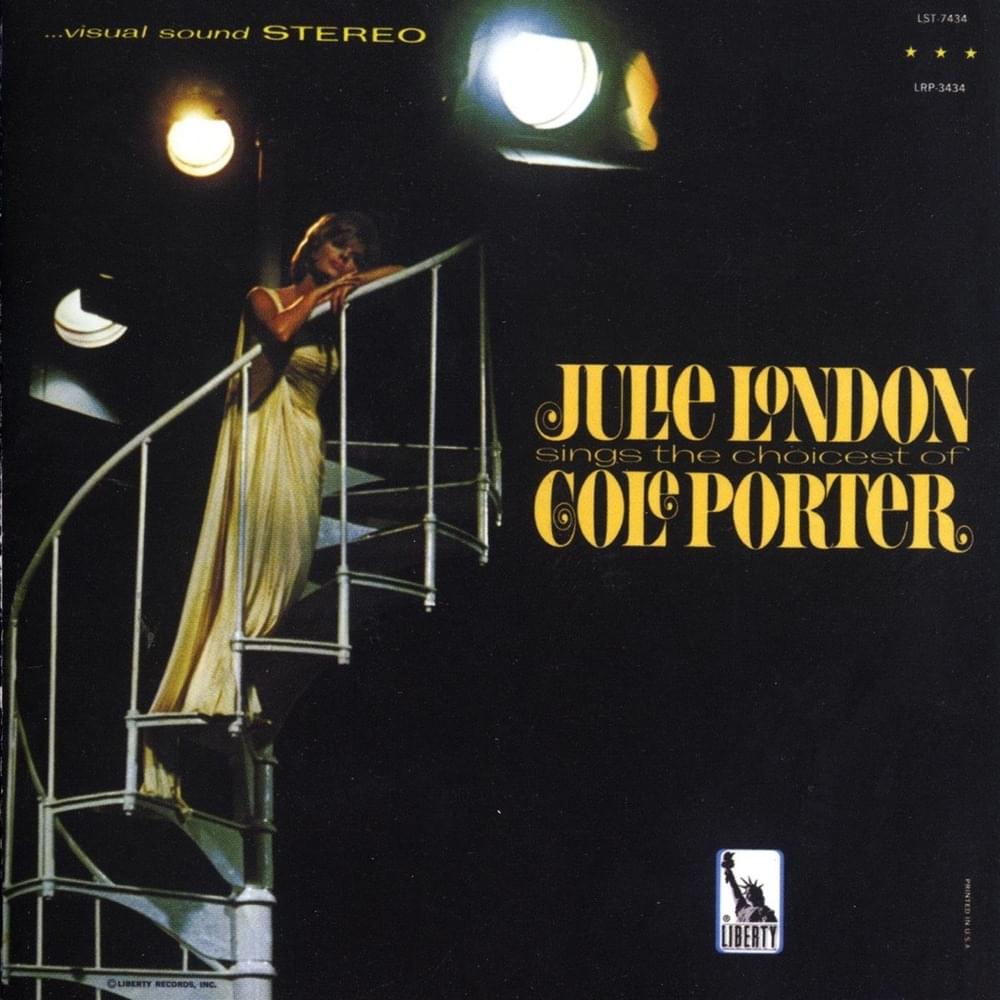
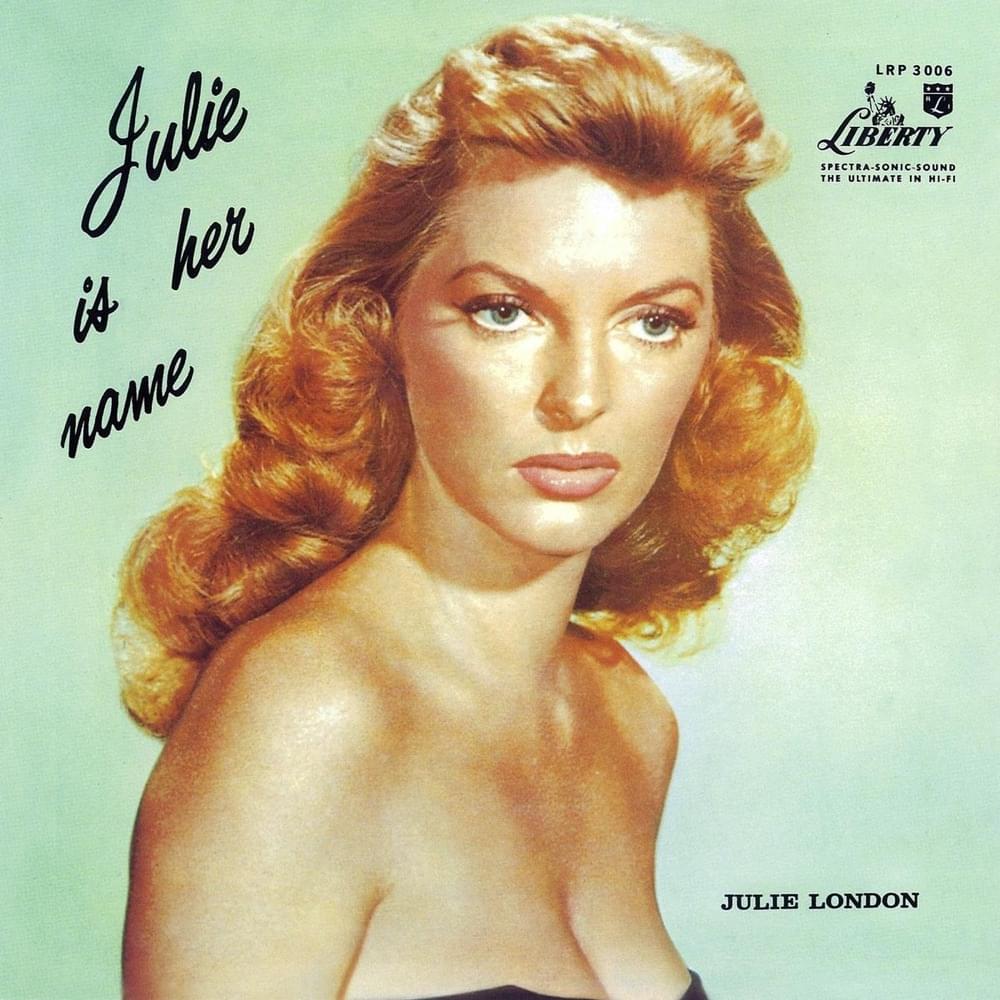
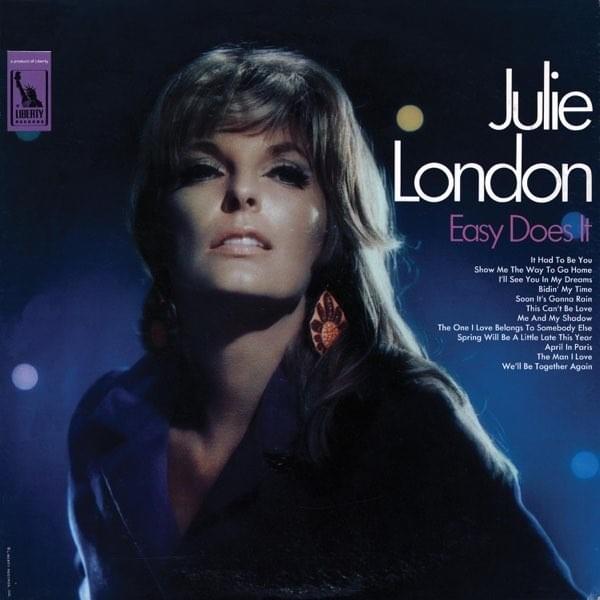
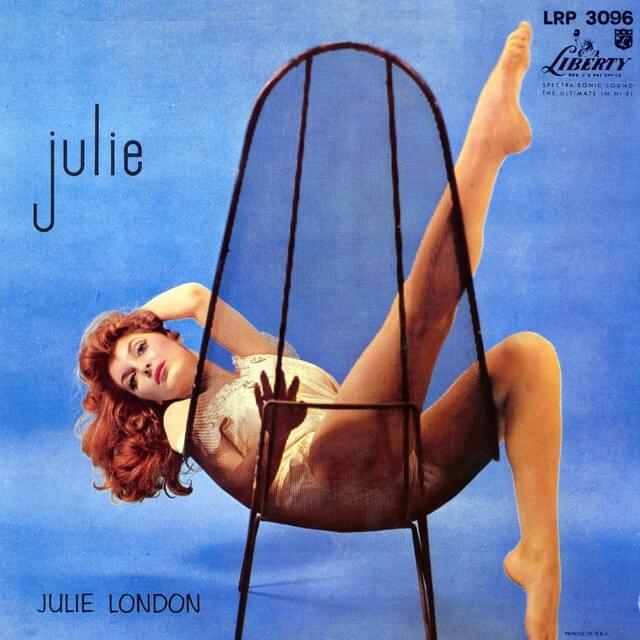
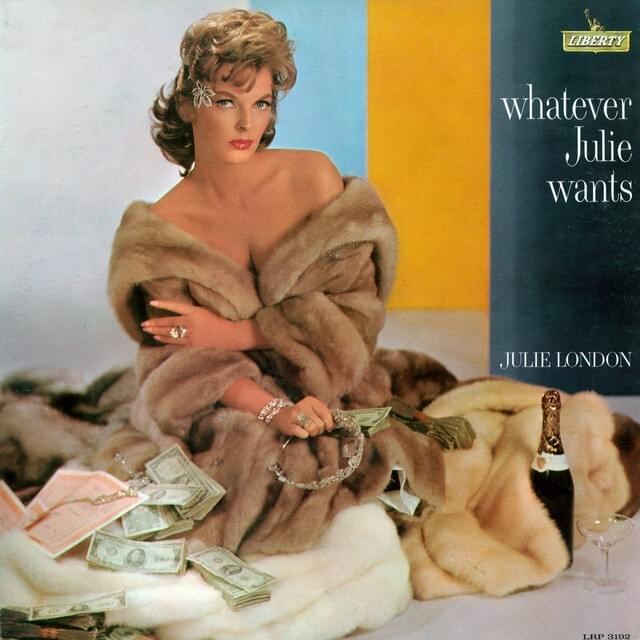
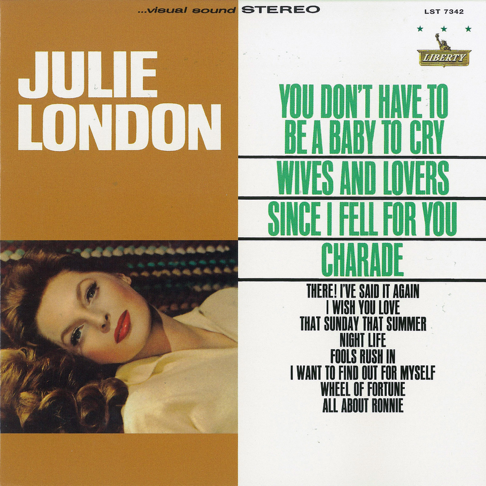
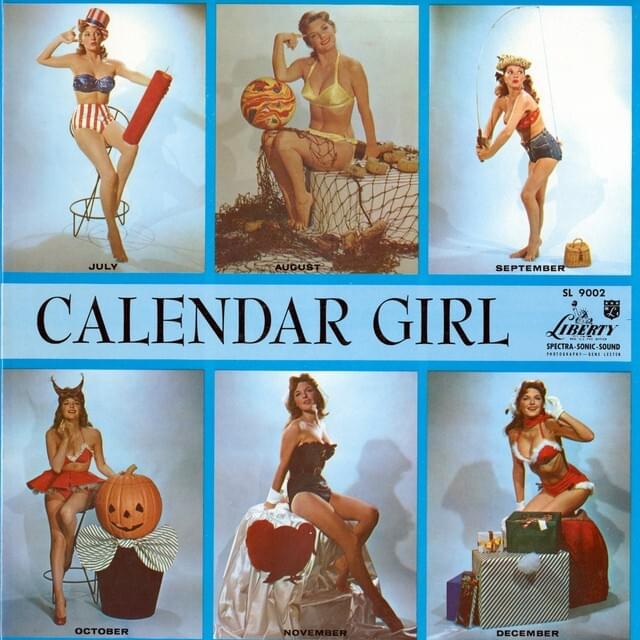
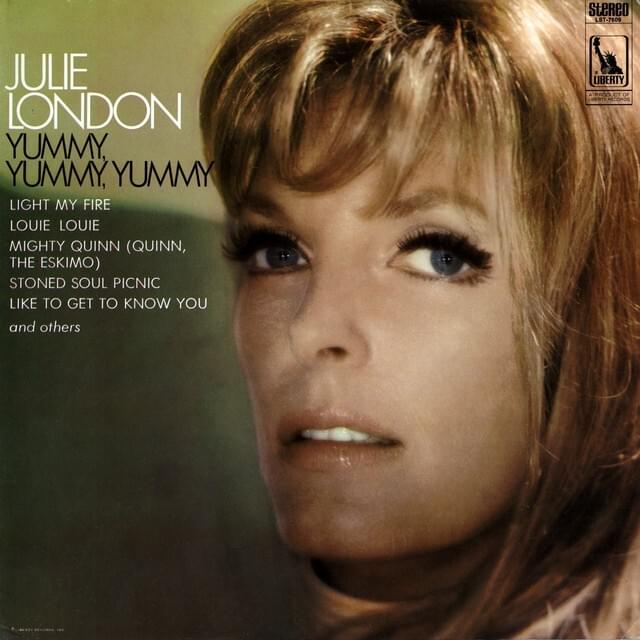
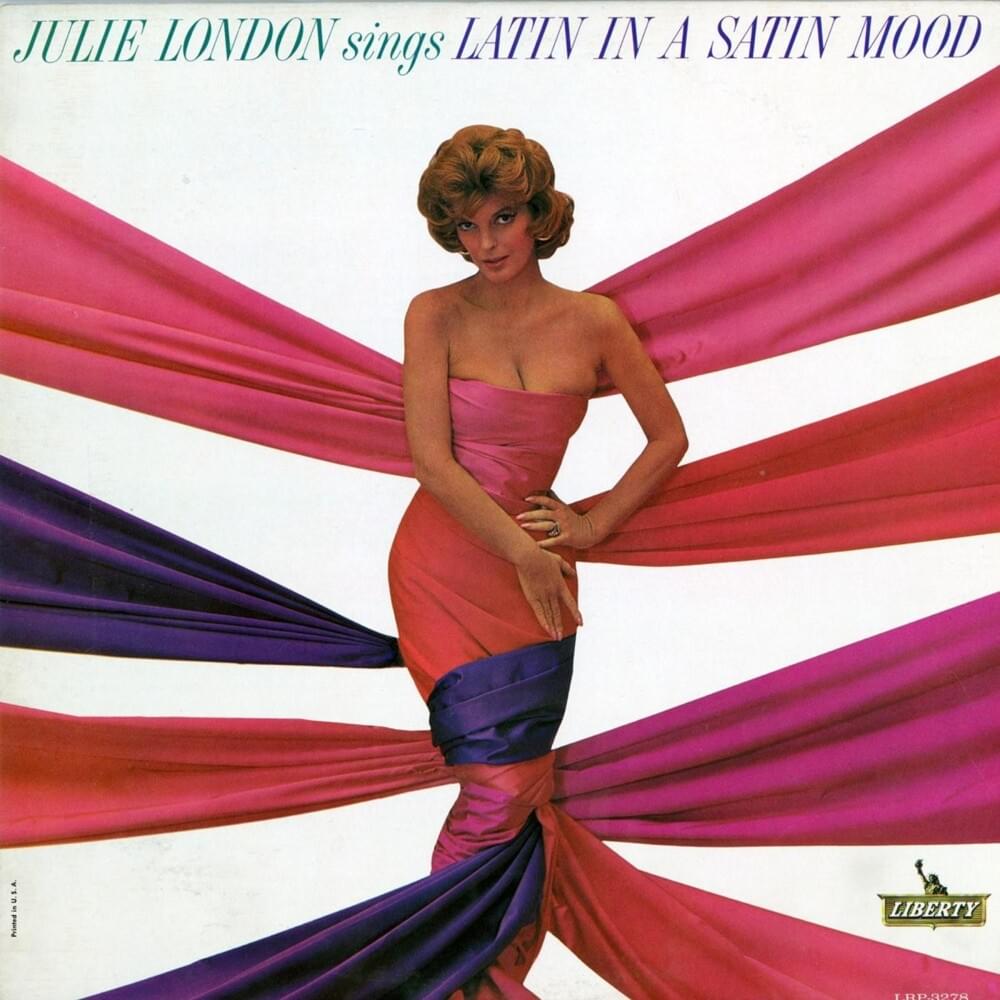
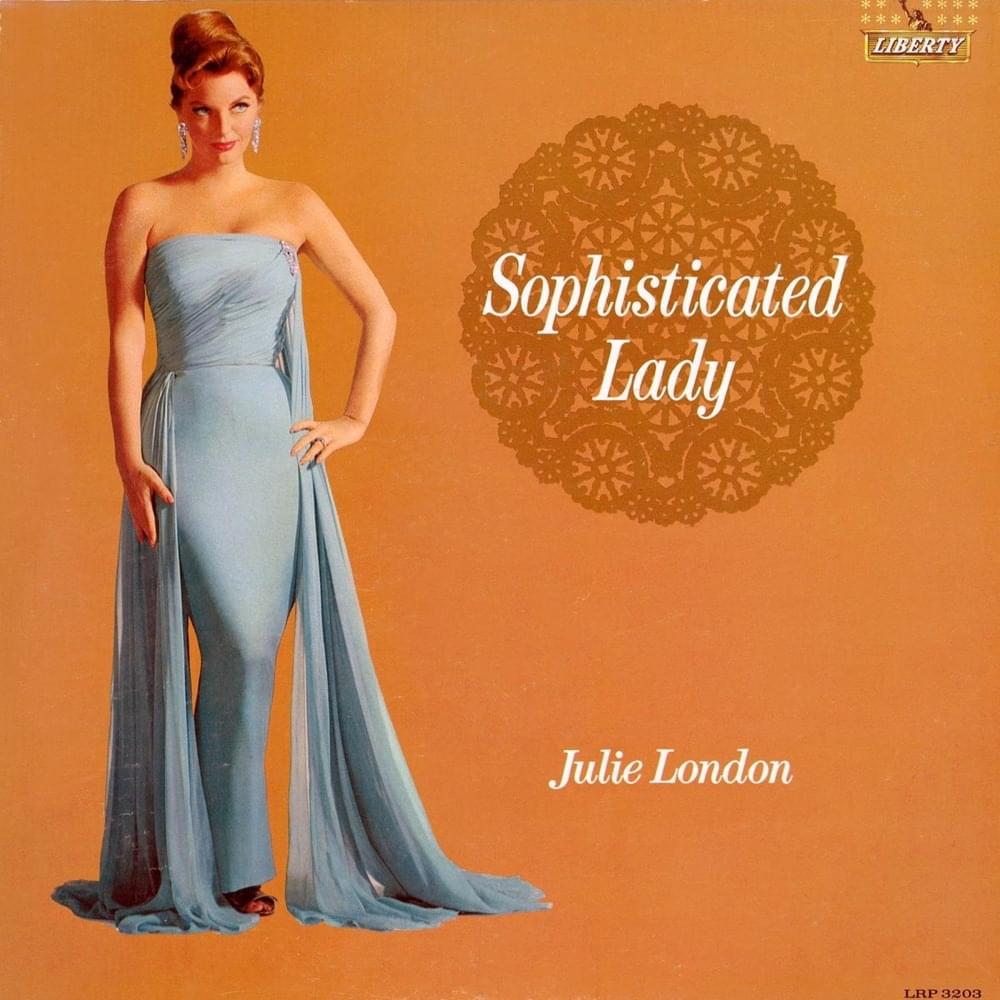
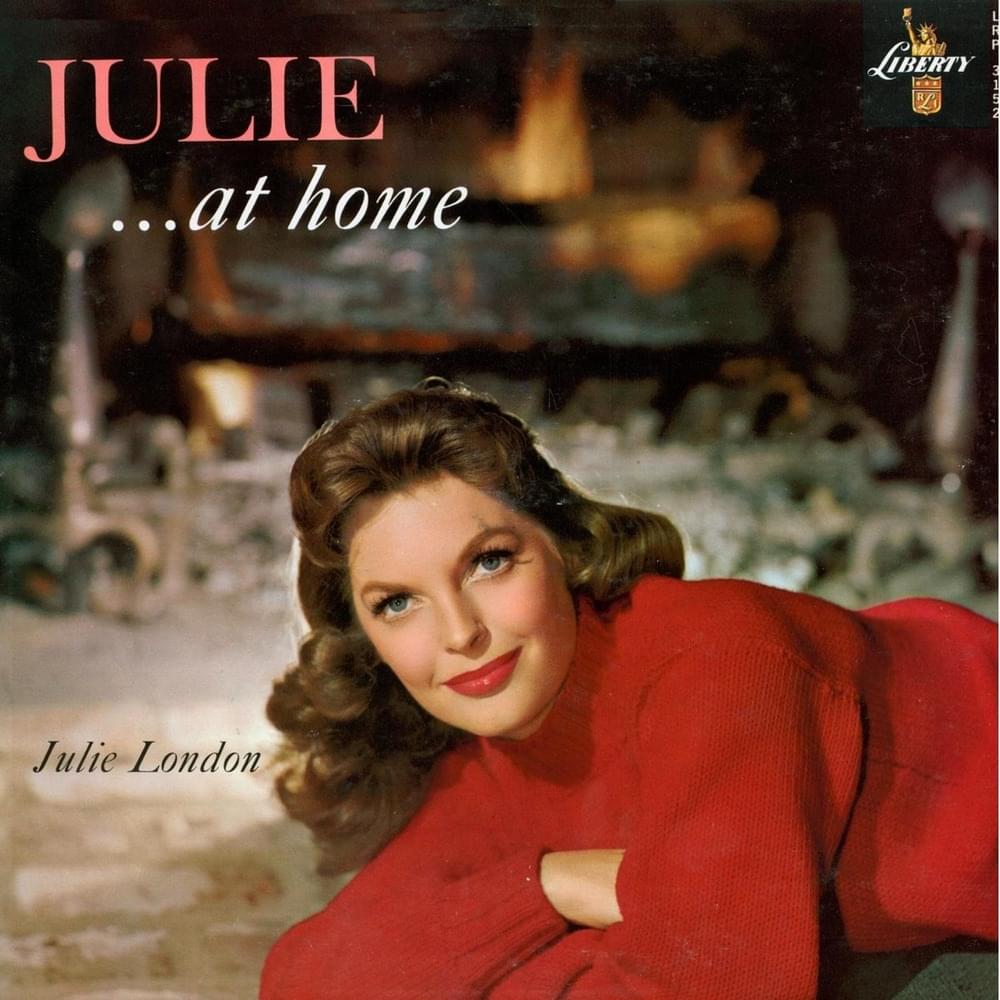
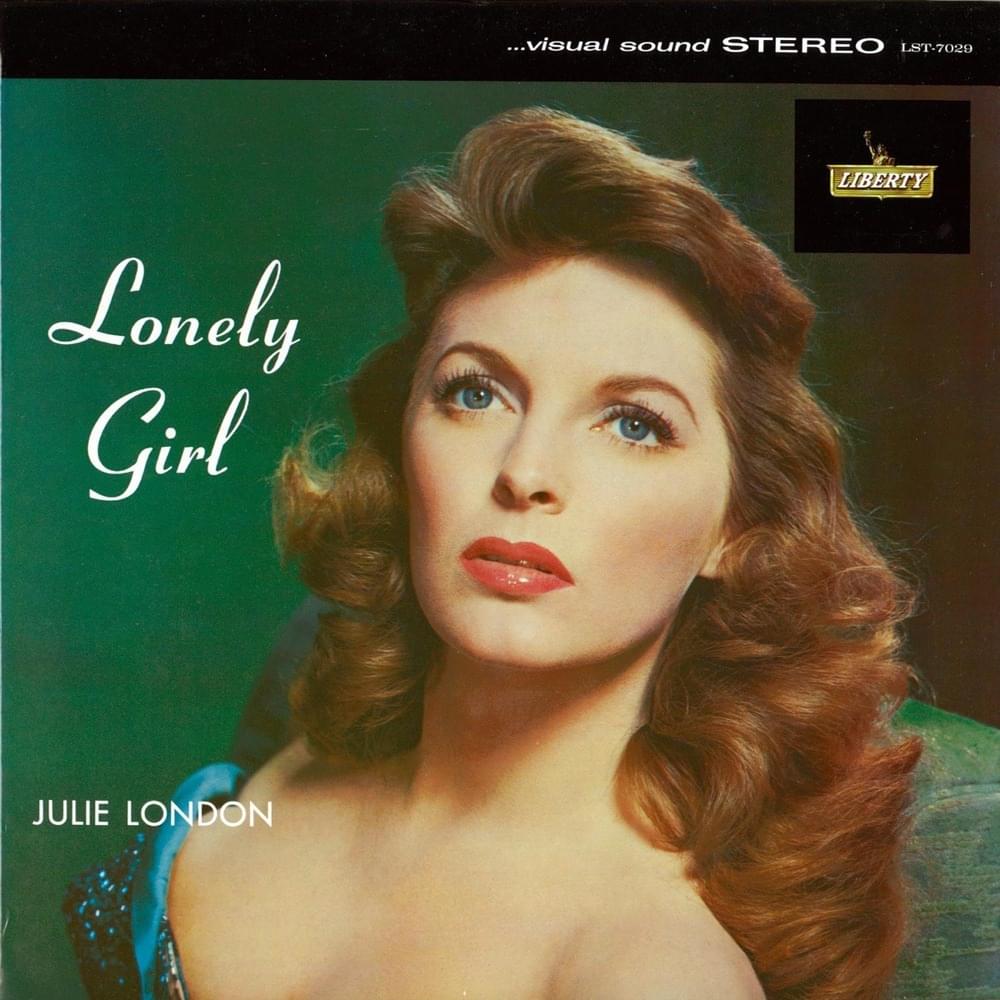
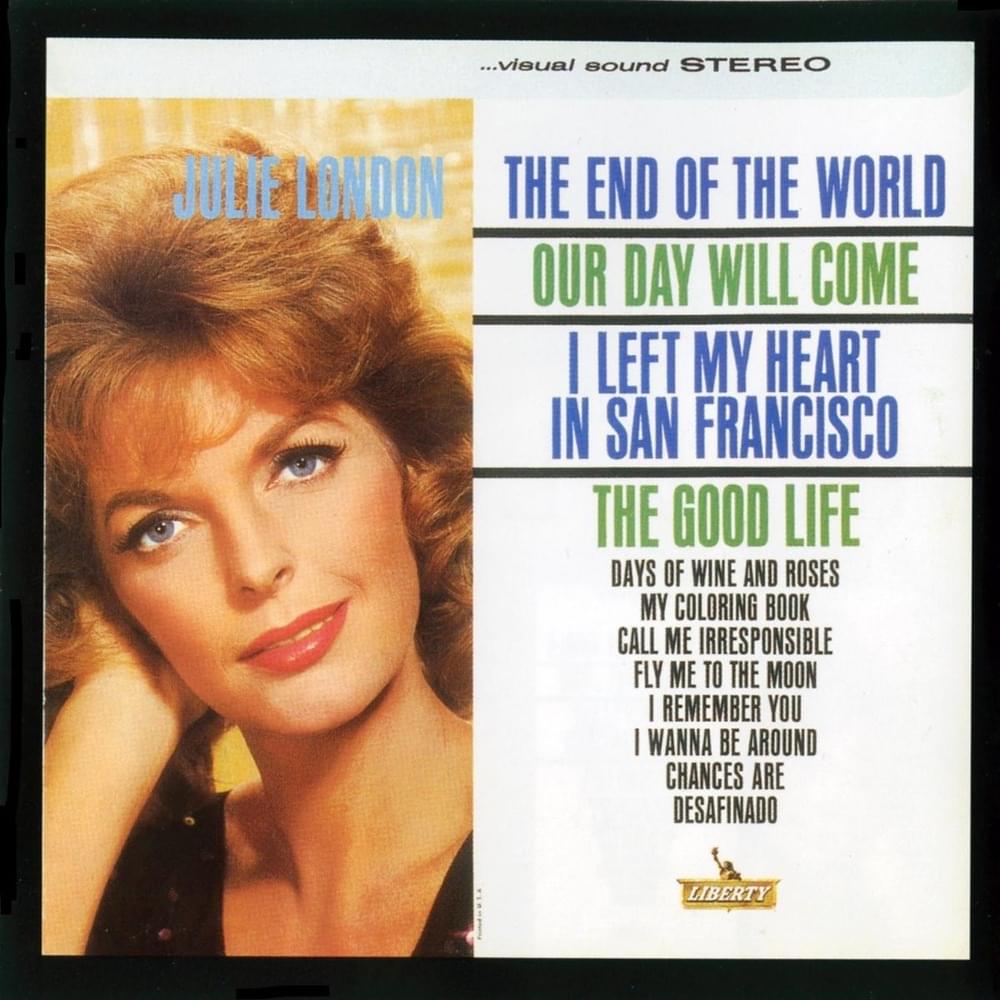
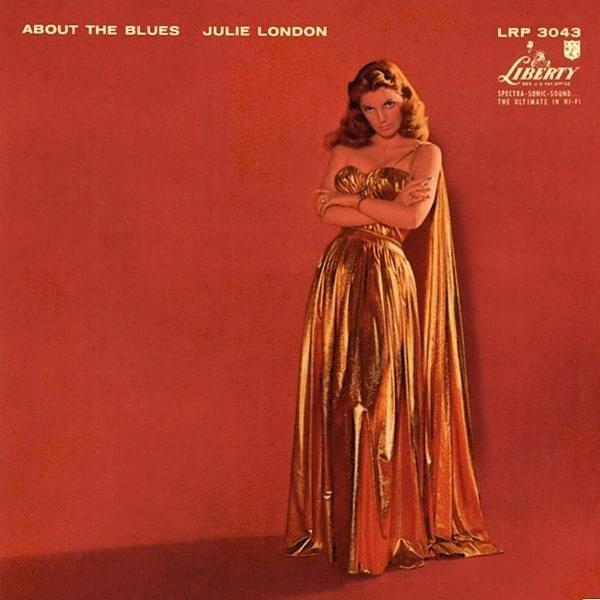
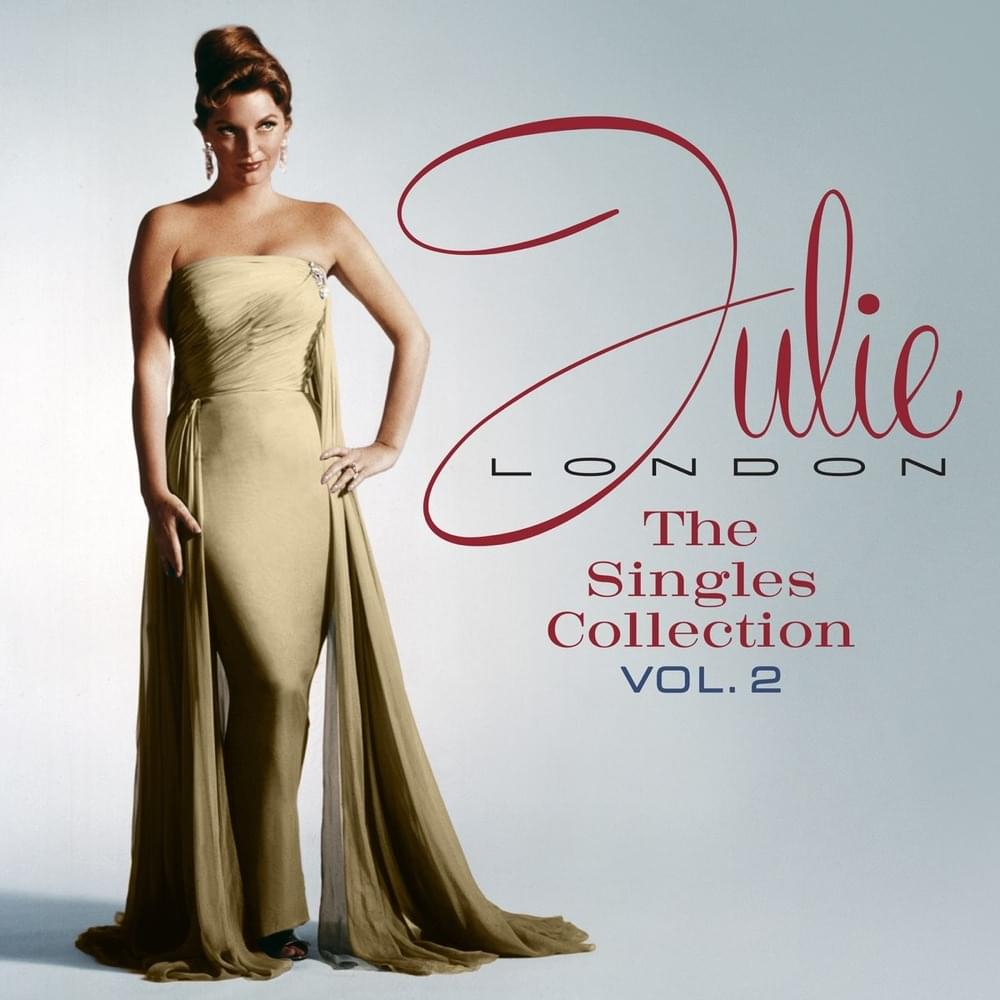
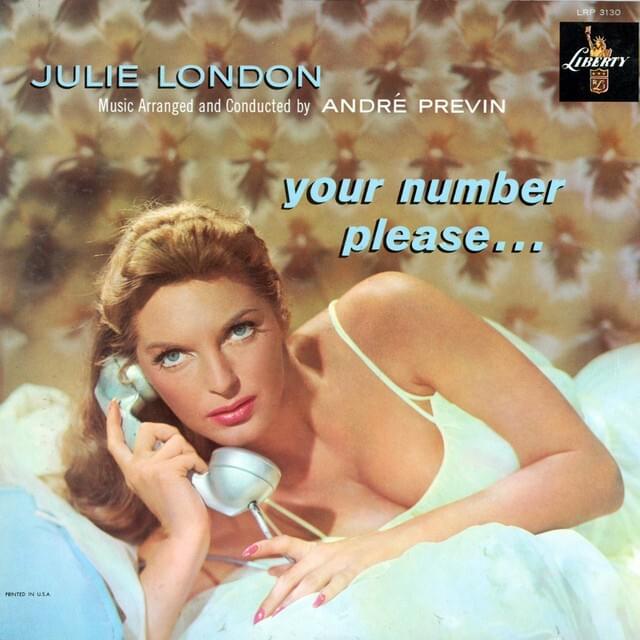
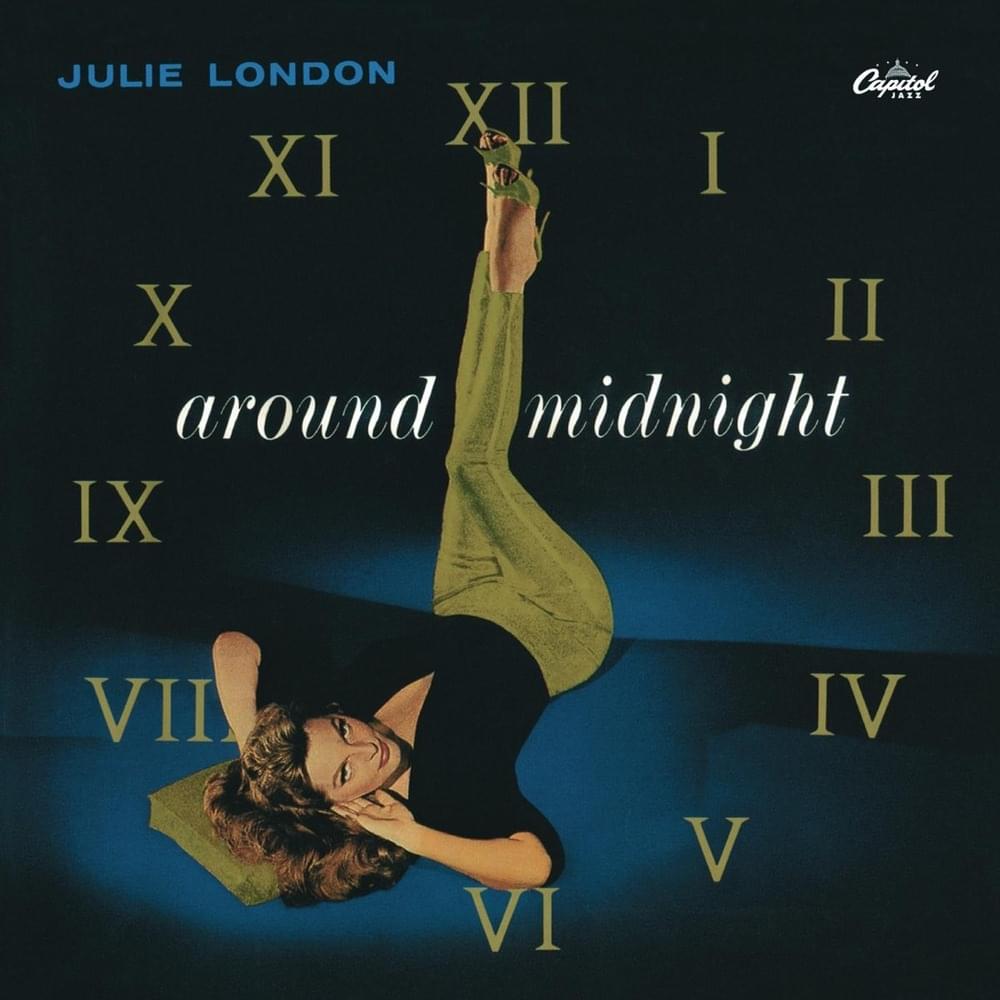
London's cool and sophisticated image was carefully cultivated, contributing significantly to her success. The album covers, often featuring striking portraits of London herself, reinforced her persona as a glamorous and enigmatic figure. Her acting career continued alongside her singing, further cementing her status as a multifaceted entertainer.
She wasn't afraid to tackle challenging material, bringing her signature touch to songs like What Is This Thing Called Love?, exploring the complexities of human connection with a raw honesty that resonated with audiences. Her performances were captivating, drawing listeners in with her subtle but powerful delivery. Even when she sings about the familiar pangs of unrequited love in I Love You, she makes you feel as if you are hearing it for the first time.
Julie London's influence extends far beyond her own era. Her recordings continue to be discovered and appreciated by new generations of listeners, drawn to her timeless voice and the evocative atmosphere she created. Her legacy as a pop icon is secure, a testament to her unique talent and enduring appeal. One can easily imagine her singing Make It Another Old-Fashioned, Please in a smoky bar.