Song Meaning
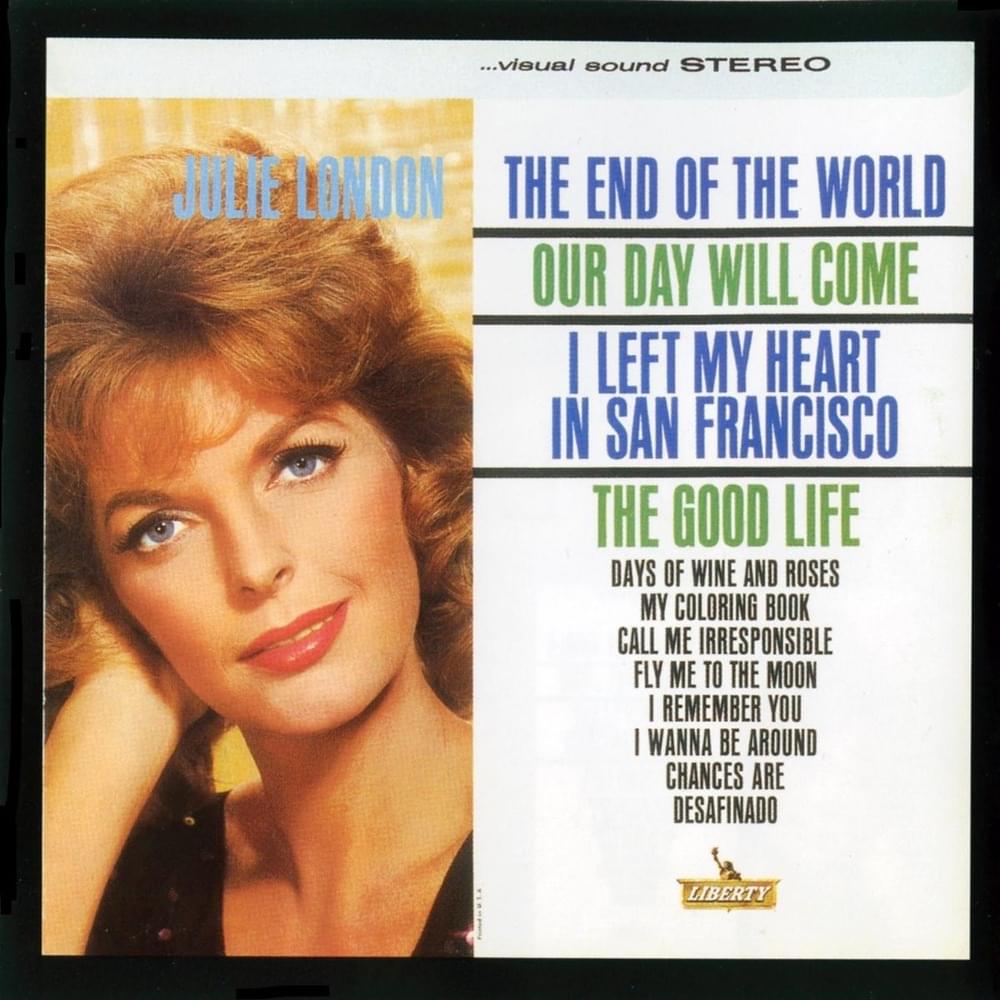
{"song_id": 14915558, "meaning": "Julie London's \"The End of the World\" isn't a sci-fi dirge, but a masterclass in romantic devastation. The song's genius lies in its stark simplicity: a heartbroken narrator struggles to reconcile the continued existence of the universe with the personal apocalypse of lost love. London's delivery, famously cool and detached, only amplifies the underlying pain; there's a sense that she's barely holding it together as the world stubbornly refuses to acknowledge her suffering. The persistent, almost mocking normalcy of the sun, sea, stars, and birdsong becomes a form of psychological torture. It's a feeling anyone who's experienced profound heartbreak can relate to – the alienating realization that life relentlessly marches on, indifferent to your internal cataclysm.
The repeated questioning – \"Why does the sun keep on shining? Why do the birds go on singing?\" – isn't just rhetorical. It exposes a deep-seated cognitive dissonance. The narrator is grappling with the ego-centric belief that their love should have cosmic significance. In their mind, the end of the relationship *should* logically bring about the end of everything. This speaks to the narcissistic wound that often accompanies rejection; the feeling that one's very existence, one's worth, is inextricably tied to the affections of another. The world *should* reflect their inner turmoil, but it cruelly doesn't.
Ultimately, “The End of the World” explores the disorienting disconnect between subjective experience and objective reality. The lyrics paint a portrait of someone trapped in the immediate aftermath of a breakup, unable to process the fact that their personal tragedy hasn't shattered the foundations of existence. It's a raw, vulnerable expression of grief, amplified by London's signature understated style, making it a timeless exploration of love, loss, and the enduring indifference of the universe."}
 View Artist