Song Meaning
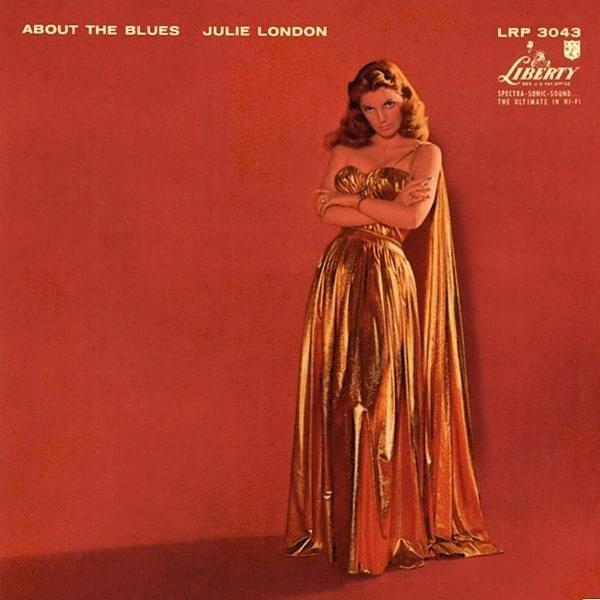
Julie London's "Meaning of the Blues" isn't just a song; it's a masterclass in emotional transformation. London doesn't simply sing about sadness; she dissects the very semiotics of sorrow, revealing how a single event—the departure of a lover—can warp our perception of the world. The color blue, once a symbol of tranquility and idyllic summer skies, is violently redefined. It's no longer the gentle hue of a bluebird or a calm sea; it morphs into the ominous shade of a winter storm, a constant, looming threat. This isn't just heartbreak; it's a chromatic catastrophe.
The genius of "Meaning of the Blues" lies in its understanding of how personal experience contaminates universal symbols. Blue, initially associated with positive imagery – summer, cloudless skies, even a 'ribbon for first prize' – becomes inextricably linked to loss. The repetition of 'Blue was just...' highlights the speaker's past innocence, a time before heartbreak tainted her perspective. The shift from naivete to knowing is the core of the song's power. The lyrics subtly suggest that before this heartbreak, the speaker viewed sadness as a construct, something performed by "impulsive ingénues" in chart songs, not a visceral reality.
Ultimately, the song's meaning resides in the brutal awakening to genuine emotional pain. The speaker acknowledges that blues were 'only chart songs' until she experienced the gut-wrenching reality of loss. The line "Too well I know the meaning of the blues" is not just a statement of understanding; it's an admission of profound, irreversible change. Julie London doesn't just sing the blues; she embodies the moment when innocence shatters against the jagged edges of reality, leaving behind a world forever shaded in a different, darker hue.
 View Artist