Song Meaning
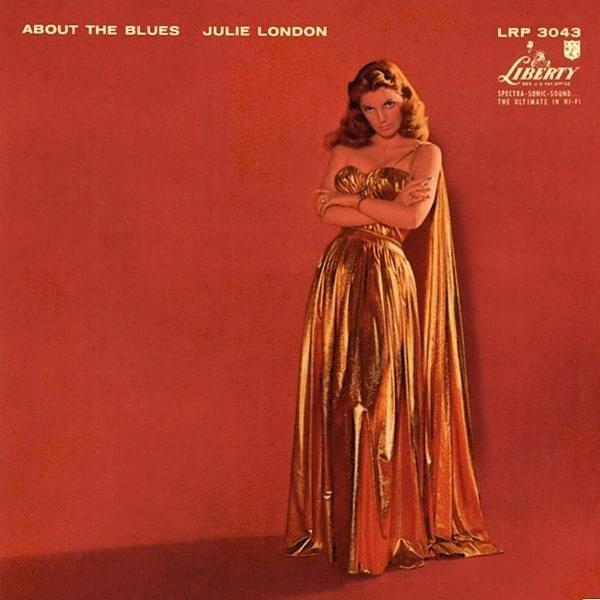
{"song_id": 14915778, "meaning": "Julie London's rendition of \"I Gotta Right to Sing the Blues\" isn't just a performance; it's a raw assertion of emotional ownership. The song, at its core, is a defiant declaration of the singer's prerogative to wallow in sorrow. It's a blues anthem stripped of any pretense, laying bare the right to feel 'low down' and 'moan and sigh' in the face of heartbreak. London's delivery, characteristically smoky and world-weary, amplifies the sense of bruised vulnerability that permeates every line. The repetition of 'I gotta right' becomes less a plea and more a steely-eyed demand for the space to process pain. She's not asking for permission; she's claiming her territory in the landscape of despair. The 'certain man' lurking in the background isn't given a name or a motive, he's merely the catalyst for this emotional reckoning.
The recurring image of the river serves as a potent symbol. It's a place of refuge, of solitude, and of quiet contemplation. The singer seeks solace 'down around the river,' away from the prying eyes and judgment of the town. It's a liminal space, a borderland between the world of the living and the pull of the 'deep blue sea.' This pull hints at a deeper despair, a flirtation with oblivion, but the song never fully succumbs. Instead, it clings to the right to express the blues, to keep the pain alive through song.
Ultimately, \"I Gotta Right to Sing the Blues\" is a masterclass in emotional self-possession. It acknowledges the power of heartbreak while simultaneously refusing to be defined by it. The blues, in this context, become a form of resistance, a way to assert agency in the face of overwhelming sadness. London's interpretation transforms a classic lament into a powerful statement about the enduring human need to voice our pain, to claim our right to feel, and to find solace in the shared language of the blues."}
 View Artist