Song Meaning
Julie London's rendition of "Lonesome Road" isn't just a song; it's a stark meditation on mortality and the burdens we carry. The lyrics, stark and repetitive, paint a picture of a journey not merely across physical terrain, but through the landscape of a life nearing its end. The "lonesome road" itself becomes a metaphor for the individual's solitary confrontation with their own existence, a path walked alone towards an inevitable reckoning. The repeated plea to "look down" suggests a need for introspection, a call to examine the path already trod before venturing further. It's an almost desperate urging to consider the consequences of one's actions, to weigh the "load" one has been "totin'."
That load, unspecified yet heavily felt, hints at regrets, mistakes, or perhaps simply the accumulation of life's experiences, both good and bad. The weight of this burden seems to define the journey, making it "weary" and stretching endlessly. Juxtaposed against this earthbound weariness is the spiritual imperative to "look up and face your maker." This isn't just about death; it's about accountability. The impending sound of "Gabriel blows his horn" acts as a deadline, a moment of truth when one's life will be judged. It's a powerful image that underscores the urgency of self-reflection.
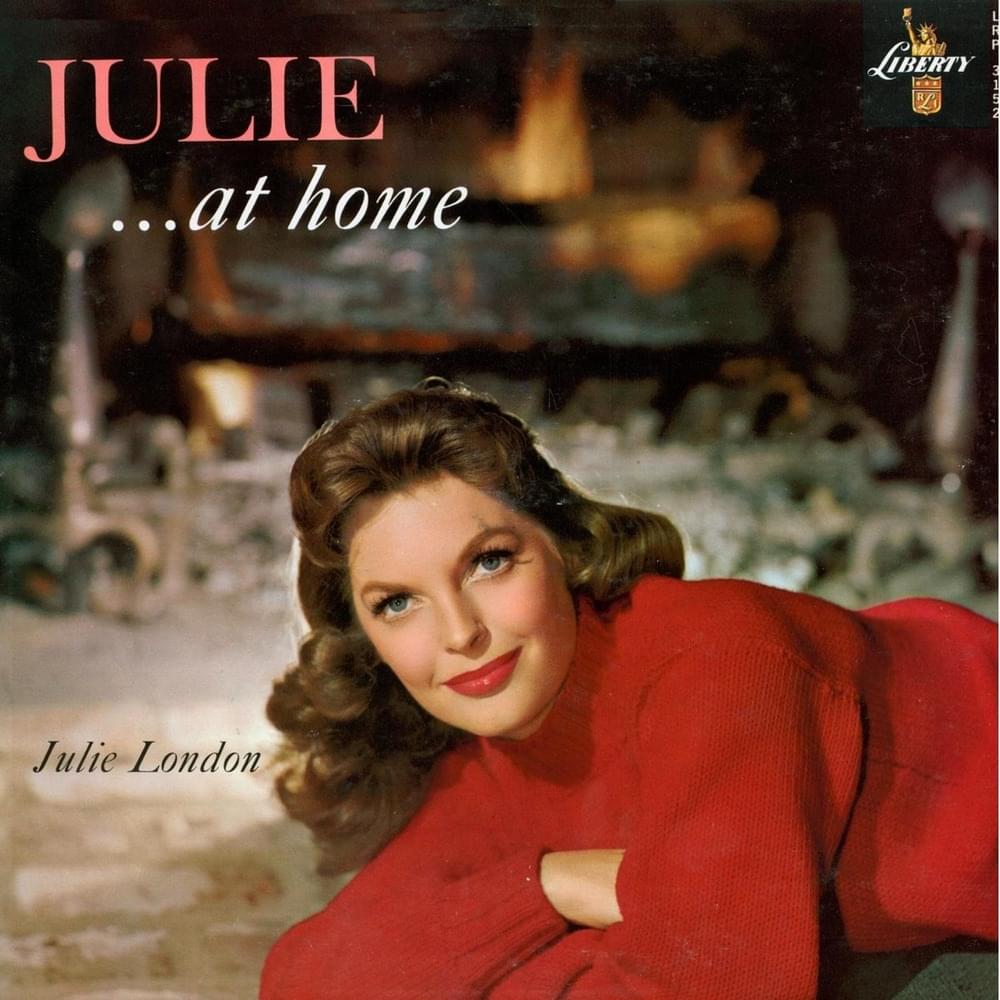
London's delivery, with its signature smoky timbre, amplifies the song's inherent melancholy. She imbues each line with a sense of resignation, but also a quiet strength. "Lonesome Road," in her capable hands, transcends a simple folk tune. It becomes a profound exploration of the human condition, a reminder of our fleeting existence, and a somber call to contemplate the choices we make as we navigate our own lonesome roads. The song's beauty lies in its simplicity, using minimal language to evoke maximum emotional resonance. It's a haunting reminder that the journey matters, but so does the destination, and the preparation for it.
 View Artist