Song Meaning
Julie London’s "Everything Happens to Me" isn't just a lament; it’s a masterclass in melancholic acceptance. The song meaning resides in its unflinching gaze at a life seemingly cursed with Murphy's Law. London doesn’t rage against the universe; she sighs, shrugs, and delivers a world-weary performance that suggests she's made peace with her perpetual misfortune. The opening verses paint a picture of minor, everyday disasters – ruined dates, noisy neighbors, missed connections. These aren't tragedies, but the constant drip of annoyance wears down the spirit, creating a sense of resignation. She's "just catching colds and missing trains," a relatable image of perpetual inconvenience.
But the song transcends simple complaining in its bridge. There's a flicker of hope, a brief belief that love might be the antidote to her jinxed existence. "At first I thought that you could break this jinx for me," she confesses, revealing a vulnerability beneath the stoic facade. This hope, however, is quickly dashed. The narrator's "foolish heart" betrays her, leading to disappointment and the realization that even love is subject to her personal brand of cosmic misfortune. She "mortgaged all my castles in the air," a poignant acknowledgment of her shattered dreams.
The final verses deliver the knockout punch. Even her attempt at romantic connection is met with rejection, compounded by the indignity of "postage due." The casual cruelty of this detail is devastating. The line, "I fell in love just once, and then it had to be with you," drips with irony and regret. It suggests not only that she chose the wrong person but that fate itself conspired to make her romantic life another example of her personal curse. Ultimately, "Everything Happens to Me" is a quiet, devastating exploration of acceptance, a portrait of someone who has learned to live with the weight of constant disappointment, finding a strange sort of peace in the inevitability of it all. The lyrics analysis reveals a profound sadness masked by a veneer of sophisticated resignation, making it a timeless exploration of the human condition.
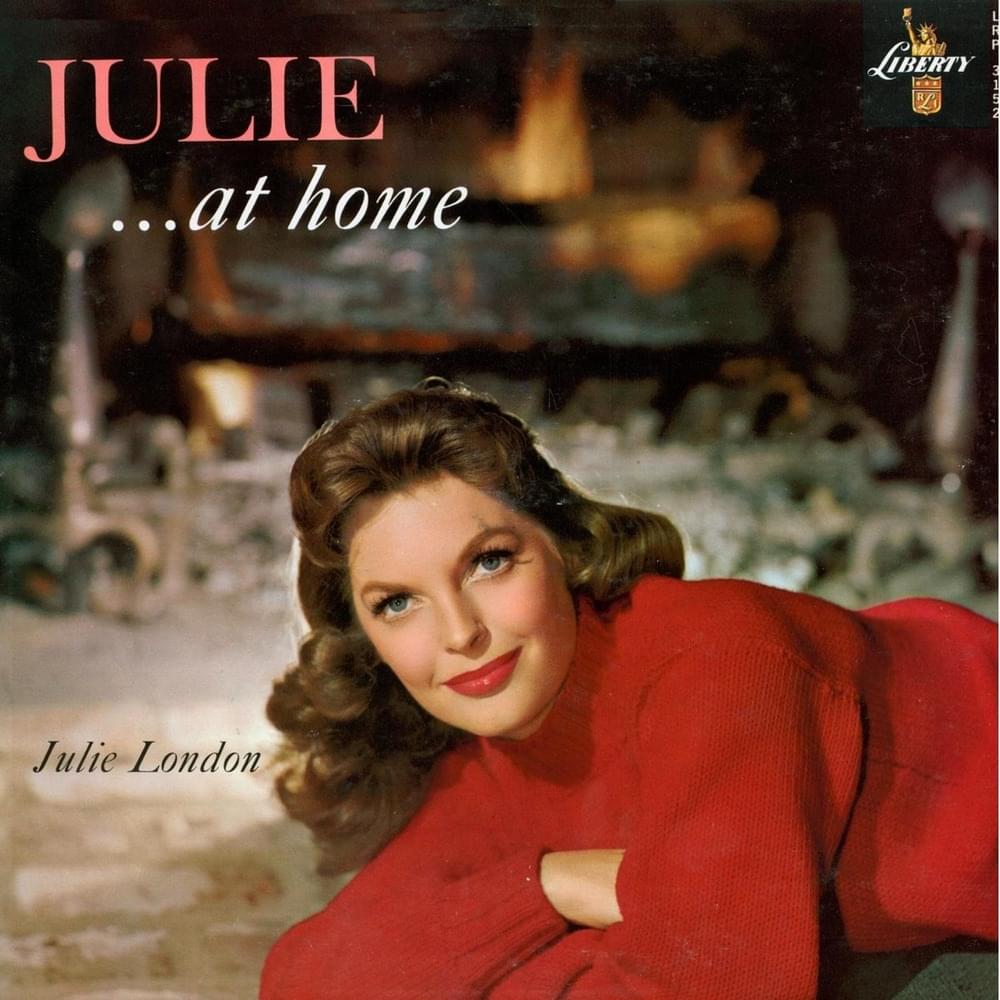
 View Artist