Song Meaning
Joan Baez's rendition of "London" isn't just a song; it's a chilling diagnosis of societal decay, set to verse. Originally penned by William Blake, the lyrics paint a grim picture of urban blight and spiritual imprisonment. Baez, with her signature crystalline soprano, amplifies the poem's inherent anguish, transforming it into a haunting lament for a city suffocating under the weight of its own moral failures. The 'chartered streets' and 'chartered Thames' aren't simply geographical markers; they're symbols of a world rigidly controlled, where even nature is subject to human dominion and exploitation. This sense of imposed order, however, breeds not prosperity but profound suffering. The 'marks of weakness, marks of woe' etched on every face become a damning indictment of the systems in place. The song meaning sinks deep into the collective psyche.
Blake's imagery, fiercely embraced by Baez, unveils a world where innocence is systematically crushed. The 'chimney-sweeper's cry' and the 'hapless soldier's sigh' are not isolated incidents but symptoms of a deeper rot. These aren't just unfortunate individuals; they represent entire swathes of the population sacrificed at the altar of economic progress and imperial ambition. The 'mind-forged manacles' speak to the insidious ways in which societal norms and expectations can imprison the human spirit, blinding people to their own oppression. This idea is central to understanding the lyrics analysis; it's not just about physical suffering, but about the psychological chains that keep people bound.
Ultimately, "London" is a relentless critique of hypocrisy and injustice. The 'youthful harlot's curse' becomes a potent symbol of societal corruption, a plague that infects even the most sacred institutions. The 'marriage-hearse' suggests that even love and commitment are tainted by the pervasive atmosphere of despair. Baez's interpretation doesn't offer easy answers or comforting platitudes. Instead, it serves as a stark reminder of the human cost of unchecked power and the urgent need for social transformation. Her voice, both beautiful and sorrowful, becomes the perfect vessel for Blake's timeless message of rebellion and hope amidst the darkness.
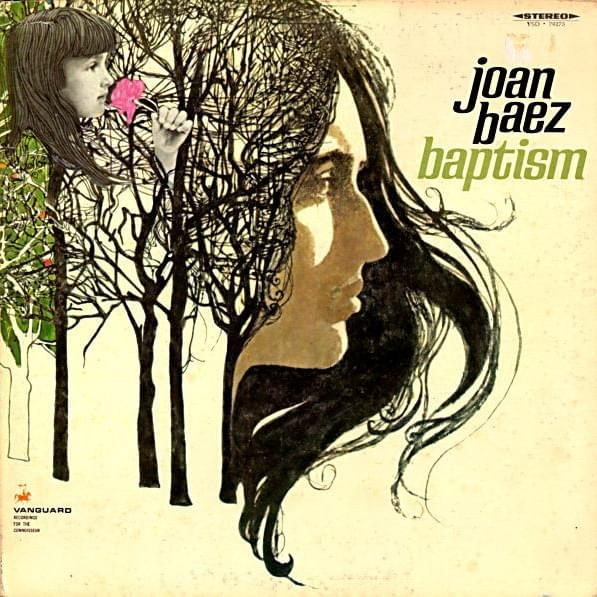
 View Artist