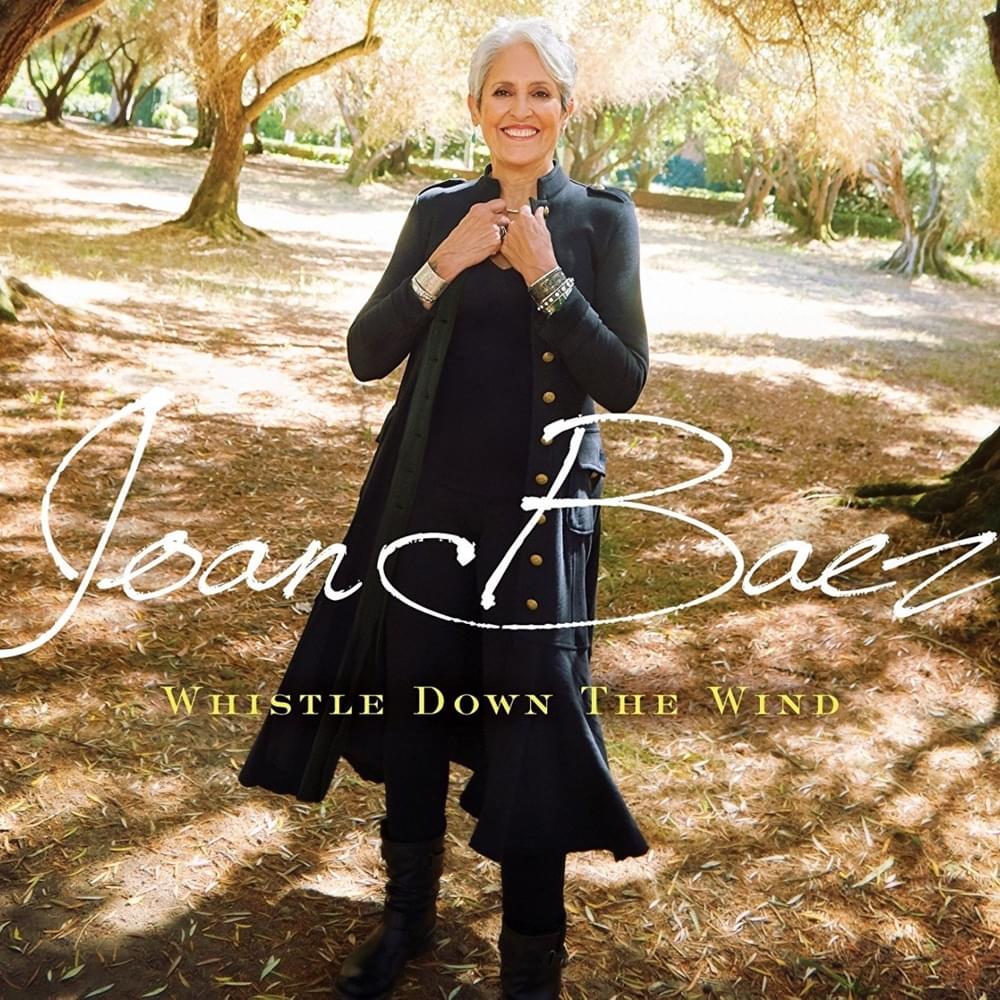
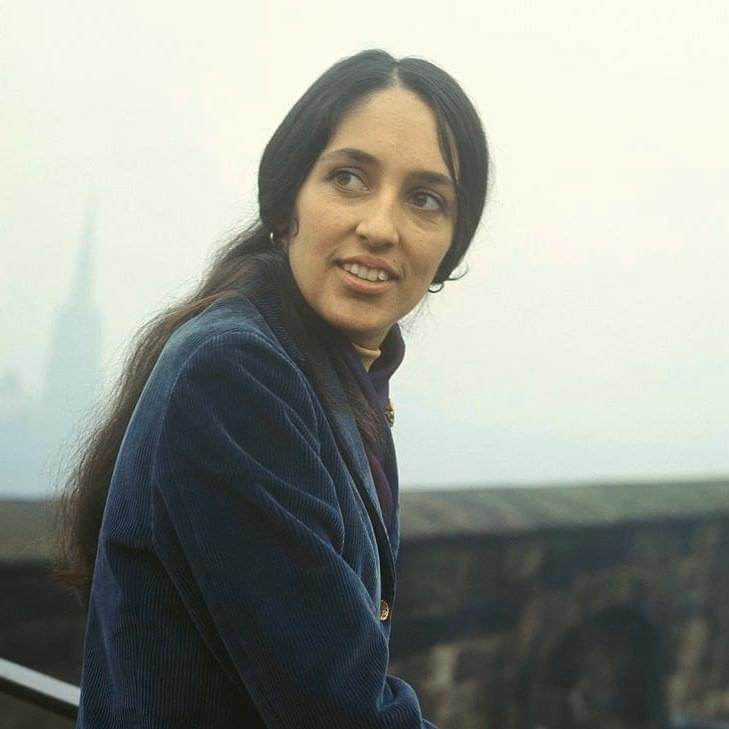
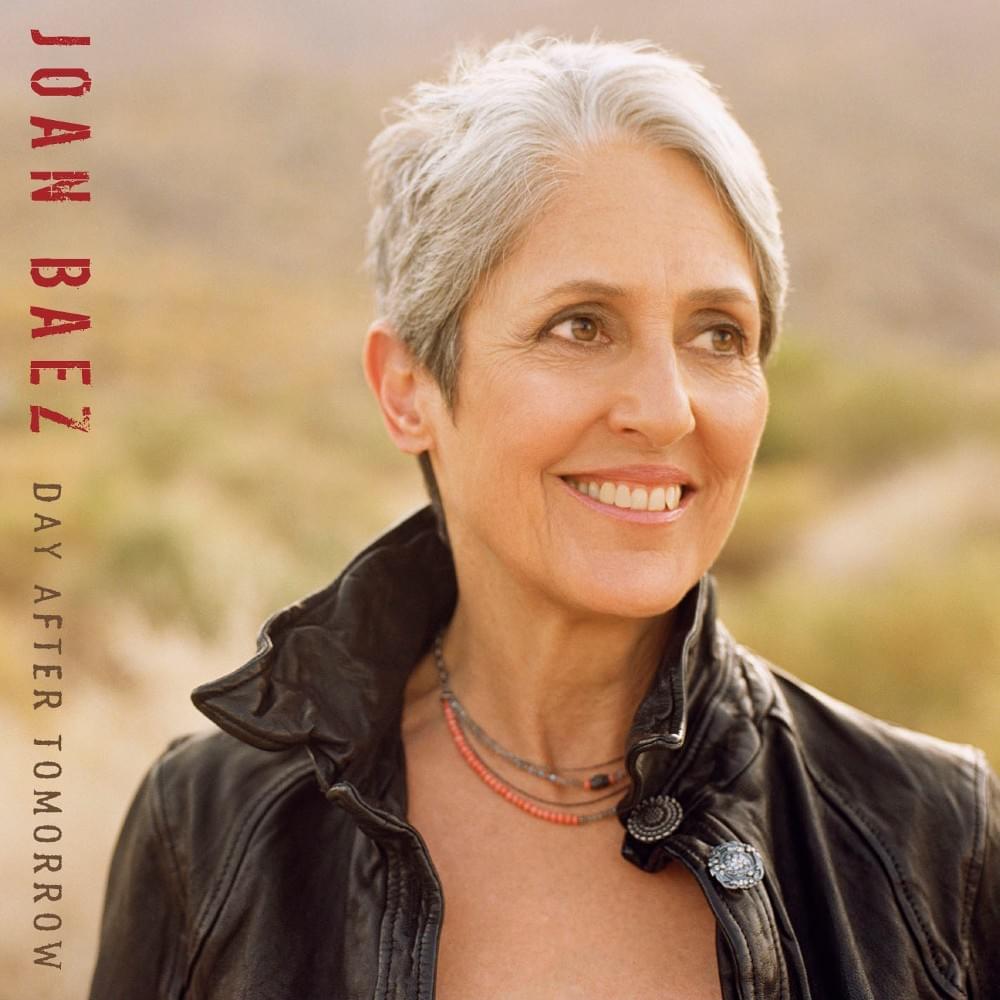
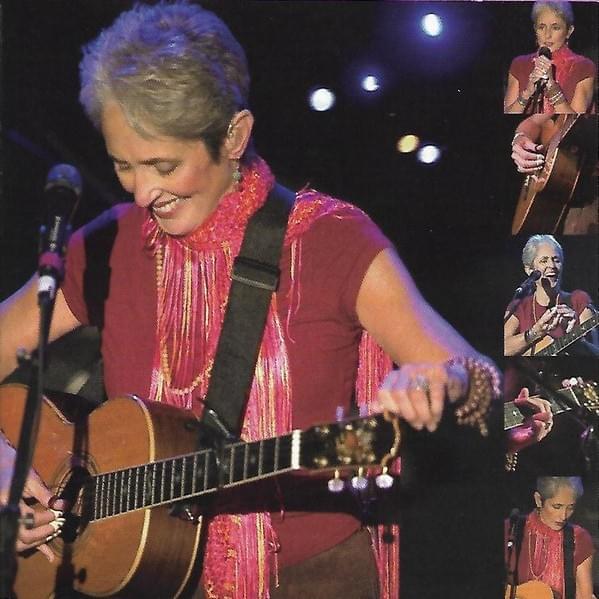
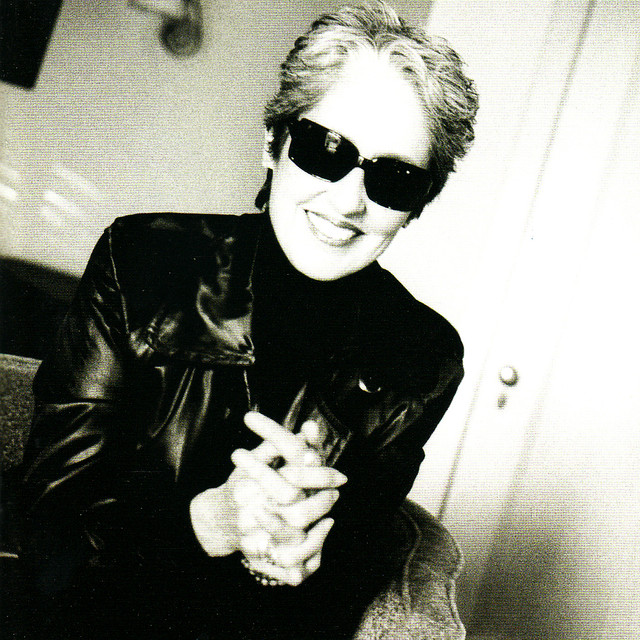
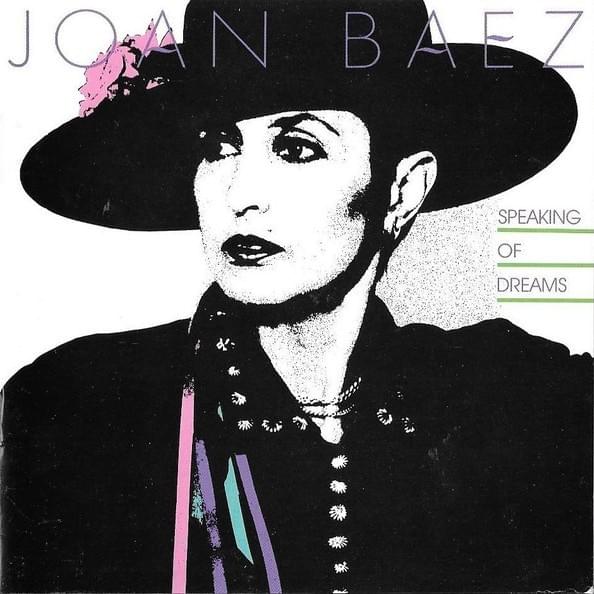
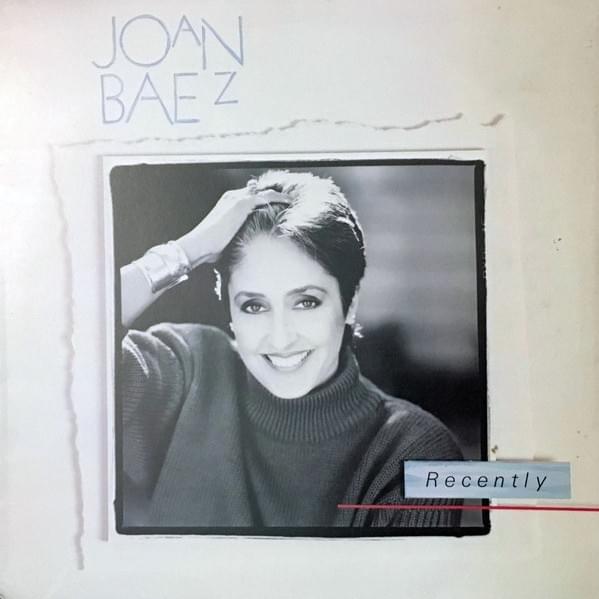
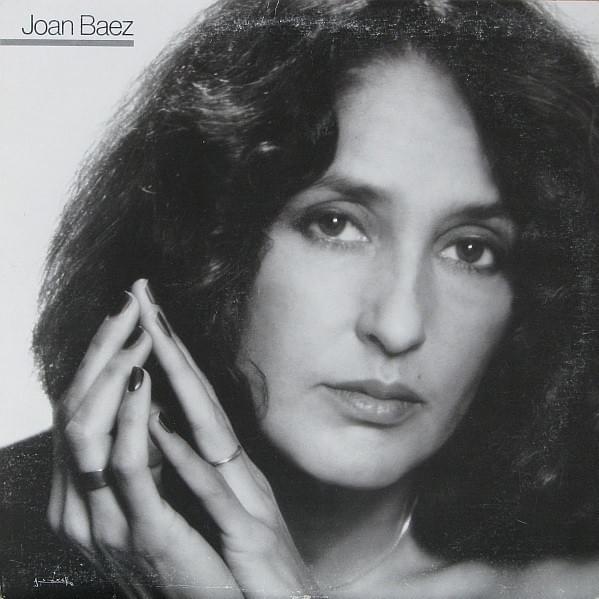
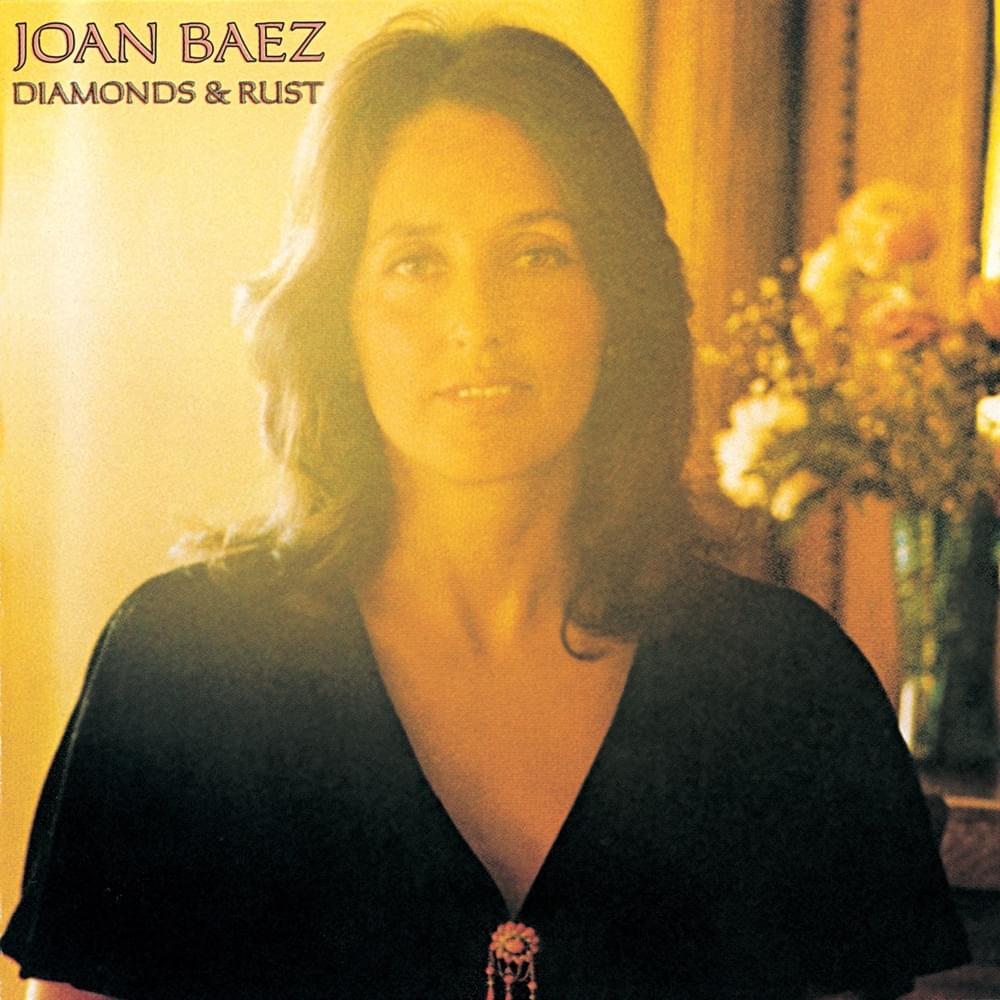
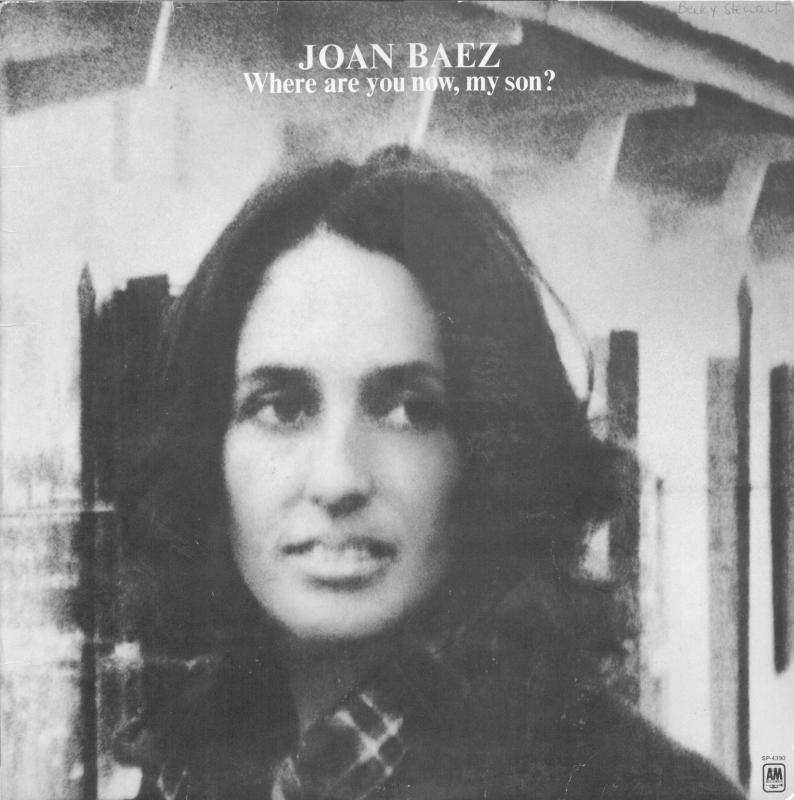
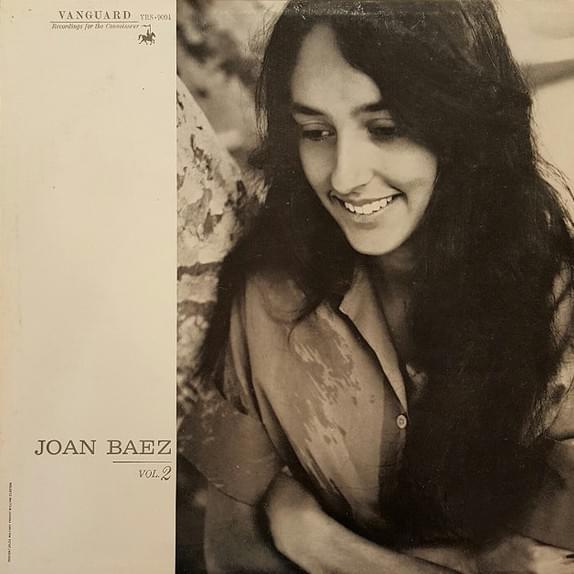
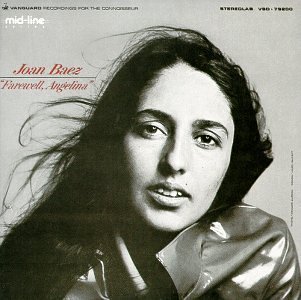
Joan Baez, a name synonymous with the folk revival and a tireless advocate for peace and social justice, carved an indelible mark on the American cultural landscape. Born in 1941 in Staten Island, New York, her crystalline soprano and unwavering commitment to her principles transformed her into more than just a singer; she became a symbol of hope and resistance during a turbulent era. Baez's music resonated deeply with a generation yearning for change, and her influence continues to inspire artists and activists today.
Baez's early career was defined by her interpretations of traditional folk songs and spirituals. Tracks like Barbara Allen showcased her remarkable vocal control and ability to convey profound emotion through simple melodies. These traditional ballads, often passed down through generations, found new life in her capable hands. Her raw, unfiltered delivery gave them a contemporary relevance that captivated audiences.
Beyond her interpretations of traditional material, Baez also championed the works of contemporary songwriters, most notably Bob Dylan. Her early recordings and performances of his songs helped to launch his career, and their artistic partnership became a defining moment in the folk movement. While their relationship eventually ended, Baez continued to support emerging artists and use her platform to amplify their voices. Her repertoire includes a diverse range of material, from the haunting beauty of Silver Dagger to the poignant storytelling of Engine 143. These songs demonstrate her versatility and her ability to connect with listeners on a deeply personal level.
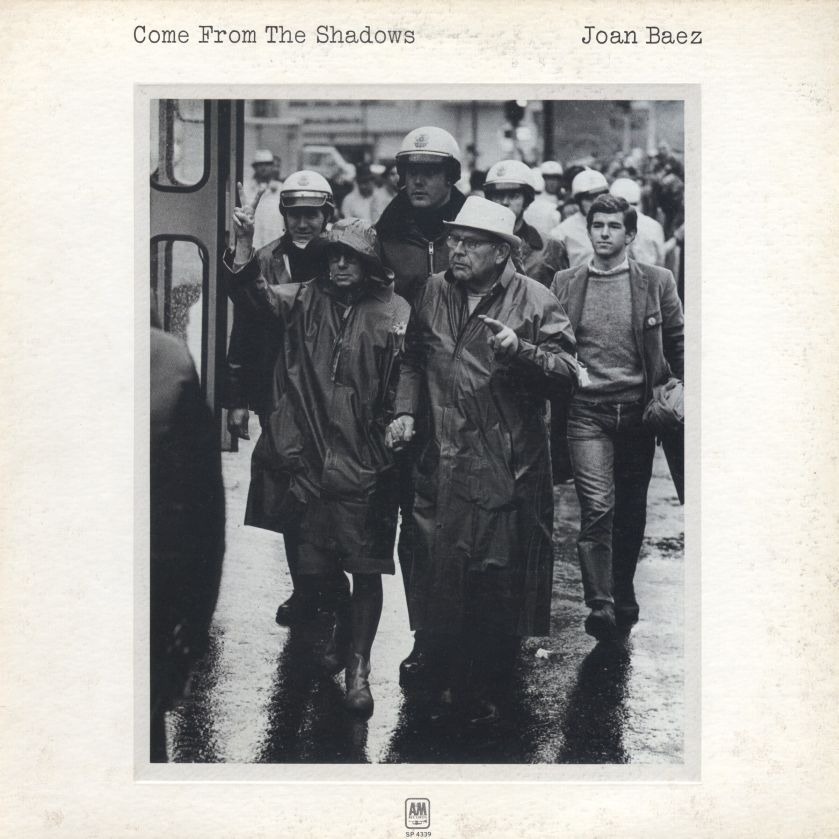
Baez's activism was inextricably linked to her music. She participated in numerous civil rights marches, anti-war protests, and other demonstrations, often performing for the crowds and using her platform to raise awareness about important social issues. She sang about peace and justice not just in concert halls but also in the streets, becoming a powerful voice for the voiceless. Her rendition of The Cherry Tree Carol offered solace and reflection amid the turmoil of the times.
Even as musical tastes evolved, Baez remained true to her artistic vision. She continued to record and perform, exploring different genres and collaborating with a wide range of musicians. Her later work often reflected on her life experiences and her ongoing commitment to social justice. Her interpretation of Plaisir d'amour showcases her ability to connect with audiences through song, regardless of language or background. Joan Baez's legacy extends far beyond her musical accomplishments. She remains an icon of peace, justice, and artistic integrity, inspiring generations to use their voices for good. Her dedication to sharing songs such as The Trees They Do Grow High secures her place as a folk icon.