Song Meaning
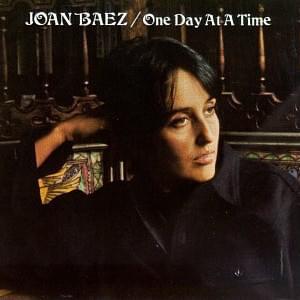
Joan Baez's rendition of "Joe Hill" is less a song than a spectral summons, a folk-anthemic incantation that resurrects the spirit of the martyred labor organizer. Joe Hill, executed in 1915 on dubious charges, becomes in this ballad not a ghost, but a living symbol of resistance. The lyrics posit a defiant immortality, a refusal to be silenced by the powers that be. The power of the song lies not in historical accuracy, but in the emotional truth it conveys: that ideas, once ignited, are harder to extinguish than a human life. Baez, with her crystalline soprano, transforms the narrative into a timeless statement of solidarity. The core message within "Joe Hill" revolves around the idea that oppression can kill a man, but it cannot kill a movement.
The song’s cyclical structure, returning to the initial dreamlike encounter, reinforces the idea of Joe Hill’s perpetual presence. The repetition of "I never died" serves as both a declaration of defiance and a call to action. It’s a powerful psychological assertion: that the spirit of resistance lives on in the fight for workers' rights. The lyrics bypass grief or mourning, jumping straight to the enduring legacy of activism. This isn't a lament; it’s a battle cry disguised as a lullaby. Joe Hill's presence "in every mine and mill" where workers defend their rights underscores the omnipresence of his ideals.
Ultimately, the song meaning transcends the specific historical context of Joe Hill's life and death. It speaks to the broader human need for justice and the enduring power of collective action. Baez's interpretation amplifies this message, stripping away any sentimentalism and presenting the song as a stark, unwavering statement. The "smiling with his eyes" image is particularly potent, suggesting a quiet confidence in the ultimate triumph of the organized. The song’s ability to inspire across generations hinges on its simple yet profound message: that even in death, the spirit of resistance can continue to organize and fight for a better world.
 View Artist