Song Meaning
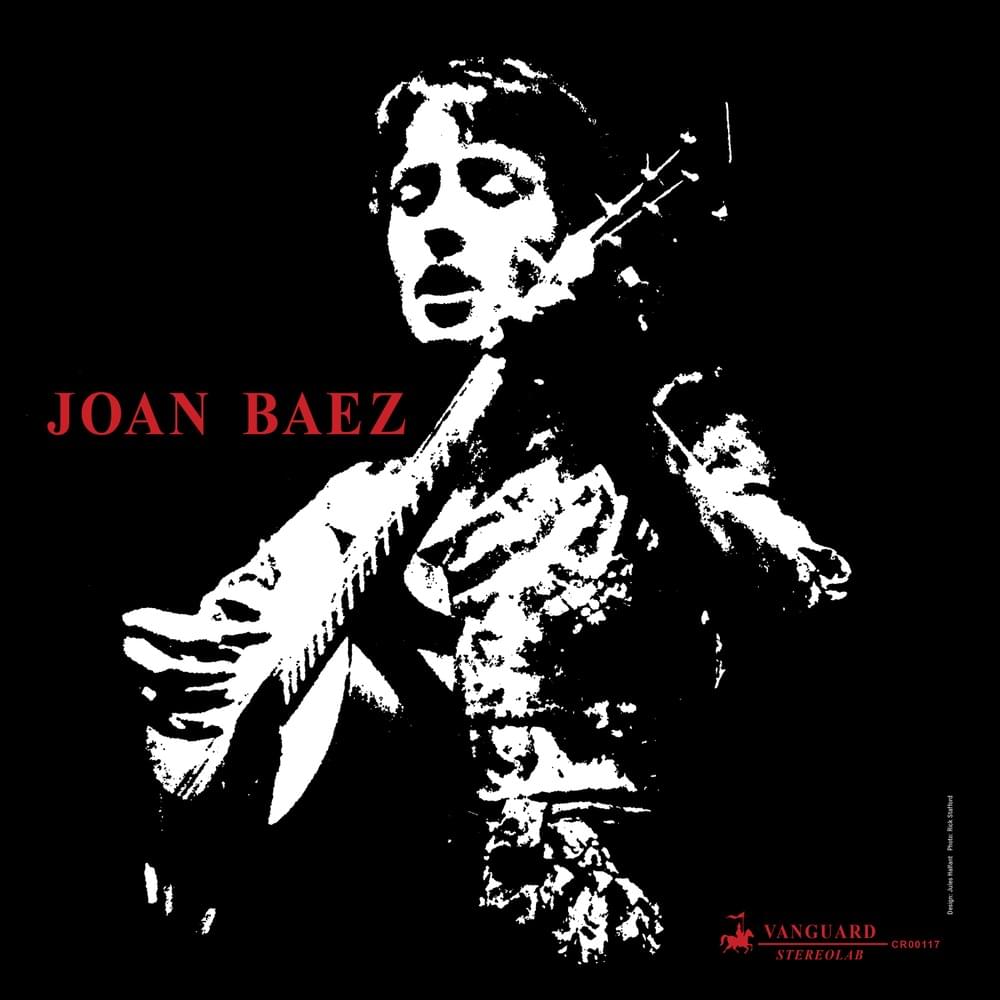
Joan Baez's stark rendition of "Silver Dagger" isn't just a folk song; it's a chilling parable of inherited trauma and the weaponization of maternal protection. The opening lines immediately establish a claustrophobic domesticity, where the daughter's potential for love is literally policed by the mother's ever-present, dagger-wielding vigilance. This isn't mere overprotectiveness; it's a preemptive strike against vulnerability, born from the mother's own experiences of betrayal and disillusionment with men. The silver dagger itself becomes a potent symbol— simultaneously a tool of defense and a barrier to genuine connection. It represents the mother's resolve to shield her daughter from heartbreak, even if it means sacrificing her chance at happiness. The dagger shines, but it cuts deep.
The lyrics analysis reveals a deeper wound. The mother's warning – "All men are false" – isn't presented as sage advice, but rather as a hardened, cynical truth etched in her psyche. This isn't just about romantic disappointment; it's a wholesale condemnation, suggesting a profound violation of trust. The subsequent verse about the "handsome devil" father, with his chain of broken hearts, paints a picture of generational dysfunction. The daughter isn't just warned about the potential for male infidelity; she's confronted with a legacy of it. The image of dangling hearts is particularly brutal, transforming love into a macabre trophy collection. The song meaning underscores how parental wounds can become inherited burdens, shaping future relationships.
Ultimately, "Silver Dagger" is a song about choice, albeit a limited one. The daughter, faced with the stark warnings and the tangible threat of the mother's dagger, makes a conscious decision to forgo love altogether. It's a choice born not of personal experience, but of vicarious trauma. In the final verse, the line "I've decided to sleep alone all of my life" is delivered not with sadness but with a chilling sense of resignation. The song leaves us pondering the cost of protection, and whether shielding someone from pain is worth sacrificing their potential for joy. Joan Baez delivers not a love song, but an anti-love song: a haunting exploration of how fear can poison the very possibility of intimacy.
 View Artist