Song Meaning
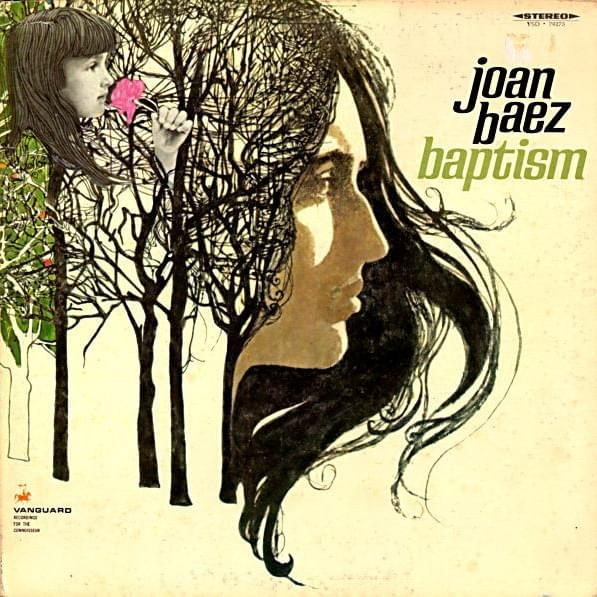
Joan Baez's rendition of "Of the Dark Past (Ecce Puer)" is a stark meditation on birth, death, and generational forgiveness, filtered through a lens of profound emotional ambivalence. The song, whose title translates to "Behold the Child," immediately juxtaposes the arrival of new life against the backdrop of what has come before, the "dark past" that inevitably shapes the newborn's future. Baez doesn't shy away from the inherent conflict of this cycle, admitting, "With joy and grief, my heart is torn," a sentiment that acknowledges the simultaneous wonder and anxiety that accompany new beginnings. This isn't simply a celebration of innocence; it's a recognition of the complex legacy each generation inherits.
The imagery throughout "Of the Dark Past" reinforces this tension. The child lies "calm in his cradle," a symbol of potential and vulnerability, while the plea for "love and mercy" to "unclose his eyes" suggests a desire to shield him from the harsh realities of the world. Yet, there's also an acknowledgment that the "world that was not" is now coming into being, implying that the child's existence irrevocably alters the existing order. Baez seems to be grappling with the responsibility of bringing new life into a world burdened by history, a world that demands both protection and preparation.
Ultimately, the song circles back to themes of forgiveness and reconciliation. The lines "A child is sleeping, an old man gone / O, father forsaken, forgive your son!" introduce a layer of intergenerational pain and the possibility of healing. It's a poignant reminder that each new life emerges from a lineage marked by both love and loss, and that forgiveness is essential to breaking cycles of hurt. "Of the Dark Past" becomes a prayer, not just for the child's future, but for the redemption of the past, suggesting that only through understanding and forgiveness can we truly embrace the promise of new beginnings.
 View Artist