Song Meaning
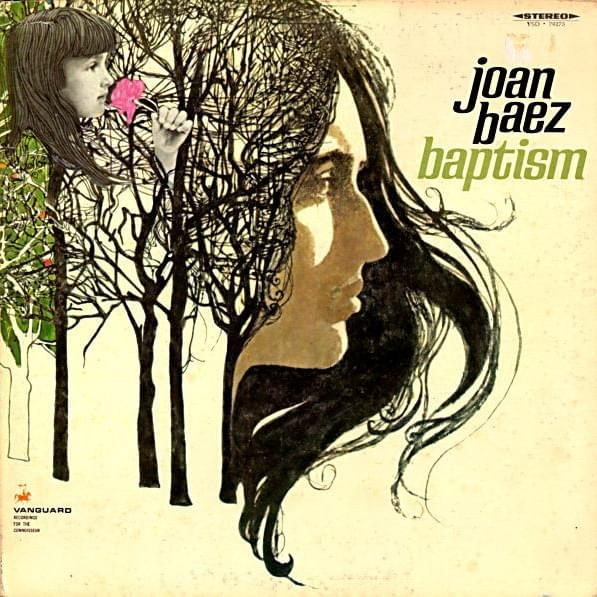
{"song_id": 14485174, "meaning": "Joan Baez's \"Oh, Little Child\" operates with the deceptive simplicity of a folk hymn, yet its impact resonates with the force of a primal scream against violence. The song's meaning unfurls through stark imagery, contrasting the innocent, almost careless act of a child with the brutal finality of man's aggression. The opening lines present a child plucking a flower, an action so commonplace it barely registers. But Baez immediately subverts this pastoral scene, revealing the \"iron ground\" stained with the flower's metaphorical blood. This isn't just about deflowering nature; it's a chilling premonition of innocence confronted by a world hardened by conflict. The \"passionless, low sobbing sound\" the child might hear is the earth itself mourning the loss of its vital forces. The initial verse serves as an allegory for the larger theme of the song. The child is a symbol for all that is gentle and vulnerable, while the flower represents the fragile beauty constantly threatened by the harsh realities of existence.
The second verse shifts focus to the adult male, directly implicated in acts of violence. Baez implores him to \"put up your sword and see / The brother that you did to death.\" The language is biblical in its weight, echoing the story of Cain and Abel and underscoring the universality of fratricide. What's most unsettling, however, is the absence of expected retribution. There are \"no curses\" in the slain brother's breath, only a chilling void. This lack of vengeful spirit isn't presented as forgiveness, but perhaps as a more damning indictment of violence's ultimate futility. The absence of hatred in the victim's eye suggests a profound weariness, a resignation to the cyclical nature of aggression.
\"Oh, Little Child\" functions as both a lament and a warning. Baez isn't just decrying the horrors of war; she's exploring the psychological toll it takes on both the perpetrator and the victim. The song meaning resides in its stark juxtaposition of innocence and experience, of the potential for beauty and the inevitability of destruction. The child, initially a symbol of naive action, becomes a witness to the consequences of adult choices. The absence of overt condemnation allows the song to work on a deeper, more unsettling level, leaving the listener to grapple with the uncomfortable truth of humanity's capacity for both creation and annihilation. The lyrics analysis reveals a sophisticated understanding of the psychological dimensions of violence and its lasting impact on the human spirit."}
 View Artist