Song Meaning
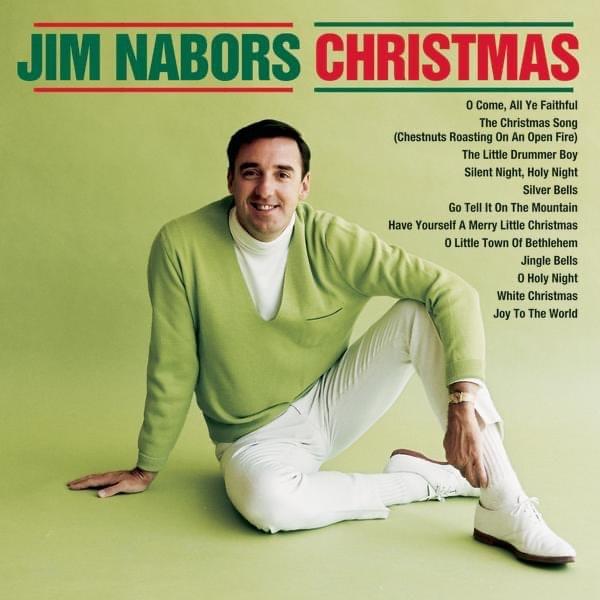
Jim Nabors' rendition of "O Holy Night" isn't merely a Christmas carol; it's a carefully calibrated emotional experience. The opening lines, saturated with celestial imagery, immediately plunge the listener into a state of awe and reverence. But beyond the surface-level religious narrative, the song's enduring power lies in its exploration of hope and redemption. Nabors, with his uniquely affecting vocal delivery, amplifies the core message: the birth of Christ as a catalyst for societal and personal transformation. The lyrics touch upon a world mired in "sin and error," subtly acknowledging the inherent human condition of suffering and moral fallibility.
The second verse pivots from passive observation to active participation. The lyrics shift from describing the event of Christ's birth to outlining the ethical implications of his teachings. "Truly He taught us to love one another" isn't just a platitude; it's a call to dismantle systemic oppression. The lines about breaking chains and ending oppression resonate deeply, particularly in light of historical and contemporary struggles for social justice. Nabors' interpretation infuses these lines with a particular weight, suggesting a yearning for a world where the ideals of love and peace are not just aspirations but lived realities.
Ultimately, the song's meaning crystallizes around the idea of collective liberation. It's not simply about individual salvation but a sweeping overhaul of societal structures, guided by principles of empathy and compassion. The repeated proclamation of Christ's power and glory serves not as a demand for blind faith, but as an affirmation of the transformative potential inherent in these principles. "O Holy Night," as performed by Jim Nabors, becomes a powerful and enduring anthem for hope, social justice, and the enduring human quest for a more enlightened world.
 View Artist