Song Meaning
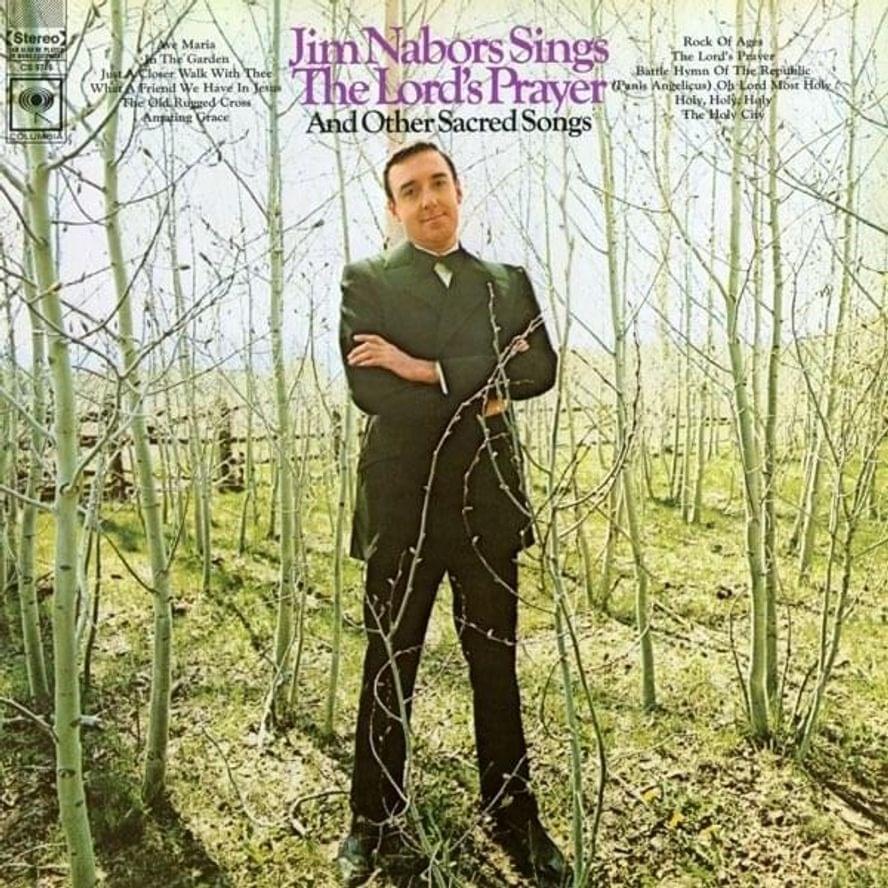
Jim Nabors' rendition of "The Lord's Prayer" is more than just a song; it's a sonic embodiment of faith itself. Stripped of elaborate instrumentation, Nabors' baritone becomes the focal point, delivering the ancient text with sincerity. The familiar verses—"Our Father, who art in heaven, hallowed be thy name"—are not merely sung but presented as a heartfelt conversation, a direct line to the divine. The song's power resides in its simplicity, offering solace and connection.
The psychological resonance of "The Lord's Prayer" lies in its structure. It begins with reverence and submission ("Thy kingdom come, thy will be done"), then moves to a plea for basic needs ("Give us this day our daily bread"), and culminates in a request for forgiveness and protection ("lead us not into temptation, but deliver us from evil"). This progression mirrors the human experience of acknowledging a higher power, seeking sustenance, and striving for moral purity. Nabors' performance amplifies this emotional journey, making it palpable for the listener.
Ultimately, the song meaning of "The Lord's Prayer," as interpreted by Jim Nabors, is a testament to the enduring power of belief. It serves as a reminder of the foundational values of compassion, humility, and hope. In a world often characterized by chaos and uncertainty, Nabors' rendition offers a moment of peace and reflection, inviting listeners to reconnect with their spiritual selves. The final "Amen!" is not just an ending but an affirmation, a declaration of faith that resonates long after the music fades.
 View Artist