Song Meaning
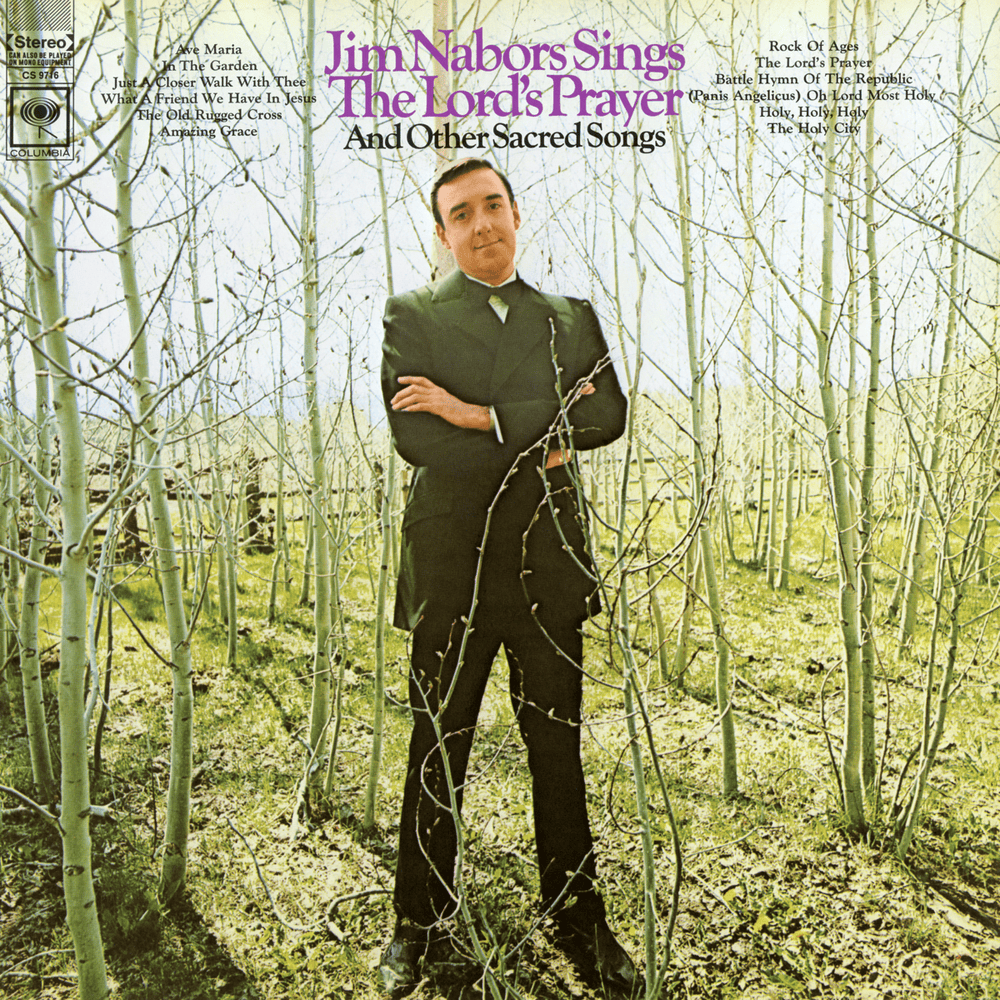
Jim Nabors' rendition of "The Holy City" isn't just a song; it's a carefully constructed auditory pilgrimage. The lyrics, steeped in religious imagery, paint a vivid picture of both earthly and heavenly Jerusalem. The opening verse, a dreamlike sequence, immediately establishes a sense of longing and spiritual yearning. The listener is transported to "old Jerusalem," a place of historical and religious significance, where the voices of children blend seamlessly with angelic choirs. This isn't simply about religious dogma; it's about the human desire for connection with something larger than oneself, a sentiment amplified by Nabors' powerful vocal delivery. The repetition of "Methought the voice of angels" underscores the immersive, almost hallucinatory quality of the vision. It's a sonic representation of faith as an intensely personal and deeply felt experience.
The shift in the second verse introduces a "new earth," a transformed reality that transcends the limitations of the physical world. The "tideless sea" and the absence of the need for sun, moon, or stars signify a state of eternal peace and divine illumination. This "new Jerusalem" represents an idealized vision of inclusivity and grace, where "all who would might enter, and no one was denied." The song's meaning resides not just in the literal interpretation of religious doctrine but in the universal human longing for belonging, acceptance, and a world free from suffering. It's a powerful promise of redemption and eternal life, skillfully conveyed through simple yet evocative language.
The chorus, with its repeated calls of "Jerusalem, Jerusalem," serves as both an invitation and a proclamation. The use of "Hosanna in the highest" reinforces the themes of praise and adoration, directing the listener's attention towards the divine. As the song progresses, the initial plea to "lift up your gates and sing" transforms into a triumphant declaration: "Sing for the night is o'er." This suggests a transition from a state of darkness and uncertainty to one of enlightenment and hope. Ultimately, "The Holy City," particularly in Jim Nabors' interpretation, speaks to the enduring power of faith as a source of comfort, inspiration, and the promise of a better world. The song’s enduring appeal lies in its ability to tap into the deep-seated human desire for transcendence and a connection to something sacred.
 View Artist