Song Meaning
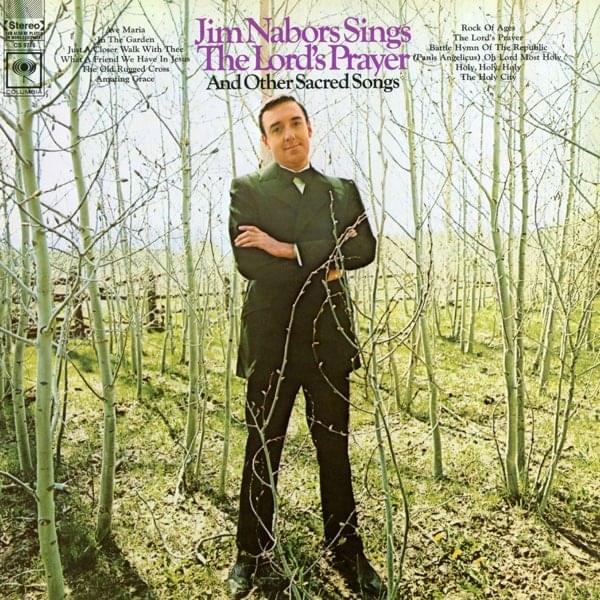
Jim Nabors' rendition of "Rock of Ages" isn't just a hymn; it's a visceral plea for refuge, a stark acknowledgement of human frailty against the backdrop of divine immutability. The lyrics, steeped in religious imagery, function as a confession and a supplication. The opening lines, "Rock of ages cleft for me let me hide myself in Thee," immediately establish the central metaphor: God as an unyielding, protective force, a sanctuary carved out of eternity itself. This isn't a gentle request; it's a desperate scramble for cover. The subsequent mention of "water and the blood from Thy wounded side" directly references Christ's crucifixion, framing it as the ultimate act of sacrifice, the source of purification and redemption. Nabors' delivery, imbued with a profound sense of reverence, amplifies the inherent drama of the lyrics. He's not merely singing; he's bearing witness.
The core of the song meaning lies in its exploration of human inadequacy. The lines "In my hand no prize I bring simply to Thy cross I cling" underscore the idea that salvation isn't earned through personal merit or achievement. Instead, it's found in utter dependence on divine grace. This relinquishing of control, this admission of helplessness, is a recurring theme throughout the hymn. The singer acknowledges their inability to overcome sin and seeks solace in the promise of forgiveness. The "double cure" alluded to in the lyrics suggests a desire to be cleansed from both the penalty and the power of sin, a complete transformation offered through faith. The repetition of "Let me hide myself in Thee" serves as a constant reminder of the singer's vulnerability and the unwavering need for divine protection.
Ultimately, "Rock of Ages" confronts mortality head-on. The lyrics acknowledge the inevitable approach of death ("While I draw this pleading breath when my eyes shall close in death") and express a hope for eternal life. The image of rising to an "unknown world" and beholding God on His throne is both awe-inspiring and intensely personal. It speaks to a yearning for transcendence, a desire to escape the limitations of earthly existence and find lasting peace in the presence of the divine. Nabors' interpretation elevates this hymn beyond a simple expression of faith; it becomes a powerful meditation on the human condition, a reminder of our shared vulnerability and the enduring search for meaning and redemption.
 View Artist