Song Meaning
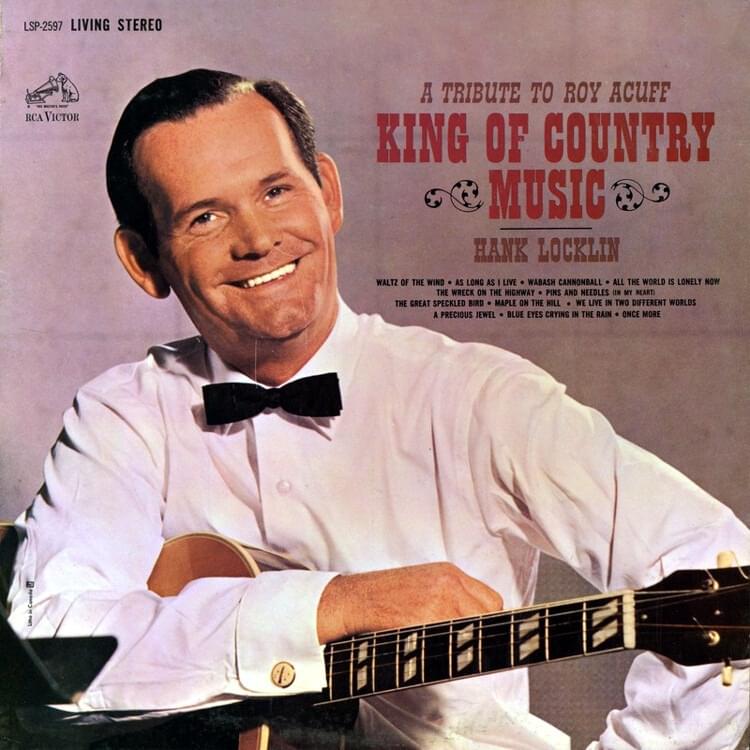
Hank Locklin's "Waltz of the Wind" is less a narrative and more a sustained mood, a sonic snapshot of nascent love. The song's simplicity is its strength; the lyrics paint a scene of romantic idealism so complete it almost feels unreal. The 'waltz of the wind' functions as both literal backdrop—the rustling of trees—and metaphor for the intoxicating swirl of new romance, that feeling of being swept off your feet by forces both natural and emotional. It's a deliberate invocation of a pastoral fantasy, the kind where moonlight enhances beauty and stars conspire to make the night eternal. Locklin isn't just singing about a dance; he's capturing a moment of perfect, perhaps naive, belief in forever.
The psychological hook here lies in the yearning for permanence. The repetition of 'waltz of the wind' underscores the cyclical, almost obsessive nature of romantic longing. The narrator isn't simply recalling a pleasant evening; he's actively recreating it in his mind, clinging to the memory as a bulwark against the inevitable uncertainties of the future. The mention of dreaming until tomorrow suggests a fragile hope, a desire to prolong the enchantment. There's a subtle undercurrent of vulnerability; the narrator seems acutely aware of the potential for this idyllic vision to shatter.
Ultimately, the song's power resides in its ability to tap into the universal desire for an idealized past, a moment of pure connection unsullied by the complexities of reality. "Waltz of the Wind" isn't just a love song; it's an exploration of how we construct and cling to romantic fantasies, using them as both comfort and a yardstick against which to measure future experiences. It's a reminder that sometimes, the most potent love stories are the ones we tell ourselves.
 View Artist