Song Meaning
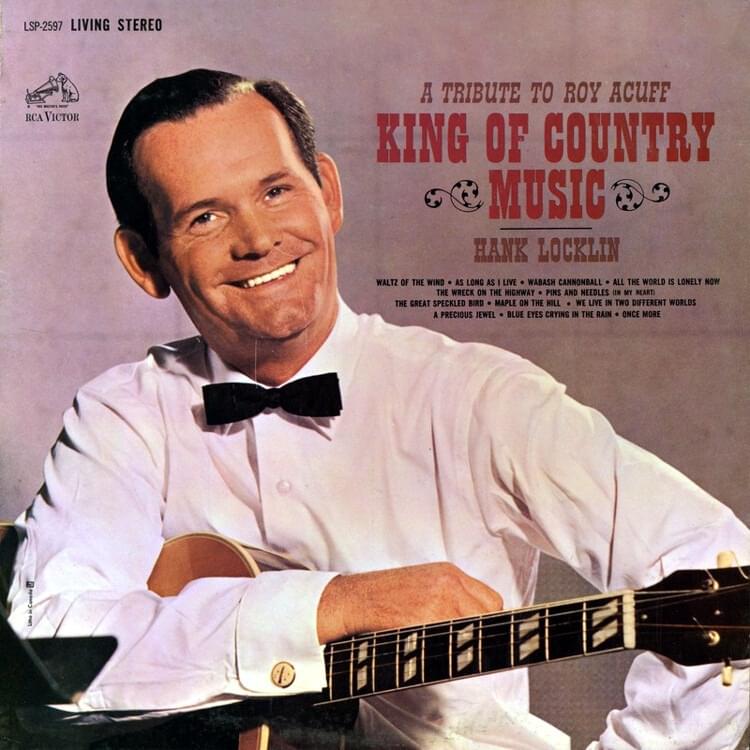
Hank Locklin's "As Long As I Live" isn't just a country ballad; it's an exploration of enduring grief and the stubborn refusal to let go of a love lost. The song's lyrical simplicity belies a complex emotional landscape, one where memory functions as both solace and torment. Locklin doesn't present a picture of romantic pining as much as a stark acknowledgment of a void that can never be filled. The opening promise, "I'll love you dear as long as I live," immediately establishes a sense of unwavering commitment, but it's a commitment tinged with the bitterness of a past parting. The line, "It was easy said that night we parted that we'd forget we had ever met," highlights the performative aspect of heartbreak – the things we say in the heat of the moment, often defying the deeper truth of our feelings. Locklin implicitly questions the possibility of truly erasing a significant connection, suggesting that some loves leave an indelible mark.
The heart of the song meaning lies in its portrayal of memory as an active, almost defiant force. Locklin sings, "I haven't forgotten, I wonder if you have or if your heart's too full of regret," revealing a preoccupation with the other person's emotional state. This isn't just about his own suffering; it's about the shared history and the potential for mutual pain. The repetition of "As long as I live" underscores the obsessive nature of his love, transforming it into a kind of self-imposed sentence. Time becomes irrelevant; whether it's "one hour or one hundred years," the memory of this love will persist, shaping his perception of reality.
Ultimately, "As Long As I Live" speaks to the isolating nature of profound loss. The admission, "I never thought that night we parted that life alone could be so bad," is a raw and vulnerable moment, stripping away any pretense of strength or acceptance. The line "I'll never forget you the only joy that I've ever had" is particularly poignant; it suggests that this relationship wasn't just a source of happiness, but the *only* one, framing the present as a joyless existence defined by its absence. The song's enduring power rests in its honest depiction of love's lasting impact, a testament to the fact that some emotional wounds never fully heal, and that memory, while bittersweet, can be the only connection to a past that continues to define the present.
 View Artist