Song Meaning
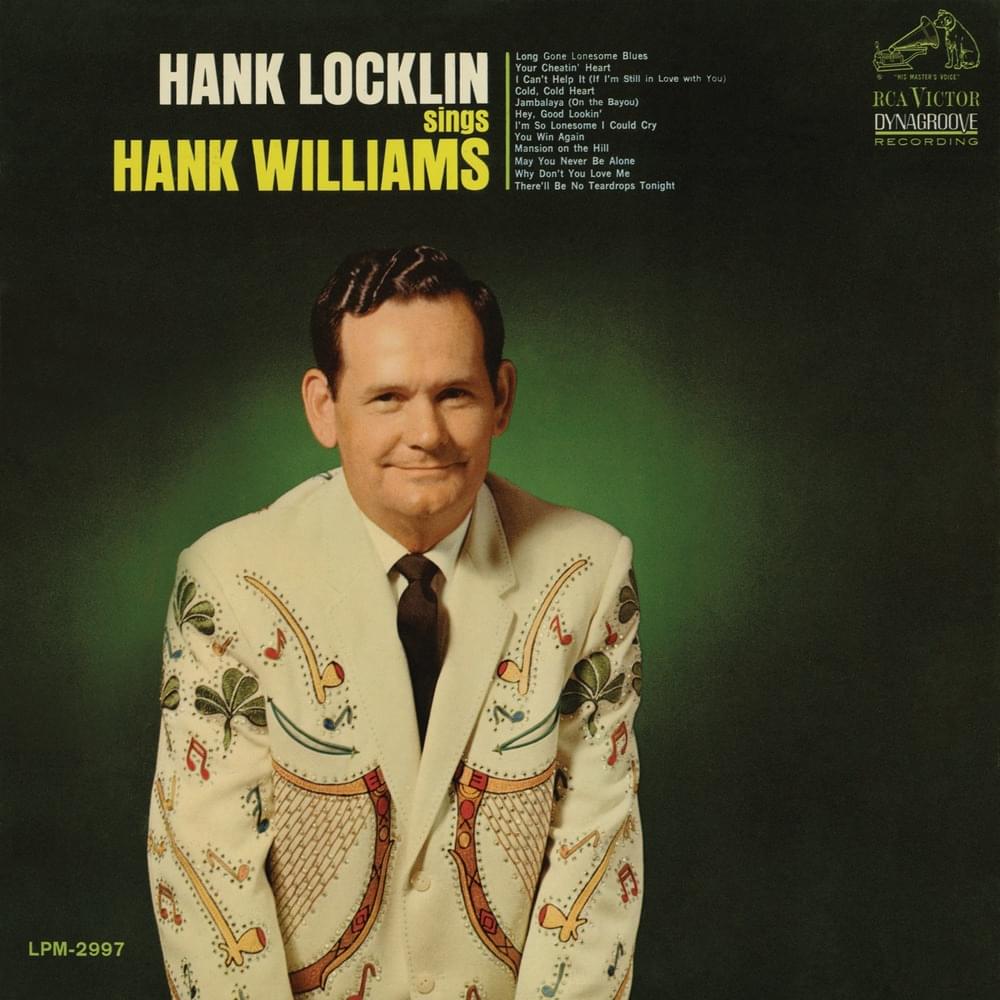
Hank Locklin's rendition of "I'm So Lonesome I Could Cry" isn't just a country ballad; it's a masterclass in sonic desolation. The song's profound sense of isolation transcends simple heartbreak, tapping into a primal human fear of abandonment. Locklin doesn't just sing about loneliness; he embodies it, becoming a vessel for the listener's own buried anxieties. The genius lies in the simplicity of the language, painting vivid yet universally relatable images of despair. The whippoorwill's mournful cry, the train's lonely whistle, and even the moon's withdrawal into the clouds become reflections of the singer's inner turmoil. These aren't just poetic devices; they're psychological projections of a soul stripped bare. Locklin makes us feel the weight of each passing second, the agonizing crawl of time when separated from a loved one. His interpretation amplifies the original by imbuing it with a vulnerability that's both captivating and deeply unsettling.
The brilliance of "I'm So Lonesome I Could Cry" rests in its subtle exploration of existential dread. The falling star, a fleeting moment of beauty in a vast, indifferent universe, underscores the singer's insignificance. He wonders where his lost love is, but the question feels less like a plea for reunion and more like a desperate attempt to find meaning in a world suddenly devoid of it. The purple sky, traditionally associated with royalty and grandeur, is tainted by the pervasive loneliness, suggesting that even the most beautiful things are rendered meaningless in the absence of connection. Locklin doesn't offer solutions or platitudes; he simply presents the raw, unfiltered emotion of being utterly alone, inviting the listener to confront their own vulnerabilities.
Ultimately, the song's enduring power comes from its unflinching honesty. Locklin doesn't shy away from the depths of despair, but rather embraces it, creating a space for listeners to acknowledge their own feelings of isolation. It's a testament to the human condition, a reminder that even in our darkest moments, we are not truly alone in our suffering. The song meaning transcends the personal; it becomes a meditation on the universal experience of longing and the search for connection in an often-indifferent world. The lyrics analysis reveals a carefully constructed landscape of sorrow, where every image and sound contributes to the overwhelming sense of loss. Locklin's interpretation elevates the song to an anthem of loneliness, resonating with anyone who has ever felt the crushing weight of solitude.
 View Artist