Song Meaning
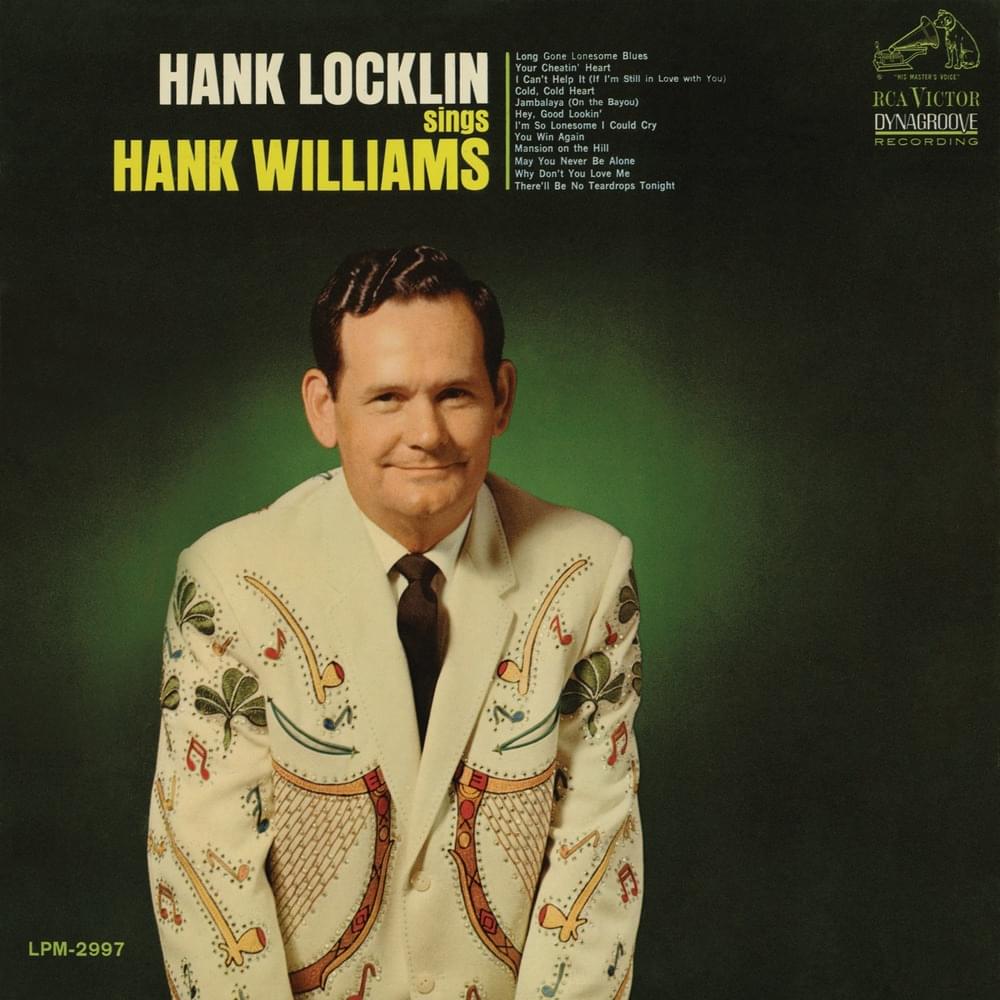
Hank Locklin's "You Win Again" is a masterclass in country heartbreak, a slow burn of realization and resignation that simmers with quiet devastation. It's not a raging inferno of betrayed passion, but the dying embers of a love affair poisoned by infidelity. The song meaning hinges on the protagonist's agonizing awareness of his lover's repeated betrayals, a pattern so ingrained it's become almost predictable. The opening lines, "The news is out all over town / That you've been seen a-runnin' 'round," are delivered with weary acceptance, suggesting this isn't an isolated incident but a well-worn path for the woman in question. He knows he should leave, that self-preservation demands it, yet he's trapped in a cycle of forgiveness and renewed hope, only to be repeatedly disappointed. This push-pull dynamic reveals a deep-seated vulnerability, a desperate clinging to a love that's clearly destructive.
The true brilliance of "You Win Again" lies in its exploration of the psychological dimensions of infidelity. It's not just about the act of betrayal, but the insidious erosion of trust and self-worth. The lyrics, "This heart of mine could never see / What everybody knew but me / Just trusting you was my great sin," highlight the protagonist's naivete, his unwillingness to acknowledge the obvious red flags. He internalizes the blame, viewing his trust as a flaw rather than recognizing his lover's manipulative behavior. This self-blame is a common defense mechanism, a way to maintain the illusion of control in a situation where he's utterly powerless.
But the song transcends mere self-pity. There's a chilling awareness in the third verse, a premonition of the pain awaiting the next unsuspecting victim. "I'm sorry for your victim now / 'Cause soon his head like mine will bow / He'll give his heart but all in vain / And someday say you win again." This recognition elevates the song beyond a personal lament to a cautionary tale, a bleak commentary on the cyclical nature of abuse and the seductive power of toxic relationships. The final verse, with its contradictory admission of love despite the repeated betrayals, seals the protagonist's fate. He's not just a victim, but an enabler, complicit in his own suffering. The line, "You have no heart, you have no shame," is not an accusation, but a statement of fact, a final, resigned acknowledgment of the impossible situation he finds himself in. Ultimately, “You Win Again” is a bleak, but insightful exploration of love, loss, and the dark corners of the human heart.
 View Artist