Song Meaning
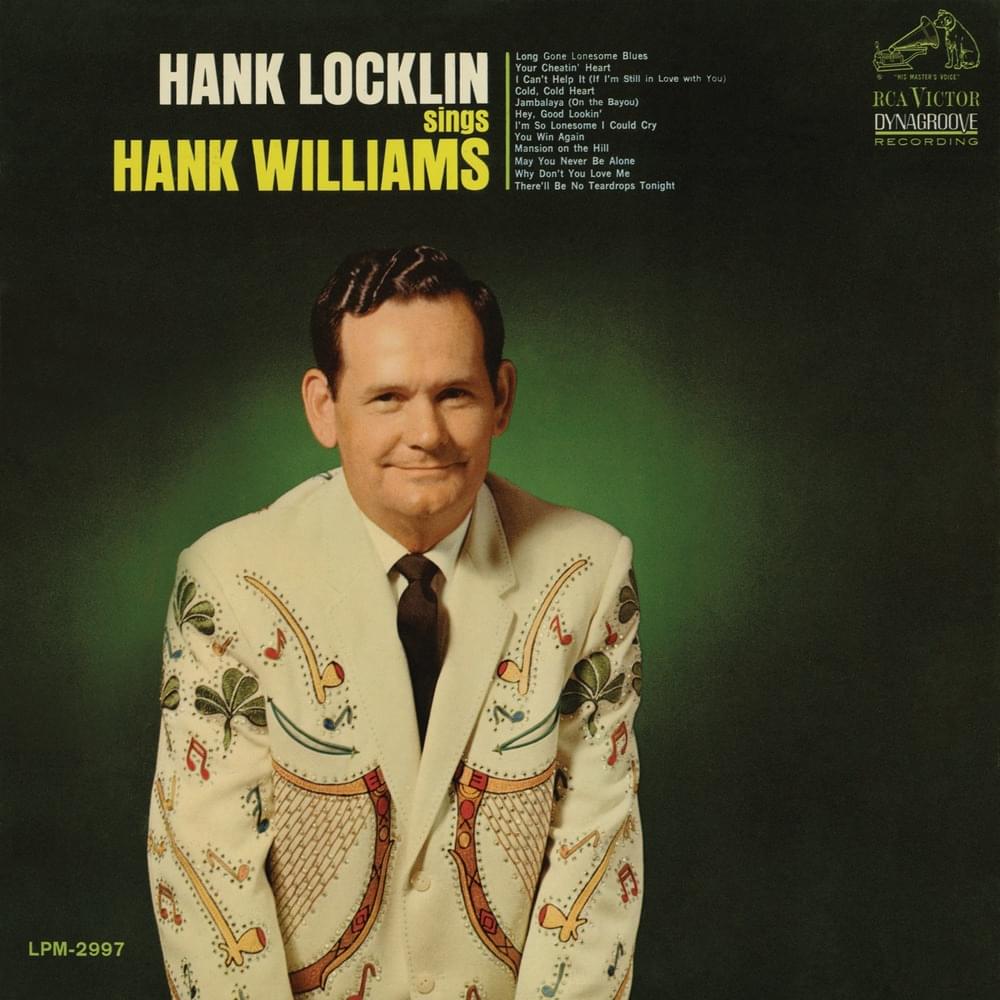
Hank Locklin's "There'll Be No Teardrops Tonight" isn't just a country lament; it's a masterclass in denial, a psychological study wrapped in a three-minute ballad. The core of the song meaning revolves around a man grappling with the impending wedding of his beloved to another. But instead of raw grief, we're presented with a fortress of forced stoicism. The repeated refrain, "there'll be no teardrops tonight," becomes less a statement of strength and more a desperate mantra against the tidal wave of heartbreak threatening to engulf him. The lyrics are steeped in the language of pretense. He vows to "pretend I'm free from sorrow" and "make believe that wrong is right." This isn't acceptance; it's a carefully constructed facade, a performance for an audience of one: himself. He's bargaining with reality, attempting to rewrite the narrative in his own mind to avoid the crushing weight of rejection. This emotional repression, however, is subtly undermined by the undercurrent of bitterness and accusation that seeps through the cracks.
The questions posed in the lyrics – "Why, oh why should you desert me? Are you doin' this for spite?" – reveal the wounded ego beneath the surface. He’s not just heartbroken; he’s questioning her motives, hinting at a sense of betrayal and injustice. The line "If you only want to hurt me" exposes the depth of his pain and his suspicion that her actions are deliberately malicious. Even in his forced composure, there's a flicker of anger and resentment. He tries to convince himself that "you still love me / When you wear your veil of white," displaying a level of delusion that's both heartbreaking and unsettling. This isn't a man letting go; it's a man clinging to the last vestiges of hope, even in the face of overwhelming evidence to the contrary.
Ultimately, "There'll Be No Teardrops Tonight" is a poignant exploration of the human capacity for self-deception in the face of profound emotional pain. The song's power lies not in its overt display of sorrow, but in its subtle portrayal of a man desperately trying to maintain control, even as his world crumbles around him. The forced denial, the accusatory questions, and the clinging to false hope all paint a portrait of a man teetering on the edge, his stoicism a fragile mask barely concealing the devastation beneath. The layers of irony make it a work of dark art; the listener knows the teardrops are inevitable, even if the singer refuses to acknowledge them.
 View Artist