Song Meaning
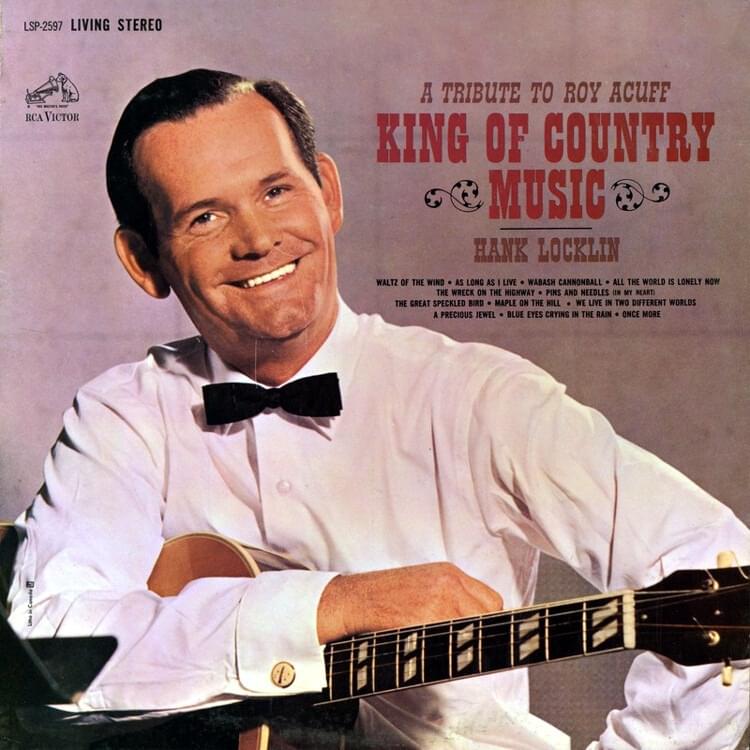
Hank Locklin's "Blue Eyes Crying In The Rain" is more than just a country weeper; it's a masterclass in distilled sorrow. The song's power lies not in complex storytelling, but in its stark simplicity. Locklin paints a picture of love lost, framed by the recurring image of those titular blue eyes, perpetually weeping. The rain becomes a metaphor for unending grief, a constant downpour mirroring the singer's internal state. It's a lament, a sigh carried on the wind, echoing the ache of a farewell that reverberates through a lifetime. The twilight glow isn't just a setting; it's the fading light of a relationship, the dimming embers of a love affair reduced to memory.
The passage of time only deepens the wound. The singer's hair turns silver, a visible marker of years spent in vain longing. Yet, the image of the woman with blue eyes crying remains vivid, almost spectral. It evolves from a memory to an almost mythical presence, her "star in heaven" a testament to her enduring impact. The lyrics suggest a spiritual dimension, hinting at a reunion in the afterlife, a place "that knows no parting." This longing for reunion is not just romantic; it's a yearning for wholeness, a desire to mend the fractured self left behind by the original separation.
Ultimately, the song's meaning resides in its exploration of enduring loss and the hope for eventual reconciliation. "Blue Eyes Crying In The Rain" taps into a universal human experience: the pain of separation and the longing for reunion. It's a testament to the power of memory, the enduring nature of love, and the hope that even in the face of ultimate loss, something beautiful and eternal remains. The blue eyes, forever crying, become a symbol of both the pain of absence and the enduring power of love.
 View Artist